For many people starting a backyard chicken flock, one of the most common questions is whether they should keep a cockerel. While hens are usually kept for egg production, cockerels serve different roles within a flock and can influence flock behaviour in several ways.
Although some poultry keepers enjoy keeping cockerels, they are not essential for most backyard flocks. Understanding what cockerels do, how they behave, and the advantages and challenges of keeping one can help you decide whether a cockerel is right for your flock.
This guide explains the role of a cockerel, how they interact with hens, and the factors to consider before adding one to your flock.
What Is a Cockerel?
A cockerel is a male chicken under one year of age. Once a male chicken reaches maturity, usually around one year old, he is referred to as a rooster.
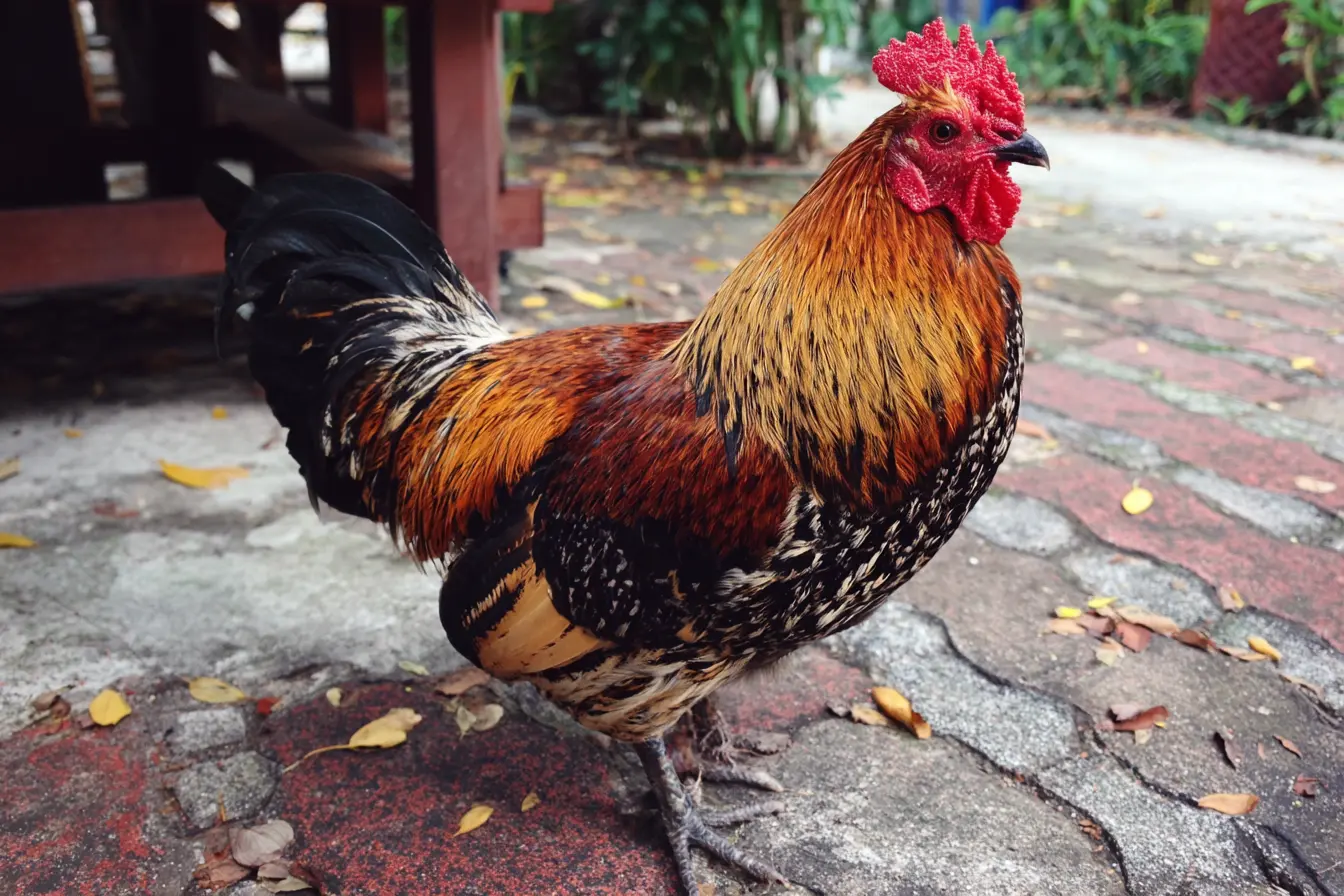
Cockerels are easily recognisable by their physical features, which include:
Larger comb and wattles
Long curved tail feathers
Pointed saddle feathers
Crowing behaviour
Male chickens also tend to be larger and more upright in posture than hens.
What Role Does a Cockerel Play in a Flock?
In natural flock settings, a cockerel serves several important roles. Although hens can live perfectly well without a male present, a cockerel can influence the flock's social structure and behaviour.
Flock Protector
One of the most well-known roles of a cockerel is acting as a lookout for potential threats.
Cockerels often:
Watch for predators
Sound alarm calls when danger approaches
Guide hens toward shelter
While a cockerel cannot physically defend the flock from many predators, his alert behaviour can give hens time to escape.
Maintaining Flock Order
Cockerels can help stabilise the flock hierarchy. In some cases, the presence of a calm cockerel reduces aggression between hens.
The cockerel may:
Intervene in hen disputes
Establish clear social order
Guide flock behaviour during feeding or foraging
However, this depends heavily on the individual bird’s temperament.
Mating and Fertile Eggs
A cockerel’s primary biological role is reproduction.
If a cockerel is present, he will mate with hens, resulting in fertilised eggs. These eggs can develop into chicks if incubated by a broody hen or in an incubator.
Without a cockerel, hens still lay eggs, but the eggs will not be fertilised and cannot hatch.
Finding Food
Some cockerels display a behaviour known as "tidbitting". When they find food, they call hens over with a specific sound while picking up and dropping the food repeatedly.
This behaviour encourages hens to eat first and helps maintain social bonds within the flock.
Benefits of Keeping a Cockerel
There are several potential advantages to keeping a cockerel in your flock.
Natural Flock Behaviour
A cockerel allows the flock to function more naturally. Hens may feel more secure when a male is present to watch for danger and guide group behaviour.
Fertilised Eggs
If you want to hatch chicks, a cockerel is essential. Fertilised eggs allow you to grow your flock naturally.
Flock Leadership
Some cockerels act as calm leaders, helping organise the flock and keeping hens together while free-ranging.
Entertainment and Personality
Many poultry keepers enjoy the personality of a good cockerel. They can be striking birds with impressive plumage and confident behaviour.
Challenges of Keeping a Cockerel
Despite the benefits, cockerels can also create challenges for backyard poultry keepers.
Noise
Cockerels crow, often starting at dawn and sometimes throughout the day. Crowing can be very loud and may cause issues with neighbours, particularly in suburban areas.
Aggressive Behaviour
Some cockerels may become territorial or aggressive, especially during breeding season.
Aggressive behaviour may include:
Chasing people
Flapping wings
Pecking or spurring
Proper handling and management can sometimes reduce aggression, but temperament varies between individuals.
Over-Mating
If there are too few hens, a cockerel may mate excessively, which can cause feather damage or stress for hens.
A healthy ratio is typically:
1 cockerel for every 8–12 hens
This helps distribute mating behaviour more evenly.
Local Regulations
In some areas, keeping a cockerel may be restricted due to noise concerns. It is important to check local council regulations before adding one to your flock.
Situations Where a Cockerel May Not Be Suitable
For many backyard flocks, keeping only hens is the simplest option.
You may want to avoid keeping a cockerel if:
You live in a built-up residential area
Your neighbours may be disturbed by crowing
You only want eggs and not chicks
Your flock is very small
Hens will continue to lay eggs normally without a cockerel present.
Tips for Managing a Cockerel
If you decide to keep a cockerel, good management can help maintain harmony within the flock.
Helpful tips include:
Provide enough hens
Keeping the correct hen-to-cockerel ratio reduces stress on individual birds.
Handle birds calmly
Gentle, consistent interaction helps young cockerels learn appropriate behaviour.
Provide plenty of space
Adequate space allows hens to avoid the cockerel when necessary.
Monitor behaviour
Watch for signs of aggression or excessive mating and intervene if needed.
Signs of a Good Cockerel
A well-behaved cockerel can be a valuable member of the flock.
Positive traits include:
Alert but not overly aggressive
Protective without attacking people
Calls hens to food
Maintains order in the flock
Calm around humans
Temperament is influenced by both genetics and handling during early life.
Alternatives to Keeping a Cockerel
If you want chicks but cannot keep a cockerel, there are alternatives.
Options include:
Buying fertilised eggs for incubation
Purchasing day-old chicks
Adding young pullets to your flock
These options allow you to grow your flock without managing a male bird.
Conclusion
Cockerels play an important natural role in chicken flocks by protecting hens, maintaining social order, and producing fertilised eggs. In the right environment, a calm and well-managed cockerel can be a fascinating and valuable member of the flock.
However, cockerels are not necessary for egg production and may create challenges due to noise or aggressive behaviour. For many backyard poultry keepers, a flock of hens alone provides the simplest and most practical solution.
Deciding whether to keep a cockerel ultimately depends on your goals, your flock size, and your local environment. With the right conditions and careful management, keeping a cockerel can add an interesting and rewarding dynamic to a backyard flock.
Quick questions
- What should I know about cockerel?
- Learn about the roles, benefits, and challenges of keeping a cockerel in your backyard chicken flock. Understand how cockerels can influence flock behaviour, serve as protectors, and produce fertilised eggs. Vet Verified can help you compare UK veterinary practices by location, species, services and opening hours before you call.
- When should I contact a vet about cockerel?
- Contact a veterinary practice if your pet seems unwell, symptoms are getting worse, you are unsure what to do, or the situation may be urgent. Vet Verified helps you compare practice details, but a vet should advise on your pet's current care.
- Can Vet Verified help me find bird vets?
- Yes. Use Vet Verified to compare bird vets across the UK, then check practice profiles and call directly to confirm current availability.
Find a vet
Find a veterinary practice
Compare UK veterinary practices related to this topic. Call the practice to confirm its current services and availability.