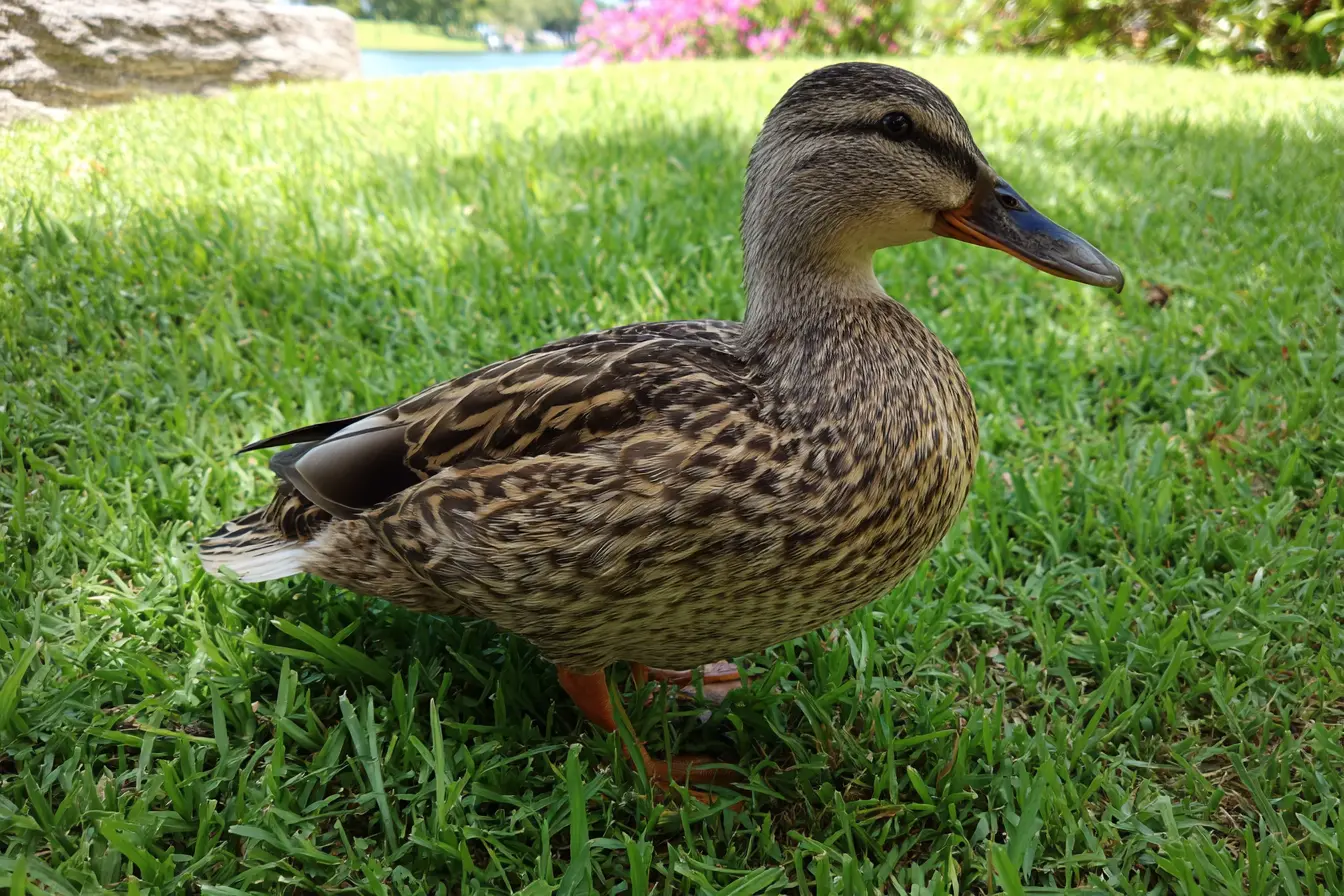
Vegetables are an excellent addition to a duck’s diet and play an important role in providing vitamins, minerals, hydration, and enrichment. Ducks naturally forage for plant matter in the wild, eating leaves, shoots, and aquatic vegetation. While vegetables should never replace a balanced commercial duck or waterfowl feed, they can form a healthy and enjoyable supplement when fed correctly.
This guide explains which vegetables are safe for ducks, how to prepare them, how often to feed them, and which vegetables should be avoided.
Should Ducks Eat Vegetables?
Yes. Ducks are omnivores and benefit greatly from vegetables in their diet. Vegetables help:
Support digestive health
Provide essential vitamins and minerals
Prevent boredom through natural foraging behaviour
Maintain healthy body weight
Vegetables are generally low in fat and sugar, making them suitable for more regular feeding than fruit. However, they should still be treated as a supplement rather than a replacement for nutritionally complete feed.
Safe Vegetables for Ducks
Leafy Greens
Leafy greens are among the best vegetables for ducks and closely resemble the plants they would eat naturally.
Safe leafy greens include:
Lettuce (not iceberg)
Kale
Spinach
Swiss chard
Rocket
Cabbage
Spring greens
These vegetables support digestion and provide important nutrients such as vitamins A and K.
Brassicas
Vegetables from the cabbage family are nutritious and well liked by ducks.
Safe brassicas include:
Broccoli
Cauliflower
Brussels sprouts
Cabbage leaves
Chop larger pieces into manageable sizes.
Root Vegetables
Root vegetables can be fed raw or cooked, provided they are prepared properly.
Safe root vegetables include:
Carrots (grated or finely chopped)
Parsnips
Turnips
Swede
Beetroot
Hard vegetables should be grated or chopped to prevent choking.
Squash and Marrow Vegetables
These vegetables are easy to digest and enjoyed by ducks.
Safe options include:
Courgette
Marrow
Pumpkin
Butternut squash
Seeds are generally safe, and cooked squash flesh is particularly popular.
Peas and Beans
Some legumes are safe and nutritious.
Safe options include:
Peas (fresh, frozen, or defrosted)
Green beans (chopped and preferably cooked)
Always cook dried beans, as raw or dried beans are toxic to ducks.
Sweetcorn
Sweetcorn is a favourite treat for ducks.
Can be fed fresh, frozen (defrosted), or cooked
Should be fed in moderation due to starch content
Sweetcorn is one of the best alternatives to bread for feeding ducks responsibly.
Vegetables Ducks Should Eat in Moderation
Some vegetables are safe but should not be fed in large quantities.
These include:
Spinach (high in oxalates, which may affect calcium absorption)
Sweetcorn (high in carbohydrates)
Cooked potatoes (plain, no seasoning)
Moderation helps prevent nutritional imbalances.
Vegetables Ducks Should Not Eat
Raw Potatoes and Green Potato Skins
Raw potatoes, potato leaves or stems and green skins contain solanine, which is toxic.
Onions and Garlic
Onions and garlic can cause digestive upset and damage red blood cells.
Mushrooms
Mushrooms can be toxic and should not be fed to ducks.
Aubergine Leaves and Stems
These contain solanine and should be avoided.
Mouldy or Spoiled Vegetables
Mould can produce toxins that are dangerous or fatal to ducks.
How to Prepare Vegetables for Ducks
Preparation Tips
Wash vegetables thoroughly to remove pesticides
Chop vegetables into bite-sized pieces
Grate hard vegetables
Avoid seasoning, salt, oil, or sauces
Vegetables can be fed raw or cooked as long as they are plain.
Feeding Methods
Scatter vegetables on grass or in shallow water
Mix vegetables into a bowl of waterfowl feed
Use shallow dishes or feeding trays
Feeding vegetables in water mimics natural foraging and reduces mess.
How Often Should Ducks Eat Vegetables?
Vegetables can be fed:
Daily or several times a week
In moderate portions
Alongside a balanced commercial feed
Vegetables should not make up more than around 20–30% of a duck’s total intake.
Can Ducklings Eat Vegetables?
Ducklings can eat vegetables once they are a little older.
Guidelines include:
Introduce vegetables after the first week
Finely chop or mash vegetables
Start with leafy greens or peas
Ensure starter feed remains the main diet
Avoid large pieces or hard vegetables for ducklings.
Do Vegetables Affect Duck Egg Laying?
When fed sensibly, vegetables support overall health and can contribute to good egg quality. However, too many vegetables can reduce egg production if ducks fill up on low-protein foods instead of nutritionally complete feed.
A balanced diet is essential for consistent laying.
Common Mistakes to Avoid
Feeding bread instead of vegetables
Offering vegetables without water nearby
Leaving vegetables to rot in housing or runs
Feeding toxic or mouldy vegetables
Summary: Vegetables and Ducks
Vegetables are a healthy and natural supplement
Leafy greens and brassicas are excellent choices
Always prepare vegetables properly
Avoid toxic vegetables completely
Keep vegetables as part of a balanced diet
Conclusion
Vegetables are a safe, nutritious, and enriching addition to a duck’s diet when chosen carefully and fed in moderation. By offering a variety of suitable vegetables alongside quality duck feed and plenty of clean water, you can support good health, natural behaviour, and long-term wellbeing in your ducks.
Quick questions
- What should I know about duck vegetables?
- Ducks benefit from vegetables in their diet, helping with digestion and providing vitamins. Safe vegetables include leafy greens like lettuce and kale, brassicas, root vegetables, squash, marrow, peas, beans, and sweetcorn. Vet Verified can help you compare UK veterinary practices by location, species, services and opening hours before you call.
- When should I contact a vet about duck vegetables?
- Contact a veterinary practice if your pet seems unwell, symptoms are getting worse, you are unsure what to do, or the situation may be urgent. Vet Verified helps you compare practice details, but a vet should advise on your pet's current care.
- Can Vet Verified help me find bird vets?
- Yes. Use Vet Verified to compare bird vets across the UK, then check practice profiles and call directly to confirm current availability.
Find a vet
Find a veterinary practice
Compare UK veterinary practices related to this topic. Call the practice to confirm its current services and availability.