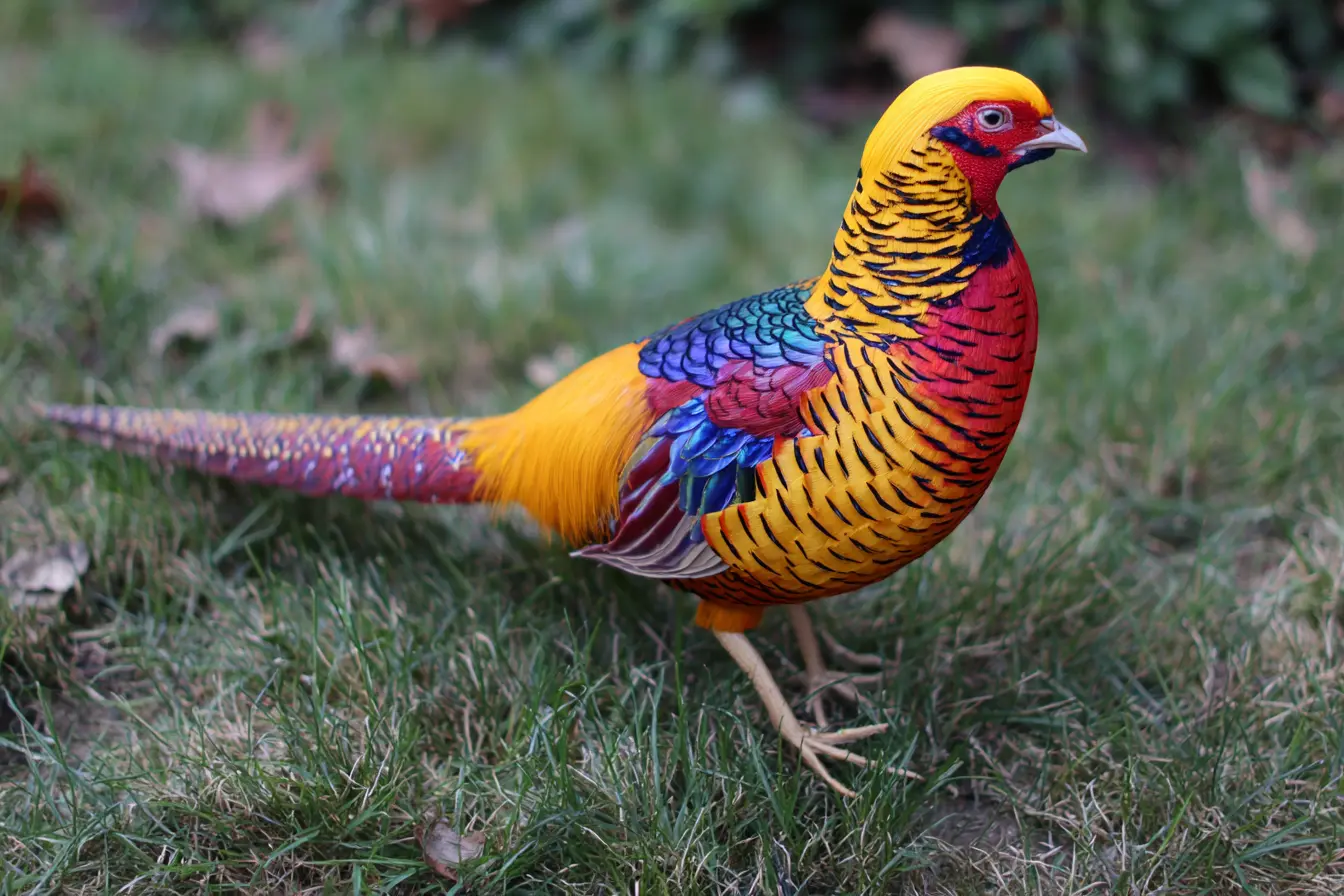
The Golden Pheasant is one of the most stunning and popular ornamental birds kept in the United Kingdom. Known for its vibrant colours, gentle temperament, and manageable care requirements, this species makes a perfect choice for enthusiasts interested in ornamental aviculture. Although they are not native to Britain, Golden Pheasants have adapted well to the UK climate and can even be seen living semi-wild in a few areas.
This detailed guide provides everything you need to know about keeping Golden Pheasants, from housing and feeding to breeding, health, and legal considerations.
Understanding the Golden Pheasant
The Golden Pheasant (Chrysolophus pictus) is a small, ground-dwelling bird native to the mountainous forests of western and central China. It has been kept in captivity for centuries and is prized for its spectacular plumage, which makes it one of the most admired ornamental game birds in the world.
Key Characteristics
Size: Around 90–105 cm in length (males have long tails)
Weight: Approximately 600–700 grams
Lifespan: 10–15 years in captivity
Temperament: Docile, calm, and easily managed
Diet: Grains, greens, and insects
Habitat in the wild: Dense forests and scrubland
The male Golden Pheasant is renowned for its dazzling plumage — a golden crest, bright red body, metallic green back, and golden cape that fans around the neck. The female, by contrast, is brown and mottled for camouflage, but still elegant and attractive in her own right.
Legal Considerations
Keeping Golden Pheasants in the UK does not require a special licence, as they are not classified as a protected or game species under British law. However, owners must still comply with the Animal Welfare Act 2006, which ensures that all kept animals have:
A suitable environment.
A suitable diet.
The ability to exhibit natural behaviour.
Appropriate housing and companionship.
Protection from pain, suffering, and disease.
If you breed or sell birds commercially, you may need to register with the Animal and Plant Health Agency (APHA) and comply with relevant biosecurity and animal movement regulations.
Choosing and Acquiring Birds
Golden Pheasants are widely available from reputable breeders and ornamental bird suppliers across the UK. Always buy from a trusted source to ensure healthy stock and avoid supporting illegal trade or poor welfare practices.
When selecting birds:
Look for bright, alert eyes and smooth, glossy feathers.
Avoid birds with drooping wings, dull plumage, or signs of discharge from the eyes or nostrils.
Ask for information about age, health history, and diet.
Young birds (known as poults) adapt quickly to new environments, but adult pairs are also easy to settle if introduced carefully.
Housing and Enclosures
Golden Pheasants are hardy and can live outdoors all year in most parts of the UK, provided they have shelter from wind and rain. They are happiest in aviaries or large pens that allow space to roam, forage, and perch.
Aviary Design
Minimum size: 4 metres long by 2 metres wide and 2 metres high for a pair.
Structure: Sturdy wooden or metal frame with welded mesh (maximum 25 mm gaps).
Roofing: Half covered with corrugated plastic or sheet roofing to provide shelter.
Flooring: Natural soil or grass, allowing birds to scratch and dust bathe.
Perches: Wooden branches at various heights for roosting.
Vegetation: Add shrubs, grasses, or bamboo to provide cover and visual interest.
Golden Pheasants can fly short distances, so a fully enclosed aviary or netted roof is essential to prevent escape. They also appreciate shaded areas in summer and dry, draught-free shelters in winter.
Location and Environment
Position the aviary in a quiet, sheltered part of the garden.
Avoid direct exposure to strong winds or continuous sun.
Ensure the ground drains well and does not become muddy or waterlogged.
A clean, well-ventilated enclosure with natural light will promote healthy plumage and active behaviour.
Feeding and Nutrition
Golden Pheasants are omnivorous and thrive on a varied diet. A balanced combination of quality feed and natural foraging opportunities will keep them in excellent condition.
Daily Diet
Base feed: Game bird or pheasant pellets (16–18% protein).
Grains: Wheat, maize, and barley.
Greens: Lettuce, cabbage, spinach, clover, and dandelion leaves.
Fruits and vegetables: Apple, carrot, or berries in small amounts.
Protein supplements: Mealworms, insects, or boiled egg, especially during breeding season.
Provide grit to aid digestion and fresh, clean water at all times. Shallow water dishes are best, as pheasants prefer to drink from low sources.
Feeding Tips
Feed once or twice daily at consistent times.
Scatter some grain on the ground to encourage natural foraging.
Avoid mouldy or spoiled feed.
Remove leftovers to prevent attracting rodents or pests.
During winter, increase the amount of energy-rich grain and reduce watery greens.
Breeding and Reproduction
Golden Pheasants are relatively easy to breed in captivity and can begin breeding at one year old. They are polygamous, meaning one male can be kept with several hens.
Breeding Conditions
Breeding season: March to July.
Ratio: One cock to two or three hens.
Nesting: Hens prefer ground nests with straw, leaves, or hay under shrubs or cover.
Egg production: 12–20 eggs per season, laid daily.
Incubation and Hatching
Hens may incubate their eggs naturally, but artificial incubation often gives higher success rates.
Temperature: 37.5°C
Humidity: 50–55% during incubation, rising to 65% for hatching
Turning: Three to four times daily until day 21
Incubation period: Approximately 23 days
Chicks should be moved to a warm brooder immediately after hatching.
Rearing Chicks
Brooder temperature: 35°C, reduced by 3°C each week.
Bedding: Dry wood shavings or straw.
Feed: High-protein game bird crumb (28–30% protein).
Water: Shallow drinkers to prevent drowning.
Chicks can move to outdoor pens at around six weeks when fully feathered.
Health and Welfare
Golden Pheasants are generally hardy, but like all birds, they are susceptible to certain diseases and parasites if conditions are poor.
Common Health Concerns
Coccidiosis: A parasitic gut infection; maintain hygiene and use medicated feed if needed.
Worms: Regular worming every 3–4 months for outdoor birds.
External parasites: Lice and mites can be controlled with dust baths and treatments.
Respiratory infections: Avoid damp conditions and ensure good ventilation.
Feather pecking: Can occur from overcrowding or boredom; provide enrichment and space.
Hygiene Practices
Clean aviaries regularly and replace bedding weekly.
Disinfect feeders and waterers frequently.
Avoid overcrowding.
Keep wild birds and rodents away from feed areas.
Healthy birds are alert, active, and have bright eyes and smooth plumage.
Behaviour and Temperament
Golden Pheasants are calm, gentle, and easy to manage. They rarely show aggression towards humans or other birds, although males can become territorial during the breeding season.
They spend much of the day scratching for food and dust bathing. While they are not particularly tame, they can become accustomed to human presence and may feed from the hand with patience and regular interaction.
Avoid mixing Golden Pheasants with other pheasant species in the same enclosure, as interbreeding or fighting can occur.
Winter Care
Golden Pheasants are hardy birds that tolerate frost and cold weather, but they dislike damp conditions.
Provide a dry, sheltered roost with straw bedding.
Ensure water does not freeze.
Feed extra grains and seeds for warmth and energy.
Protect from draughts and heavy snow using covered sections.
Even in winter, they benefit from access to fresh air and natural light, so avoid confining them indoors unless conditions are extreme.
Record Keeping and Management
Maintaining accurate records helps manage breeding and welfare effectively. Record details such as:
Breeding pairs and hatch dates.
Health treatments and worming schedules.
Feed consumption and egg production.
Any signs of illness or injury.
Good record keeping also supports responsible breeding and helps prevent inbreeding.
Conservation and Ornamental Value
Golden Pheasants are kept almost exclusively for ornamental and educational purposes in the UK. Their beauty and calm nature make them a favourite in aviaries, parks, and estates. While not endangered globally, captive breeding helps maintain genetic diversity and reduces pressure on wild populations.
They can also be valuable ambassadors for promoting interest in wildlife and conservation.
Conclusion
Keeping Golden Pheasants is a rewarding and enjoyable experience. These dazzling birds combine beauty, charm, and resilience, making them ideal for both beginners and experienced aviculturists.
With proper housing, balanced feeding, and attention to welfare, Golden Pheasants will thrive and bring colour and vitality to your aviary for many years. By keeping them responsibly, you’ll also be contributing to the preservation of one of the world’s most admired ornamental birds.
Quick questions
- What should I know about golden pheasants?
- Golden Pheasants, known for their vibrant colours and gentle nature, are popular ornamental birds in the UK. Originally from China, they adapt well to the British climate. Vet Verified can help you compare UK veterinary practices by location, species, services and opening hours before you call.
- When should I contact a vet about golden pheasants?
- Contact a veterinary practice if your pet seems unwell, symptoms are getting worse, you are unsure what to do, or the situation may be urgent. Vet Verified helps you compare practice details, but a vet should advise on your pet's current care.
- Can Vet Verified help me find bird vets?
- Yes. Use Vet Verified to compare bird vets across the UK, then check practice profiles and call directly to confirm current availability.
Find a vet
Find a veterinary practice
Compare UK veterinary practices related to this topic. Call the practice to confirm its current services and availability.