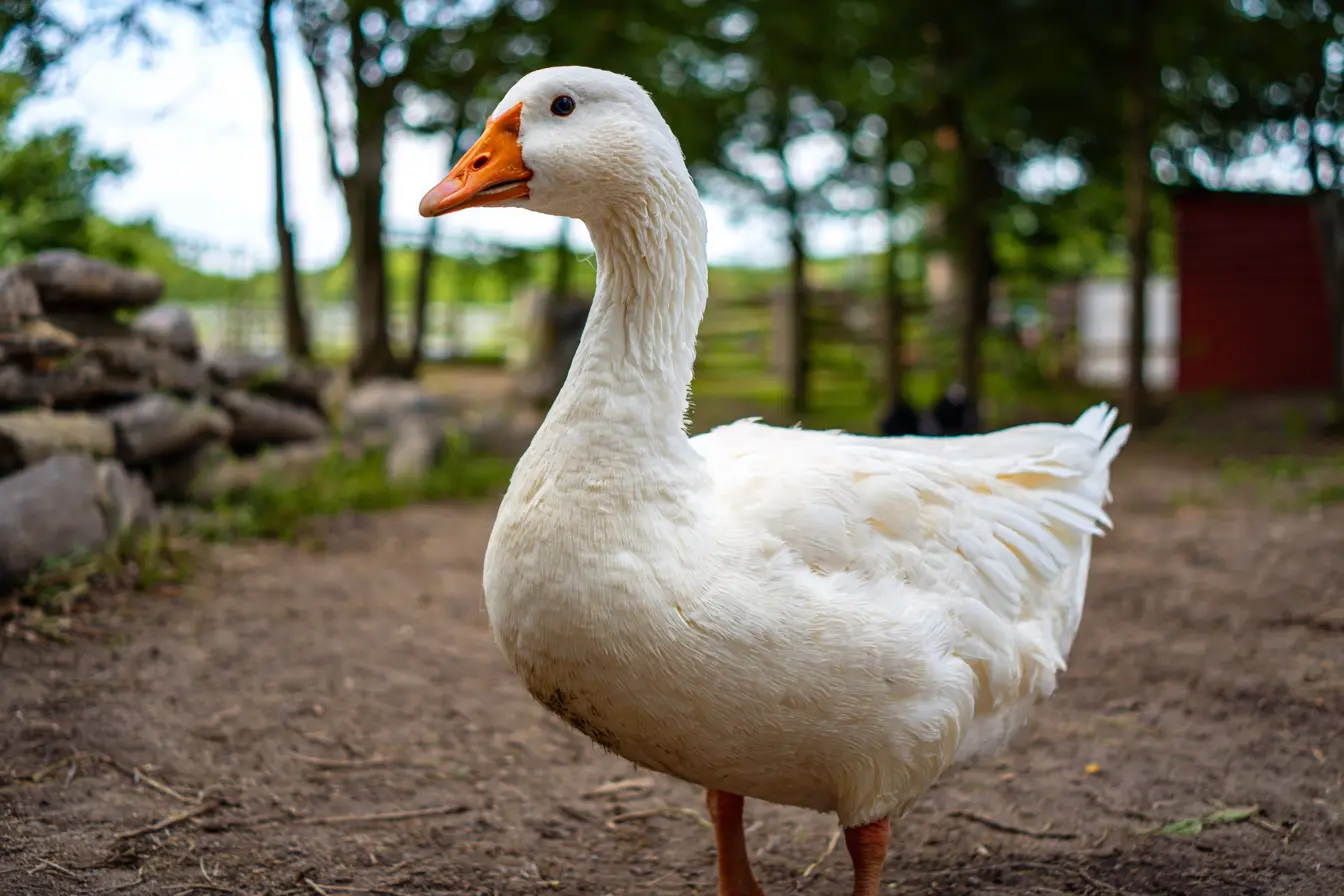
Geese are often thought of as simple grazers, happily living off grass alone. While grass does form a large part of their diet, geese still require balanced nutrition to remain healthy, grow properly, and (for some breeds) lay strong eggs. Whether you keep geese as pets, for eggs, for grazing land management, or you care for wild geese responsibly, understanding what they can and cannot eat is essential.
Why Diet Matters for Geese
Geese are primarily herbivores, but they are technically omnivorous and will eat insects and small invertebrates when available. A suitable diet supports:
Strong bones and joints
Healthy feather growth
Good fertility and egg production
A strong immune system
Proper digestion and weight management
Poor feeding can lead to deficiencies, obesity, leg problems, poor feather quality, and reproductive issues.
What Geese Should Eat
Grass and Grazing
Grass is the cornerstone of a goose’s diet.
Geese thrive when they have:
Access to fresh pasture
Short to medium-length grass
A variety of grasses and weeds
They naturally graze throughout the day, much like sheep. On good pasture, adult geese may require very little additional feed.
Safe grazing plants include:
Rye grass
Meadow grass
Clover
Dandelion
Plantain
Avoid areas treated with pesticides or fertilisers.
A Balanced Commercial Feed
While grass is vital, most domestic geese still benefit from supplementary feed, particularly during breeding, moulting, winter, or if grazing is limited.
Suitable options include:
Waterfowl or goose pellets
Grower pellets for young geese
Breeder or maintenance pellets depending on season
Pellets should be fed in moderation, not as the main food source when good grazing is available.
Avoid medicated poultry feeds, as geese are sensitive to certain medications designed for chickens.
Fresh Vegetables and Greens
Vegetables add nutrients and variety to a goose’s diet.
Safe vegetables include:
Cabbage, kale, spinach, chard
Lettuce (not iceberg)
Peas and sweetcorn
Broccoli, cauliflower, cabbage leaves
Carrot tops and grated carrots
Courgette, pumpkin, squash
Vegetables should be chopped into manageable pieces to prevent choking.
Fruit (Occasionally)
Fruit is high in sugar and should be fed sparingly.
Safe fruits include:
Apples (no seeds)
Pears
Berries
Grapes (cut in half)
Melon
Fruit should be treated as an occasional treat, not a dietary staple.
Protein Sources
Geese require less protein than ducks or chickens, but some extra protein is useful at certain times.
Appropriate protein sources include:
Insects and worms (naturally foraged)
Small amounts of mealworms
Peas and legumes
Extra protein is especially helpful during:
Growth in goslings
Breeding season
Moulting
Do not overfeed high-protein foods, as excess protein can cause rapid growth and leg issues.
Grains and Seeds
Grains are useful as supplements, especially in colder months.
Suitable grains include:
Wheat
Barley
Oats
Cracked maize
Grains should be fed in moderation and ideally scattered to encourage movement and grazing behaviour.
What Geese Shouldn’t Eat
Bread
Bread is one of the worst foods for geese. It:
Causes malnutrition
Fills them up without nutrients
Leads to obesity
Pollutes waterways
Never feed bread, pastries, crackers, or similar foods.
Foods Toxic to Geese
Avoid these foods completely:
Avocado
Chocolate
Caffeine
Citrus fruits
Raw or dried beans
Apple seeds
These foods can cause serious illness or poisoning.
Processed, Salty, or Sugary Foods
Geese cannot tolerate high salt or additives. Never feed:
Crisps
Chips
Processed meats
Takeaway food
Biscuits, cakes, or sweets
Mouldy or Spoiled Food
Mouldy food can contain dangerous toxins that may be fatal to geese. Always feed fresh produce only.
Feeding Goslings: Special Considerations
Goslings grow quickly and need careful feeding to prevent developmental problems.
Suitable foods for goslings:
Unmedicated waterfowl or gosling starter crumb
Fresh grass (very important)
Finely chopped greens
Small amounts of peas
Important growth guidance
Goslings should not be pushed to grow too quickly. Excess protein can cause leg deformities and joint problems.
What to avoid for goslings:
Bread
Layer pellets
High-protein chick feeds
Large or hard foods
Access to grass from an early age is one of the best things you can provide.
Feeding Wild Geese Responsibly
If you feed wild geese, do so carefully to avoid harming them or the environment.
Better alternatives to bread include:
Sweetcorn
Oats
Chopped greens
Waterfowl pellets
Scatter food widely and only feed occasionally to prevent overcrowding and dependency on humans.
How Much and How Often Should Geese Eat?
Geese with good grazing access will naturally regulate their intake.
General guidelines:
Grass: available at all times
Pellets: small daily amount or seasonal supplementation
Vegetables: several times a week
Treats (fruit or grain): occasionally
Overfeeding concentrates can lead to obesity, especially in non-breeding geese.
Water Requirements
Geese require constant access to:
Clean, fresh drinking water
Containers deep enough to rinse their bills
Bathing water if possible, although they do not need ponds as large as ducks
Never feed geese without water nearby, as they need water to swallow food properly.
Final Tips for Healthy, Happy Geese
Provide plenty of grazing space
Keep feeding areas clean and dry
Store feed securely to prevent pests
Adjust feeding based on season and body condition
Conclusion
Geese are excellent grazers that thrive on grass-based diets supplemented with vegetables, small amounts of pellets, and occasional grains or fruit. Avoid bread, processed foods, and toxic plants entirely. With access to fresh grass, clean water, and sensible supplementation, geese are hardy, healthy birds that are relatively easy to feed correctly.
Quick questions
- What should I know about goose diet?
- Geese mainly eat grass, but for balanced nutrition, they need more than just grass in their diet. Vet Verified can help you compare UK veterinary practices by location, species, services and opening hours before you call.
- When should I contact a vet about goose diet?
- Contact a veterinary practice if your pet seems unwell, symptoms are getting worse, you are unsure what to do, or the situation may be urgent. Vet Verified helps you compare practice details, but a vet should advise on your pet's current care.
- Can Vet Verified help me find bird vets?
- Yes. Use Vet Verified to compare bird vets across the UK, then check practice profiles and call directly to confirm current availability.
Find a vet
Find a veterinary practice
Compare UK veterinary practices related to this topic. Call the practice to confirm its current services and availability.