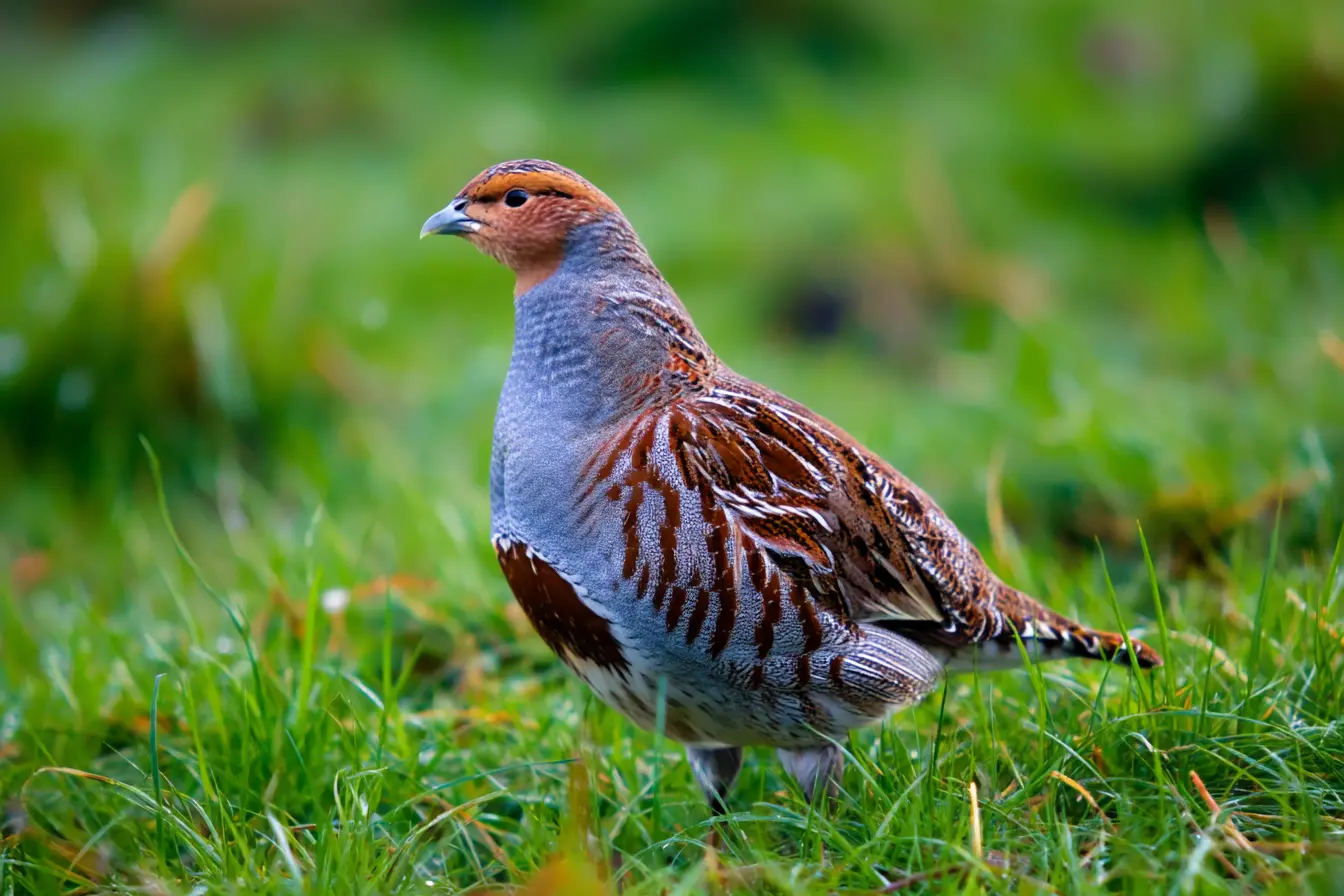
The Grey Partridge is one of the UK’s most beloved and historically significant game birds. Once a common sight across farmland and grassland, this native species has declined dramatically over the past century due to habitat loss and modern farming practices. For landowners, conservationists, and enthusiasts, keeping and breeding Grey Partridges offers a valuable opportunity to help restore one of Britain’s traditional countryside icons.
This detailed guide covers everything you need to know about keeping Grey Partridges in the UK, from their biology and habitat needs to breeding, feeding, housing, and legal responsibilities.
Understanding the Grey Partridge
The Grey Partridge (Perdix perdix), also known as the English Partridge, is a small, ground-dwelling game bird native to the British Isles. It is a member of the pheasant family (Phasianidae) and is recognised for its compact build, russet face, and subtle grey-brown plumage that blends perfectly into farmland landscapes.
Key Characteristics
Length: 28–32 cm
Weight: Around 400–450 g
Lifespan: Typically 2–3 years in the wild
Habitat: Farmland, grassland, and hedgerow margins
Diet: Seeds, grains, green shoots, and insects
The Grey Partridge forms lifelong pair bonds and lives in small family groups known as coveys outside of the breeding season. It is a non-migratory bird that thrives best in open, lowland areas with access to shelter, insects, and feeding opportunities.
Legal Considerations
Grey Partridges are classed as game birds under the Game Act 1831 and are protected under the Wildlife and Countryside Act 1981. This means that while you can keep and breed them, their welfare and release are subject to specific rules.
Key Legal Points
No licence is required to keep or breed Grey Partridges in captivity for private or conservation purposes.
The open shooting season in England, Wales, and Scotland runs from 1 September to 1 February.
It is illegal to shoot Grey Partridges outside of the open season.
Releases into the wild must comply with environmental guidelines and should only be carried out where suitable habitat exists.
All birds must be managed in line with the Animal Welfare Act 2006, ensuring they have appropriate housing, nutrition, and care.
For conservation projects, consult the Game and Wildlife Conservation Trust (GWCT) or Natural England for advice on habitat restoration and responsible release practices.
Choosing the Right Birds
If you plan to keep Grey Partridges, always purchase birds from a reputable breeder or game farm. This ensures your birds are healthy, disease-free, and ideally suited to your goals, whether conservation, restocking, or small-scale breeding.
Healthy birds should have:
Bright, alert eyes and active behaviour
Clean feathers and feet
No signs of diarrhoea, feather loss, or lethargy
Avoid buying wild-caught birds, as this is both illegal and unethical. Captive-bred partridges are hardier, calmer, and adapt more easily to managed environments.
Housing and Enclosure Design
Grey Partridges are hardy and naturally ground-dwelling, but they need secure, spacious housing that provides protection from predators and adverse weather.
Brooder and Early Rearing
Young chicks (called poults) require warm, dry conditions and careful management.
Temperature: Start at 35°C and reduce gradually by 3°C each week until the birds are feathered.
Flooring: Use clean, dry bedding such as wood shavings or chopped straw.
Lighting: Gentle light for 16 hours per day to encourage feeding and activity.
Space: Around 1 square foot per chick initially, increasing as they grow.
Maintain strict hygiene and avoid damp conditions to prevent coccidiosis and respiratory issues.
Outdoor Pens
Once the birds are fully feathered (5–6 weeks old), they can move into outdoor pens or aviaries.
Fencing: At least 1.5 metres high, covered with fine netting to prevent escape and protect from predators.
Ground cover: Natural vegetation such as grasses, nettles, or small shrubs.
Shelter: Provide low bushes, wooden shelters, or artificial cover for protection.
Drainage: Ensure the area is dry and well-drained.
Space: At least 2 square metres per bird, more for breeding pairs or family groups.
Pens should be positioned in a quiet area away from disturbance and surrounded by natural cover such as hedges or long grass.
Free-Range Systems
Grey Partridges adapt well to free-range environments on large estates or conservation areas. They should have access to:
Hedgerows and grass margins for nesting and feeding.
Low predator pressure.
Supplementary feed and grit.
Water sources such as shallow troughs or natural pools.
Feeding and Nutrition
Grey Partridges have a varied diet of seeds, grains, and green vegetation, with insects providing essential protein for chicks.
Feeding Regime
Chicks: Game bird starter crumb (28% protein) for the first 3 weeks.
Growers: Game bird grower pellets (20–22% protein) from 3–8 weeks.
Adults: Maintenance or layer pellets (16–18% protein) once mature.
In addition, offer:
Wheat, barley, or millet as supplementary grain.
Fresh greens such as lettuce, clover, or dandelion leaves.
Insects or mealworms for breeding and chick-rearing birds.
Grit to aid digestion and oyster shell for calcium.
Provide clean water daily, preferably in shallow troughs that are easy to clean.
Feeding for the Seasons
Spring: Increase protein and calcium for breeding birds.
Summer: Offer insect-rich feed for chicks and growing juveniles.
Winter: Supply energy-dense grains to help maintain body weight.
Scatter feeding is ideal, as it encourages natural foraging and reduces boredom.
Breeding and Reproduction
Grey Partridges are monogamous and typically form breeding pairs in early spring. They are capable of breeding successfully in captivity if provided with the right environment.
Breeding Conditions
Pair one cock with one hen in a quiet, well-vegetated pen.
Provide ground-level nesting boxes or natural cover for nesting.
Avoid overcrowding, as males can become aggressive during breeding season.
Egg Laying and Incubation
Breeding begins in April and may continue until June.
Hens lay between 10 and 20 eggs in a clutch.
Eggs are laid daily and can be collected for artificial incubation.
For artificial incubation:
Temperature: 37.5°C
Humidity: 50–55% during incubation, 65% for hatching
Turning: 3–4 times daily until day 21
Incubation period: Around 23–24 days
After hatching, chicks should be transferred immediately to a warm brooder with suitable feed and water.
Natural Rearing
If left to brood naturally, the hen will incubate her eggs and raise her chicks. Allowing natural rearing can produce hardy, well-socialised birds but requires quiet surroundings and predator protection.
Health and Welfare
Healthy Grey Partridges are active, alert, and responsive. Regular observation helps detect early signs of illness.
Common Health Issues
Coccidiosis: A parasitic gut infection; prevent through clean housing and medicated feed if necessary.
Hexamitiasis: A protozoal infection causing diarrhoea and weight loss.
Worms: Regular worming recommended every 3–4 months for outdoor birds.
Respiratory infections: Caused by damp conditions or poor ventilation.
Feather pecking: Prevent through adequate space, enrichment, and natural cover.
Hygiene and Biosecurity
Clean and disinfect housing regularly.
Replace bedding often to avoid dampness.
Quarantine new birds for at least two weeks.
Keep wild birds and rodents away from feed and pens.
A proactive approach to hygiene is essential for disease prevention and welfare.
Predator Control and Safety
Grey Partridges are vulnerable to many predators, especially during nesting and chick rearing. Common threats include foxes, stoats, crows, and raptors.
To minimise losses:
Use predator-proof fencing and netting.
Provide overhead cover in pens to protect from birds of prey.
Employ legal predator control measures following UK wildlife law.
Avoid leaving feed or carcasses that attract vermin.
Winter Care
Grey Partridges tolerate cold temperatures well but require dry shelter and access to food throughout the winter months.
Provide windproof shelters or straw huts.
Ensure water supplies remain unfrozen.
Offer additional grain and greens for energy.
Reduce disturbance to allow birds to conserve energy.
Record Keeping
Responsible keepers should maintain detailed records of:
Bird numbers and pairings.
Hatch dates and survival rates.
Feed usage and health treatments.
Releases into the wild, if applicable.
Good records improve flock management and demonstrate compliance with welfare regulations.
Conservation and Environmental Benefits
Grey Partridge management plays a vital role in farmland conservation. Restoring suitable habitat for partridges also benefits a wide range of other species, including skylarks, yellowhammers, and hares.
To support conservation:
Maintain field margins and wildflower strips.
Plant hedgerows and cover crops.
Avoid excessive pesticide use.
Work with local wildlife or game management groups.
The GWCT Partridge Count Scheme offers free advice and monitoring support for anyone managing Grey Partridges.
Conclusion
Keeping Grey Partridges is a rewarding and meaningful way to contribute to the restoration of one of Britain’s traditional game birds. These charming birds require space, careful husbandry, and a thoughtful approach to habitat and welfare.
Whether for small-scale breeding, conservation projects, or as part of a wider estate management plan, success lies in understanding their natural behaviours and needs. With proper care, the Grey Partridge can once again thrive, bringing life, beauty, and balance back to the British countryside.
Quick questions
- What should I know about grey partridge?
- Grey Partridges in the UK have declined due to habitat loss and farming changes. This guide provides information on keeping and breeding them. Grey Partridges live in pairs and small groups on farmlands. Vet Verified can help you compare UK veterinary practices by location, species, services and opening hours before you call.
- When should I contact a vet about grey partridge?
- Contact a veterinary practice if your pet seems unwell, symptoms are getting worse, you are unsure what to do, or the situation may be urgent. Vet Verified helps you compare practice details, but a vet should advise on your pet's current care.
- Can Vet Verified help me find bird vets?
- Yes. Use Vet Verified to compare bird vets across the UK, then check practice profiles and call directly to confirm current availability.
Find a vet
Find a veterinary practice
Compare UK veterinary practices related to this topic. Call the practice to confirm its current services and availability.