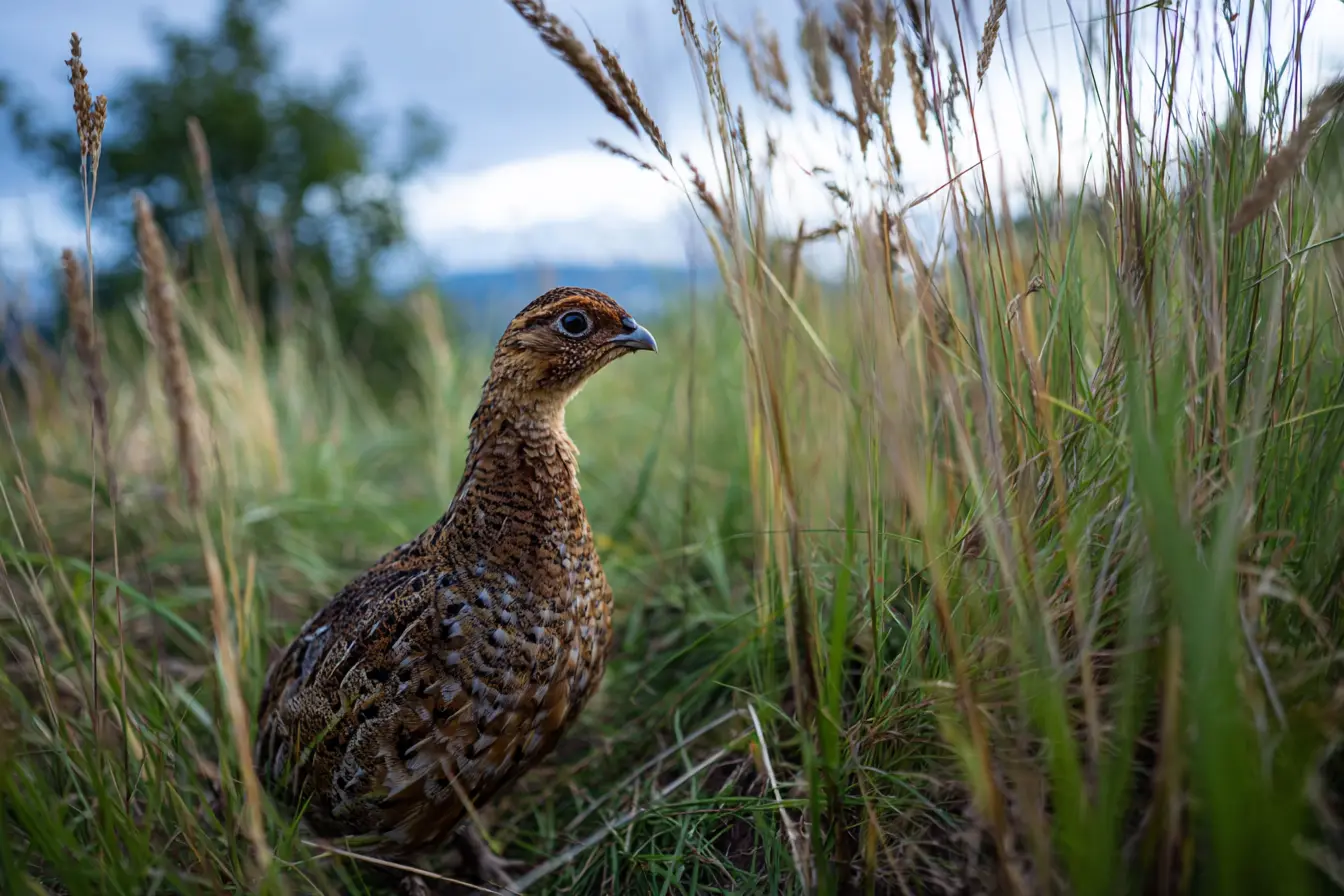
Keeping partridges is a rewarding and traditional practice for both conservation and game management. Whether you plan to rear them for release, shooting, or as ornamental birds, success depends on good husbandry, proper housing, and a clear understanding of the birds’ natural behaviour and legal requirements. This guide provides a detailed overview of everything you need to know to keep partridges successfully and responsibly.
Understanding Partridges
Partridges are medium-sized game birds that belong to the pheasant family (Phasianidae). The two main species kept and managed in the UK are:
Grey Partridge (Perdix perdix) – A native species also known as the English partridge. It prefers open farmland with hedgerows and is often associated with traditional lowland farming.
Red-legged Partridge (Alectoris rufa) – Originally introduced from continental Europe, this species has adapted well to British farmland and is now the most common partridge reared for shooting.
Both species have similar management needs but differ in habitat preferences and behaviour. The Grey Partridge is more sensitive to environmental changes, while the Red-legged Partridge is hardier and more tolerant of varied conditions.
Legal Considerations and Responsibilities
Keeping and rearing partridges in the UK requires compliance with several laws and welfare standards. These ensure that birds are treated humanely and that management practices protect wild populations and biodiversity.
Relevant Legislation
Wildlife and Countryside Act 1981
Game Act 1831
The Game Bird (Welfare) Code of Practice
You do not usually need a licence to keep or rear partridges, but certain activities such as release or transport in large numbers may require registration with the Animal and Plant Health Agency (APHA). If birds are to be released into the wild, you must ensure that their release does not damage the local ecosystem.
Shooting Seasons
If partridges are reared for sport, it is important to observe the legal open seasons:
Grey Partridge: 1 September to 1 February
Red-legged Partridge: 1 September to 1 February
Shooting outside these dates is illegal and can result in prosecution.
Choosing the Right Species
When deciding which partridge species to keep, consider your objectives and environment.
Grey Partridges are best suited to conservation or small-scale projects, as they thrive in farmland with low predator pressure and good cover.
Red-legged Partridges are ideal for larger-scale rearing and shooting enterprises due to their adaptability and robust nature.
If your goal is conservation, native Grey Partridges are the ethical choice, provided you can offer suitable habitat and management.
Housing and Enclosure Design
Brooder Units
Young partridge chicks (often called poults) start life in heated brooders. The environment must be clean, warm, and free from draughts. Key requirements include:
Temperature of 35°C at hatching, gradually reduced to ambient by 4–5 weeks
Dry bedding such as chopped straw or wood shavings
Non-slip flooring to prevent leg deformities
Feeders and drinkers designed to prevent contamination
Chicks are particularly vulnerable to chilling and wet conditions, so careful attention to brooder management is essential.
Rearing Pens
Once the chicks are feathered, they are transferred to outdoor pens. These provide a transition to natural conditions and help develop their foraging and flight instincts. A good rearing pen should include:
Fencing at least 1.5 metres high, covered with netting to prevent escape
Plenty of natural or artificial cover (shrubs, grasses, or netted areas)
Shelter from wind and rain
Access to clean water and suitable feed
Secure protection from predators
A common stocking density is about 2 square metres per bird, though more space is always beneficial for welfare and feather condition.
Release Pens
For birds intended for release, a release pen allows gradual acclimatisation to the wild. These pens should be situated in suitable habitat, such as arable land with hedgerows, rough grass, or cover crops. The birds can be encouraged to stay nearby after release by providing food and shelter for several weeks.
Feeding and Nutrition
Nutrition plays a vital role in partridge health, growth, and breeding success. Feed should be clean, fresh, and matched to the bird’s developmental stage.
Feeding Schedule
Starter Feed (up to 3 weeks): High-protein crumb, about 28% protein, to support rapid growth
Grower Feed (3–6 weeks): Pellets with 22–24% protein
Finisher Feed (6–12 weeks): 16–18% protein to prepare birds for release
Maintenance Feed (adults): 14–16% protein, supplemented with grains and grit
Clean water must always be available. Supplementary feeding with whole grains, such as wheat or barley, is beneficial in release pens and throughout winter.
Grit and Minerals
Partridges need grit to aid digestion, especially if they are eating grains or natural forage. Fine grit for chicks and coarser grit for adults should be provided at all times.
Health and Welfare
Maintaining good health and welfare is central to keeping partridges responsibly. Prevention is better than cure, and good hygiene, biosecurity, and observation are key.
Common Diseases
Coccidiosis – Caused by parasites in the gut; controlled through hygiene and medicated feed
Hexamitiasis – A protozoan infection affecting young birds
Mycoplasma and respiratory infections – Spread by close contact or poor ventilation
Worm infestations – Require regular monitoring and deworming
Pens should be cleaned regularly, and damp or soiled bedding should be replaced promptly. Avoid overcrowding and stress, as these can make birds more susceptible to disease.
Predator Protection
Partridges are vulnerable to predators including foxes, stoats, weasels, and birds of prey. Protect pens with secure fencing, overhead netting, and electric wires where appropriate. Always use humane and legal methods of predator control.
Breeding Partridges
Breeding partridges can be done naturally or artificially, depending on your facilities and goals.
Breeding Stock
Select strong, healthy birds from unrelated lines to maintain genetic diversity. A typical breeding ratio is one male to four females. Breeding pens should be quiet, sheltered, and spacious, with dry ground and nesting materials such as straw or grass.
Egg Collection and Incubation
Partridges lay eggs from April to June. Eggs should be collected daily, stored at around 15°C, and incubated within 7 days. Artificial incubation requires:
Temperature: 37.5°C
Humidity: 50–55% during incubation, rising to 65% for hatching
Turning eggs several times daily until day 21
Hatch period: around 23–25 days
Chicks should be transferred immediately to a warm brooder after hatching.
Releasing Partridges
When releasing partridges into the wild, timing and site selection are crucial. Releases usually take place from July to September. Birds should be fully feathered, fit, and familiar with outdoor conditions.
Release pens should be located in suitable habitat with plenty of cover and access to water. Birds can be encouraged to remain nearby by providing grain and cover crops for several weeks after release. Avoid releasing birds during cold, wet, or windy weather.
Record Keeping and Management
Detailed records are essential for welfare, traceability, and management improvement. Records should include:
Dates and quantities of eggs set and hatched
Mortality rates
Feed and medication usage
Release numbers and locations
Predator control measures
Accurate records also assist with compliance during inspections and support effective disease control.
Conservation and Ethical Considerations
Partridge management plays a significant role in UK farmland conservation. Traditional grey partridge numbers declined dramatically in the 20th century due to habitat loss and modern farming methods. Responsible keepers can help reverse this decline through habitat restoration and sensitive rearing practices.
This includes:
Maintaining rough grass margins and hedgerows
Planting cover crops for shelter and feeding
Limiting pesticide use to protect insect populations
Controlling predators responsibly and legally
Conclusion
Keeping partridges requires dedication, attention to detail, and respect for both the birds and their environment. Whether you are managing a small conservation project or a larger game enterprise, success depends on sound husbandry, legal compliance, and commitment to welfare standards. By providing the right habitat, nutrition, and care, you can help sustain healthy partridge populations and contribute positively to British countryside conservation.
Quick questions
- What should I know about partridge?
- This guide to keeping partridges provides key insights for conservation and game management in the UK. Learn about the Grey and Red-legged Partridges, from legal requirements, housing, and feeding to health and welfare. Vet Verified can help you compare UK veterinary practices by location, species, services and opening hours before you call.
- When should I contact a vet about partridge?
- Contact a veterinary practice if your pet seems unwell, symptoms are getting worse, you are unsure what to do, or the situation may be urgent. Vet Verified helps you compare practice details, but a vet should advise on your pet's current care.
- Can Vet Verified help me find bird vets?
- Yes. Use Vet Verified to compare bird vets across the UK, then check practice profiles and call directly to confirm current availability.
Find a vet
Find a veterinary practice
Compare UK veterinary practices related to this topic. Call the practice to confirm its current services and availability.