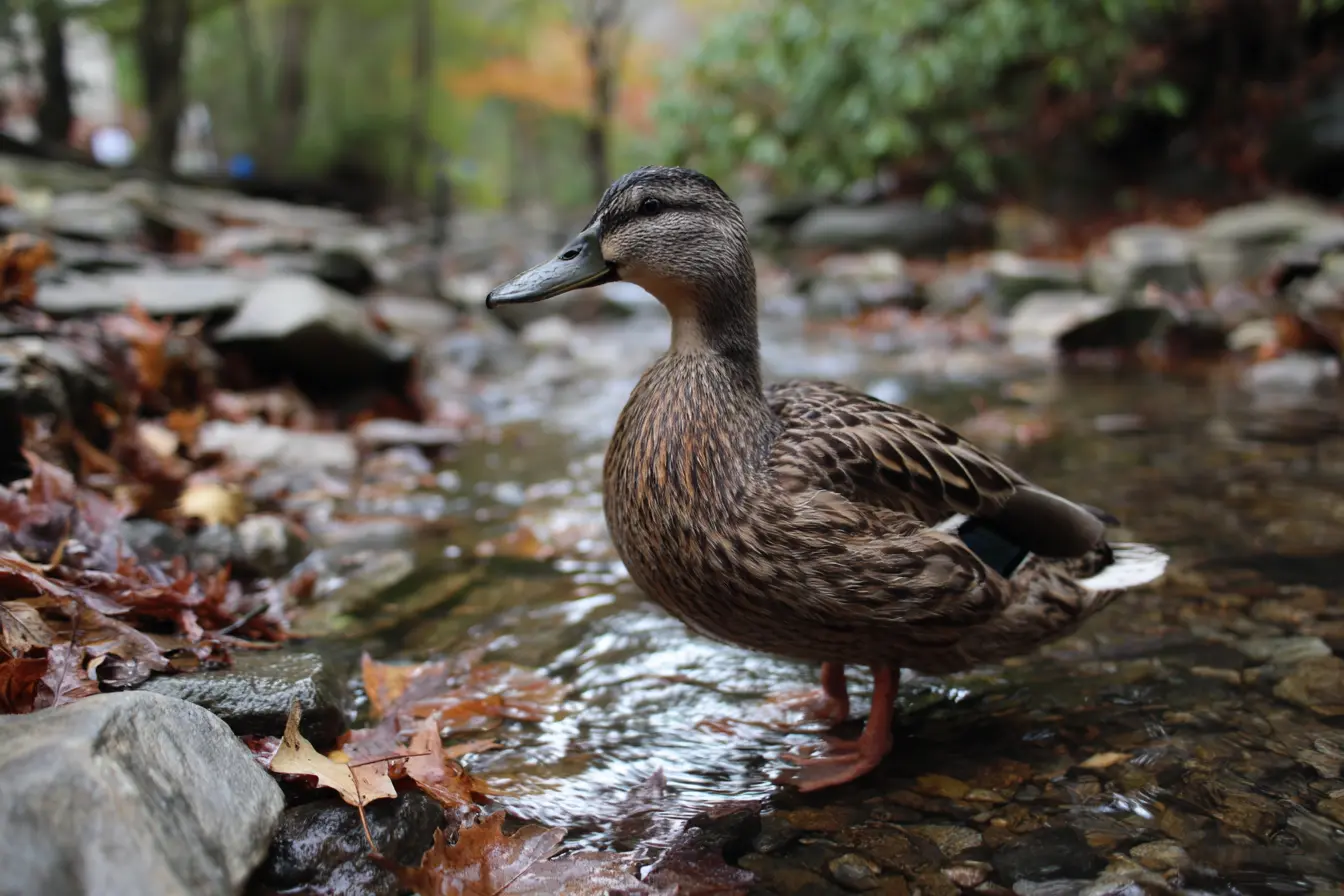
The UK is home to a wide variety of wild ducks, from familiar park residents to seasonal visitors that arrive from the Arctic each winter. Whether you live near a pond, river, reservoir or coastline, chances are you’ve spotted at least one species, even if you didn’t know its name.
Ducks belong to the family Anatidae and are broadly grouped into dabbling ducks, diving ducks and sea ducks. Each group feeds and behaves slightly differently, which makes identification easier once you know what to look for.
Here’s a guide to the most common wild ducks found in the UK.
Mallard Duck
The mallard is the most recognisable and widespread duck in the UK. Found on rivers, lakes, canals, parks and farmland ponds, it is the duck most people think of first.
Males (drakes) have:
An iridescent green head
Yellow bill
White neck ring
Chestnut breast
Females are mottled brown with an orange-brown bill.
Mallards are dabbling ducks, meaning they feed by tipping forward in shallow water rather than diving fully underwater.
Tufted Duck
A common diving duck, the tufted duck is frequently seen on lakes and reservoirs.
Males are striking in appearance, with:
Glossy black plumage
Bright yellow eyes
A distinctive drooping head tuft
Females are dark brown with a shorter, less obvious tuft.
They dive beneath the surface to feed on aquatic invertebrates and molluscs.
Gadwall Duck
Often overlooked because of its subtle colouring, the gadwall is a quietly elegant dabbling duck.
Males are mostly grey-brown with intricate feather patterning and a black rear end. Females resemble female mallards but are slightly slimmer and more refined in appearance.
Gadwalls are commonly seen on wetlands and gravel pits.
Wigeon Duck
The Eurasian wigeon is a winter visitor to the UK, arriving in large numbers from Iceland, Scandinavia and Russia.
Males have:
A chestnut head
Creamy forehead
Pinkish breast
Grey body
They are known for their distinctive whistling call.
Wigeon prefer estuaries, coastal marshes and large inland waters during winter.
Teal Duck
The teal is the UK’s smallest duck and a common winter visitor, though some breed here.
Males are beautifully marked, with:
A chestnut head
A broad green eye patch
A grey body
Teal are dabbling ducks and are often seen in small groups on shallow wetlands.
Shoveler Duck
The northern shoveler is easy to identify thanks to its large, spoon-shaped bill.
Males have:
A dark green head
White chest
Chestnut flanks
The oversized bill allows shovelers to filter-feed for small aquatic organisms.
They are found on wetlands and shallow lakes across the UK.
Pochard Duck
The pochard is a diving duck commonly seen in winter.
Males have:
A rich chestnut head
Black breast
Pale grey body
Females are brown and more subdued in colour.
Numbers of pochards have declined in recent years, making sightings increasingly notable.
Goldeneye Duck
The common goldeneye is a winter visitor, most often seen on large lakes and coastal waters.
Males are black and white with:
A dark green head
A distinctive white cheek patch
Bright yellow eyes
They are energetic divers and often seen bobbing on choppy water.
Eider Duck
The eider is the UK’s largest duck and is most commonly found along rocky coastlines.
Males are striking, with:
Black and white plumage
A pale green nape
Eiders are sea ducks and are rarely seen inland.
Shelduck
The common shelduck is a large, goose-like duck often found on estuaries and coastal mudflats.
It has bold colouring:
White body
Dark green head
Chestnut band across the chest
Red bill
Shelducks nest in burrows and sometimes use old rabbit holes.
Goosander Duck
The goosander, also known as the merganser, is a fish-eating duck often found on rivers and reservoirs.
Males are white with a dark green head, while females have a grey body and a distinctive reddish-brown head with a shaggy crest.
They have narrow, serrated bills designed for catching fish.
Mandarin Duck
Although not native to the UK, the mandarin duck has established breeding populations after escapes from ornamental collections.
Males are exceptionally colourful, with ornate orange “sails” on their back and bold facial markings.
They are most often seen on wooded lakes and rivers.
Resident vs Winter Visitors
Some ducks, such as mallards and tufted ducks, live in the UK year-round. Others, including wigeon, teal and goldeneye, arrive in autumn and leave again in spring.
During winter, wetlands can host impressive mixed flocks of species feeding together.
Where to Spot Wild Ducks
You are most likely to see ducks in:
Nature reserves
Coastal estuaries
Reservoirs
Gravel pits
Slow-moving rivers
Public parks
Bringing binoculars and visiting during early morning or late afternoon often increases your chances of spotting a variety of species.
Conclusion
The UK’s wetlands and waterways support an impressive range of wild ducks, from the familiar mallard to the ornate mandarin and winter-visiting goldeneye. Each species has its own feeding style, habitat preference and seasonal pattern, making duck watching both accessible and rewarding.
Whether you are an experienced birdwatcher or simply enjoy feeding ducks at a local pond, taking a closer look reveals just how diverse and fascinating these birds truly are.
Quick questions
- What should I know about wild ducks?
- The UK is home to many wild ducks, which can be found in various habitats like ponds, rivers, and coastlines. Common types include mallards, tufted ducks, and shelducks, each with unique features and behaviours. Vet Verified can help you compare UK veterinary practices by location, species, services and opening hours before you call.
- When should I contact a vet about wild ducks?
- Contact a veterinary practice if your pet seems unwell, symptoms are getting worse, you are unsure what to do, or the situation may be urgent. Vet Verified helps you compare practice details, but a vet should advise on your pet's current care.
- Can Vet Verified help me find bird vets?
- Yes. Use Vet Verified to compare bird vets across the UK, then check practice profiles and call directly to confirm current availability.
Find a vet
Find a veterinary practice
Compare UK veterinary practices related to this topic. Call the practice to confirm its current services and availability.