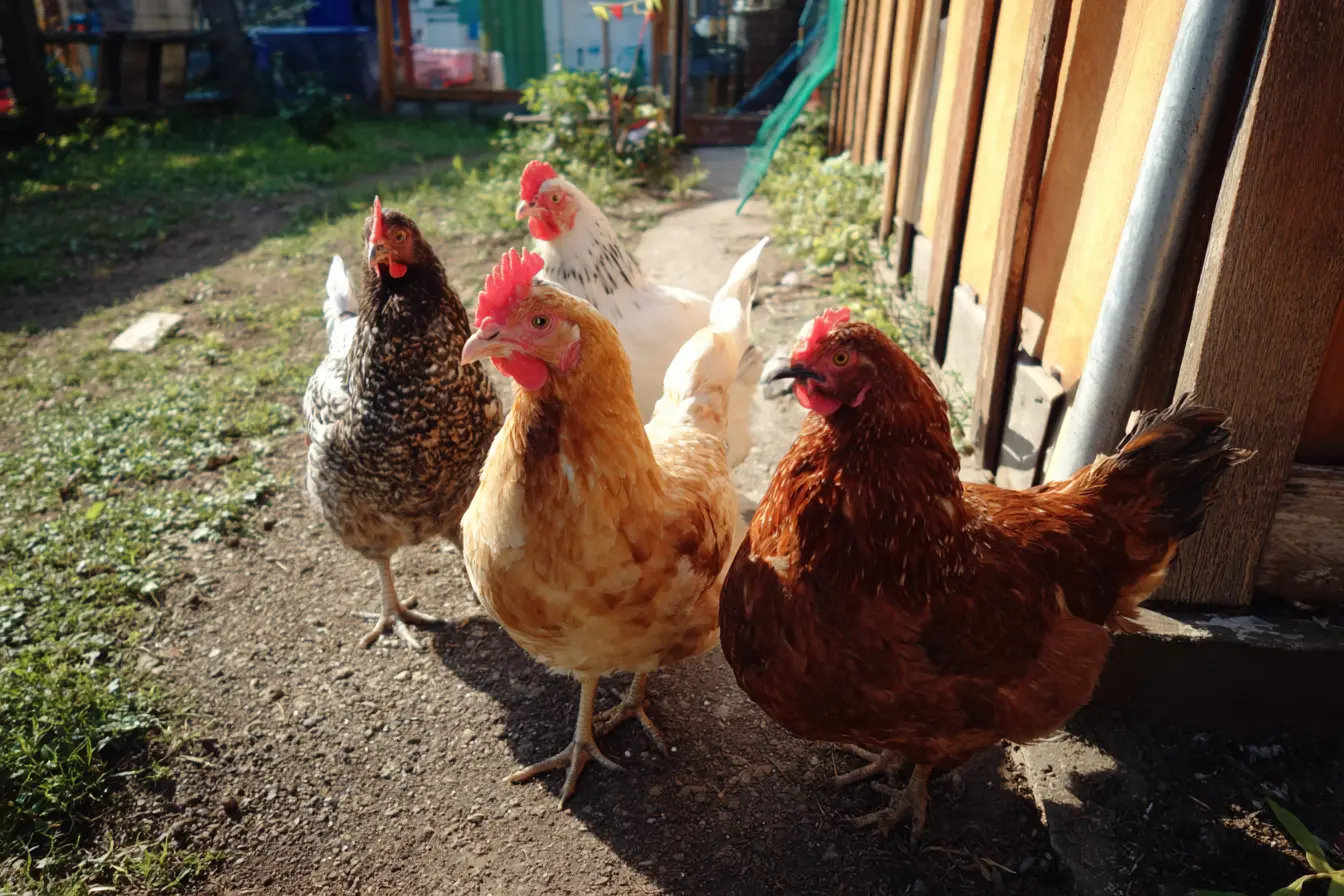
Rescuing hens is one of the most rewarding ways to keep chickens. Many rescued hens come from commercial egg farms where they have spent the early part of their lives in confined conditions. When they arrive in a backyard environment, everything from grass and sunlight to dust baths can be completely new to them.
Although rescued hens can thrive in a garden setting, they often require extra patience and care during their transition. Their bodies may be tired from intensive egg production, and they may need time to regain strength, confidence, and healthy feathers.
This guide explains what to expect when bringing home rescued hens, how to support their recovery, and what steps you can take to help them settle into a safe and happy life in your backyard flock.
What are rescued hens?
Rescued hens are typically ex-commercial laying hens that have been rehomed after their productive period in the egg industry. These hens are usually around 18 months old when they are released for rehoming.
Commercial egg farms replace hens once their egg production begins to decline, even though the birds can still live for many more years.
Most rescued hens are hybrid laying breeds that were selected for high egg production.
Common characteristics of rescued hens include:
Missing or damaged feathers
Pale combs and wattles
Thin body condition
Nervous behaviour around humans
Little experience with outdoor environments
Despite these challenges, rescued hens often recover quickly once they receive proper care.
The first days after bringing hens home
The first few days are a major adjustment for rescued hens. They are moving from a highly controlled environment to an unfamiliar space with new sights, sounds, and surfaces.
It is important to keep their surroundings calm and predictable during this period.
Helpful steps during the first week include:
Provide a quiet, secure coop
Ensure the coop is safe, comfortable, and protected from predators. Rescued hens may be nervous at first and will appreciate a sheltered place to rest.
Keep routines consistent
Feed and check on the hens at regular times each day to help them feel secure.
Limit handling at first
Allow the hens time to observe their new environment before attempting to pick them up or interact closely.
Offer easy access to food and water Make sure feeders and drinkers are easy to find and reach.
Most hens begin to settle within a few days once they realise food, water, and safety are reliable.
Feeding rescued hens
Nutrition plays a key role in helping rescued hens regain strength.
Many hens arrive underweight or nutritionally depleted after long periods of intensive laying.
Key feeding considerations include:
Provide high-quality layers feed Layers pellets or mash should form the base of their diet. This provides balanced nutrients for recovery and continued egg laying.
Offer additional protein
Protein supports feather regrowth and muscle repair. Occasional mealworms, sunflower seeds, or scrambled egg can help.
Ensure calcium availability
Oyster shell or another calcium supplement supports eggshell quality and bone health.
Introduce treats gradually
Fresh vegetables such as cabbage, spinach, peas, and sweetcorn are good additions but should remain occasional treats.
Provide constant fresh water
Clean water must always be available to prevent dehydration and support digestion.
A consistent diet helps hens regain body condition and energy.
Feather loss and regrowth
One of the most noticeable features of rescued hens is feather loss. Many arrive with bare patches caused by feather pecking, cage wear, or moulting.
Feathers usually grow back over several weeks or months once hens receive proper nutrition and live in a low-stress environment.
To support feather regrowth:
Provide extra protein
Protein-rich foods help feathers grow more quickly.
Maintain good coop hygiene
Clean bedding reduces irritation and prevents skin infections.
Check for parasites
Mites or lice can slow feather regrowth if left untreated.
As feathers return, hens become better insulated against cold weather.
Teaching hens natural behaviours
Rescued hens may not immediately know how to perform natural chicken behaviours.
Simple activities such as perching, scratching, or dust bathing can take time to learn.
Many hens discover these behaviours by watching other chickens.
Ways to encourage natural behaviour include:
Provide loose soil or sand for dust baths
Dust bathing helps chickens control parasites and maintain feather health.
Scatter feed occasionally Throwing small amounts of grain encourages scratching and foraging.
Install low perches
Some hens may take time to learn how to perch at night.
Watching hens explore these new behaviours is often one of the most rewarding parts of rescue keeping.
Monitoring health in rescued hens
Rescued hens may be more vulnerable to certain health problems due to their previous living conditions.
Regular observation is essential during the first few months.
Common health concerns include:
Egg-laying disorders
Conditions such as egg peritonitis or egg binding can occur in hens that have laid heavily.
**Weak bones ** Long-term calcium use for eggshell production may weaken bones.
Parasites
External parasites such as mites can spread quickly in flocks.
Respiratory problems
Stress and environmental changes can occasionally trigger respiratory illness.
Routine checks help identify issues before they become serious.
Introducing rescued hens to an existing flock
If you already keep chickens, introducing rescued hens should be done carefully.
Chickens have a strict pecking order, and sudden introductions can lead to bullying.
To reduce stress during introductions:
Quarantine new hens first
Keep rescued hens separate for around two weeks to monitor health.
Allow visual contact
Position the new hens nearby so both groups can see each other safely.
Introduce gradually
Supervised interactions help birds adjust without severe conflict.
Provide multiple feeders and drinkers
This reduces competition during the transition.
Most flocks settle once a new hierarchy forms.
Helping rescued hens through winter
Many rescued hens arrive with little feather coverage, making cold weather more challenging.
Extra care during winter can help keep them comfortable.
Supportive steps include:
Providing deep, dry bedding
Ensuring the coop is draught-free but well ventilated
Offering energy-rich food during cold periods
Checking water frequently to prevent freezing
As feathers regrow, hens usually become much better equipped to handle cold temperatures.
The emotional side of rescuing hens
Rescuing hens is not just about providing eggs or garden pest control. For many keepers, it becomes a deeply rewarding experience.
Rescued hens often show remarkable personality as they gain confidence. Birds that were once timid may become curious, friendly, and social.
Many rescued hens enjoy:
Following their keeper around the garden
Dust bathing in sunny spots
Sunbathing and stretching their wings
Relaxing with flock mates
Watching their transformation from nervous birds to happy backyard hens is one of the greatest rewards of chicken keeping.
When to seek veterinary help
Although many rescued hens recover well, some may require veterinary attention.
Contact a poultry vet if you notice:
Severe lethargy
Loss of appetite
Swollen abdomen
Difficulty laying eggs
Breathing problems
Early treatment can greatly improve outcomes.
Conclusion
Caring for rescued hens requires patience, compassion, and a willingness to support birds that may have had a difficult start in life. While they may arrive with feather loss, low confidence, or health challenges, most hens recover remarkably well in a backyard environment.
With good nutrition, safe housing, and attentive care, rescued hens can enjoy many happy years exploring the garden, socialising with their flock, and living the life they were never previously able to experience. For many backyard keepers, giving these hens a second chance becomes one of the most rewarding parts of chicken keeping.
Quick questions
- What should I know about rescue hens?
- Rescuing hens from commercial egg farms gives them a new lease on life. They may arrive with missing feathers or be nervous, but with proper care, they can thrive. Vet Verified can help you compare UK veterinary practices by location, species, services and opening hours before you call.
- When should I contact a vet about rescue hens?
- Contact a veterinary practice if your pet seems unwell, symptoms are getting worse, you are unsure what to do, or the situation may be urgent. Vet Verified helps you compare practice details, but a vet should advise on your pet's current care.
- Can Vet Verified help me find bird vets?
- Yes. Use Vet Verified to compare bird vets across the UK, then check practice profiles and call directly to confirm current availability.
Find a vet
Find a veterinary practice
Compare UK veterinary practices related to this topic. Call the practice to confirm its current services and availability.