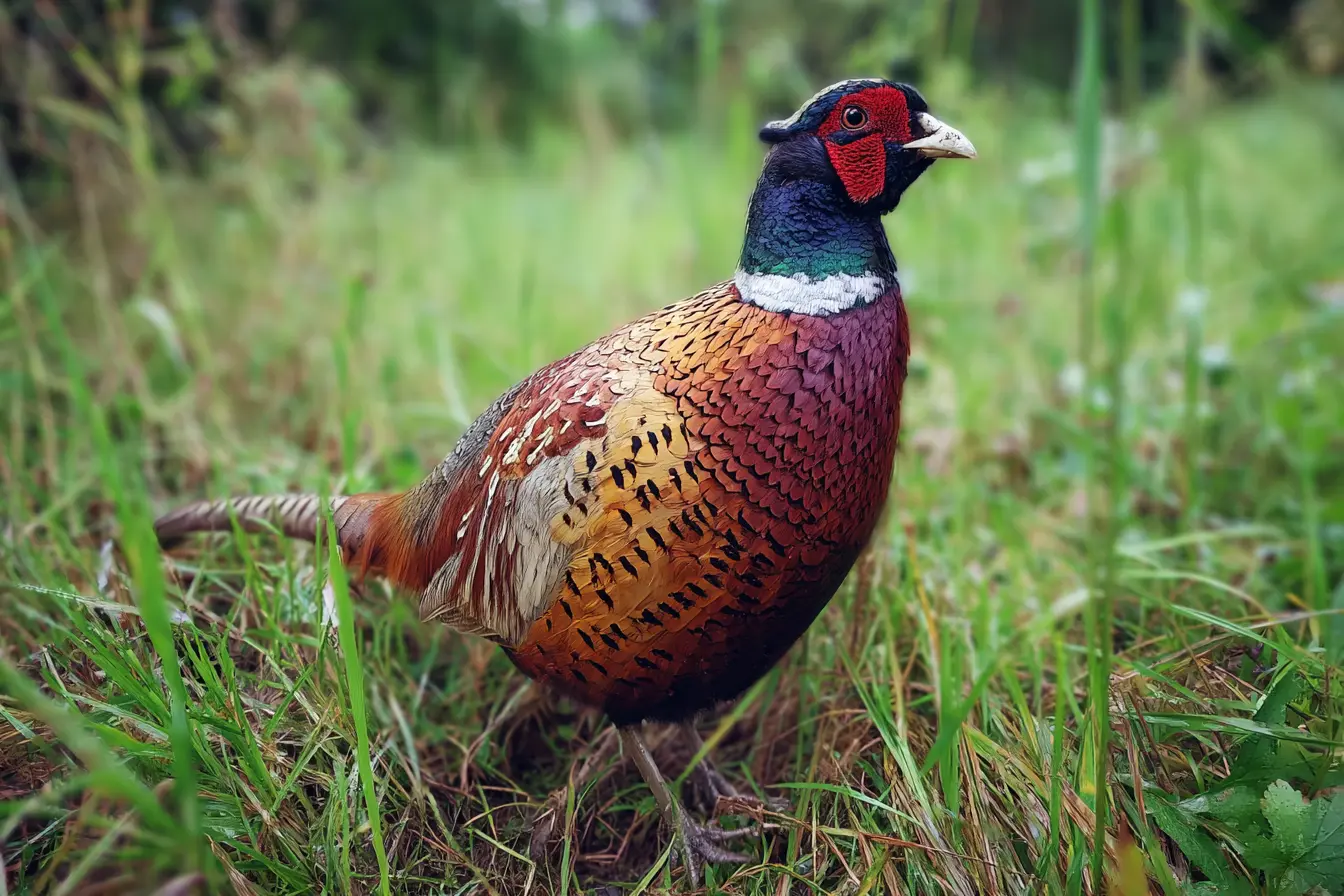
The Common Pheasant is one of Britain’s most recognisable game birds. With its vibrant plumage, elegant posture, and long tail, it has become an enduring feature of the British countryside. Originally native to Asia, the species (Phasianus colchicus) was introduced to the UK centuries ago and has since become naturalised.
Today, pheasants are kept across the UK for game management, conservation, ornamental purposes, and breeding. This guide explains everything you need to know about keeping pheasants successfully and responsibly, from housing and feeding to breeding, health, and legal obligations.
Understanding the Common Pheasant
The Common Pheasant, also known as the Ring-necked Pheasant, belongs to the Phasianidae family. It is a medium-sized ground-dwelling bird with strong legs, a long tail, and a preference for open countryside interspersed with woodland.
Key Characteristics
Scientific name: Phasianus colchicus
Size: Around 70–90 cm in length (males longer due to tail)
Weight: 1–1.5 kg for males, 0.9–1.2 kg for females
Lifespan: 2–3 years in the wild, up to 10 years in captivity
Behaviour: Ground-nesting, polygamous, and territorial during breeding season
Diet: Seeds, grains, berries, leaves, and insects
Male pheasants (cocks) are highly decorative, with iridescent green, blue, and bronze plumage, a white neck ring, and long tail feathers. Females (hens) are mottled brown and more camouflaged, providing natural protection when nesting.
Legal Considerations
In the UK, the Common Pheasant is classed as a game bird, and keeping or breeding them is subject to relevant wildlife and welfare legislation.
Key Laws and Regulations
Game Act 1831: Regulates the shooting seasons and management of game species.
Wildlife and Countryside Act 1981: Makes it illegal to release non-native birds into the wild outside of approved species lists. Pheasants are exempt as they are established residents.
Animal Welfare Act 2006: Requires that all kept birds are housed, fed, and managed in ways that meet their welfare needs.
The Game Bird (Welfare) Code of Practice: Provides official guidance on rearing, releasing, and caring for game birds to high welfare standards.
No licence is needed to keep pheasants domestically or for ornamental purposes. However, if you are breeding or releasing large numbers for shooting, you may need to register your premises with the Animal and Plant Health Agency (APHA).
Housing and Enclosures
Pheasants require spacious, secure, and well-structured housing to thrive. The exact setup depends on whether they are being kept for breeding, ornamental purposes, or release.
Rearing Pens
Chicks (known as poults) start life in heated brooder houses before moving to rearing pens.
Temperature: 35°C for newly hatched chicks, reduced by 3°C each week until they are fully feathered.
Flooring: Clean, dry bedding such as wood shavings or chopped straw.
Lighting: Low, warm lighting encourages feeding and reduces stress.
Hygiene: Maintain high cleanliness to prevent disease.
Once the birds are feathered (around 5–6 weeks), they can be transferred to outdoor rearing pens.
Outdoor Pens
Size: Minimum 2 square metres per bird; larger pens reduce stress and feather damage.
Fencing: 2 metres high with fine mesh and a secure roof net.
Ground cover: Mixture of grass, shrubs, and artificial cover to mimic natural habitat.
Shelter: Provide low shelters or brush piles to protect from rain and predators.
Feeders and drinkers: Spread throughout the pen to prevent competition.
Pens should be positioned on well-drained land, ideally near hedges or woodland edges, and rotated annually to prevent disease build-up.
Free-Range and Release Systems
In larger estates or rural areas, pheasants can be kept in free-range or semi-wild conditions. Release pens are commonly used to allow gradual acclimatisation to the wild.
Location: Sheltered areas with woodland and nearby open ground.
Design: A covered pen where young birds can adapt to outdoor conditions before release.
Timing: Releases usually take place from July to September.
Free-range pheasants should always have access to supplementary feed and water to ensure their health and to encourage them to remain in the area.
Feeding and Nutrition
Pheasants are omnivorous, with a diet that changes with the seasons. A balanced diet is essential for good feathering, breeding, and overall health.
Feeding Programme
Chicks: Game bird crumb (28–30% protein) for the first 3 weeks.
Growers: Game bird pellets (20–22% protein) from 3–8 weeks.
Adults: Maintenance or layer pellets (16–18% protein) with access to grains and greens.
Supplement with:
Wheat, maize, or barley.
Greens such as lettuce, clover, or dandelion leaves.
Mealworms or insects for breeding birds.
Grit to aid digestion.
Provide fresh water at all times. Use raised or heavy drinkers to prevent tipping and contamination.
Seasonal Feeding
Spring: Add extra vitamins and minerals to support breeding and egg production.
Summer: Maintain access to protein-rich feeds for growing poults.
Winter: Offer high-energy grains to help birds maintain condition during cold weather.
Scatter feeding helps mimic natural foraging and reduces aggression.
Breeding and Reproduction
Breeding pheasants can be rewarding, but it requires space, careful management, and attention to detail.
Breeding Season
Breeding typically runs from April to June. Pheasants are polygamous, so one cock can mate with up to eight hens. However, overstocking can lead to fighting and feather damage.
Housing for Breeding
Provide separate pens for each breeding group.
Supply natural cover or nesting boxes made from straw or heather.
Ensure quiet surroundings to reduce stress.
Egg Laying and Incubation
Hens lay 40–60 eggs per season under optimal conditions.
Eggs should be collected daily and stored at around 15°C with 70% humidity until incubation.
Artificial incubation:Temperature: 37.5°C
Humidity: 50–55%, increasing to 65% for hatching
Turning: At least three times daily until day 22
Incubation period: 24–25 days
Chicks should be transferred to a warm brooder as soon as they hatch.
Health and Disease Management
Pheasants are hardy birds but can be prone to diseases if kept in crowded or unhygienic conditions.
Common Health Problems
Coccidiosis: A parasitic disease of the gut; prevent with clean housing and medicated feed.
Worms: Regular worming every 3–4 months for outdoor birds.
Hexamitiasis: A protozoal infection affecting young birds.
Respiratory illness: Caused by damp, dusty environments or poor ventilation.
Feather pecking: Often due to overcrowding or nutritional imbalance.
Preventative Measures
Disinfect pens regularly and rest ground between seasons.
Rotate pens annually to reduce disease build-up.
Quarantine new birds before introducing them to existing stock.
Avoid overstocking and ensure adequate ventilation.
If illness occurs, consult an avian or game bird veterinarian promptly.
Predator Control and Safety
Predators such as foxes, stoats, rats, and raptors are a constant risk to pheasants. Protect your birds by:
Installing electric fencing or buried mesh around pens.
Using netting over pens to prevent aerial attacks.
Keeping feed areas clean to deter rodents.
Providing low shelters or artificial cover for protection.
Predator management must always comply with UK wildlife protection laws.
Behaviour and Temperament
Pheasants are intelligent and active birds. Males can be aggressive during the breeding season, so they should be separated or provided with sufficient space and visual barriers.
They prefer running to flying, enjoy dust bathing, and spend much of the day foraging. Quiet, consistent routines help reduce stress and flightiness.
Winter Care
Common Pheasants tolerate cold weather well but require shelter from wind and prolonged rain.
Provide dry, draught-free housing with deep bedding such as straw.
Ensure food and water remain available and unfrozen.
Increase carbohydrate-rich feed to maintain body heat.
Reduce handling and disturbances during severe weather.
Record Keeping
Good record keeping supports health, welfare, and breeding management. Keep detailed notes on:
Breeding pairs and hatch rates.
Feed and medication schedules.
Mortality rates and causes.
Numbers reared or released.
This information is essential for improving management and demonstrating compliance with welfare standards.
Conservation and Environmental Impact
Pheasants play a complex role in the countryside. While reared widely for shooting, they can also contribute to conservation through habitat management. Well-managed estates support a variety of species including hares, songbirds, and pollinators.
Sustainable pheasant management should focus on:
Maintaining balanced population densities.
Preserving natural habitats such as woodland edges and hedgerows.
Avoiding over-release into sensitive areas.
Reducing reliance on medicated grit through responsible disease control.
The Game & Wildlife Conservation Trust (GWCT) provides excellent advice on sustainable pheasant management and environmental stewardship.
Conclusion
Keeping the Common Pheasant can be a rewarding and educational experience, whether for sport, conservation, or simply the pleasure of seeing these striking birds thrive. Success relies on good husbandry, proper housing, balanced nutrition, and respect for their natural behaviours.
With responsible management and adherence to welfare and environmental standards, pheasants can enrich both the landscape and the lives of those who care for them, a living link between tradition, wildlife, and the modern countryside.
Quick questions
- What should I know about common pheasant?
- Learn all about keeping Common Pheasants in the UK, a popular game bird with vibrant plumage. This guide covers their history, housing, feeding, and breeding requirements. Vet Verified can help you compare UK veterinary practices by location, species, services and opening hours before you call.
- When should I contact a vet about common pheasant?
- Contact a veterinary practice if your pet seems unwell, symptoms are getting worse, you are unsure what to do, or the situation may be urgent. Vet Verified helps you compare practice details, but a vet should advise on your pet's current care.
- Can Vet Verified help me find bird vets?
- Yes. Use Vet Verified to compare bird vets across the UK, then check practice profiles and call directly to confirm current availability.
Find a vet
Find a veterinary practice
Compare UK veterinary practices related to this topic. Call the practice to confirm its current services and availability.