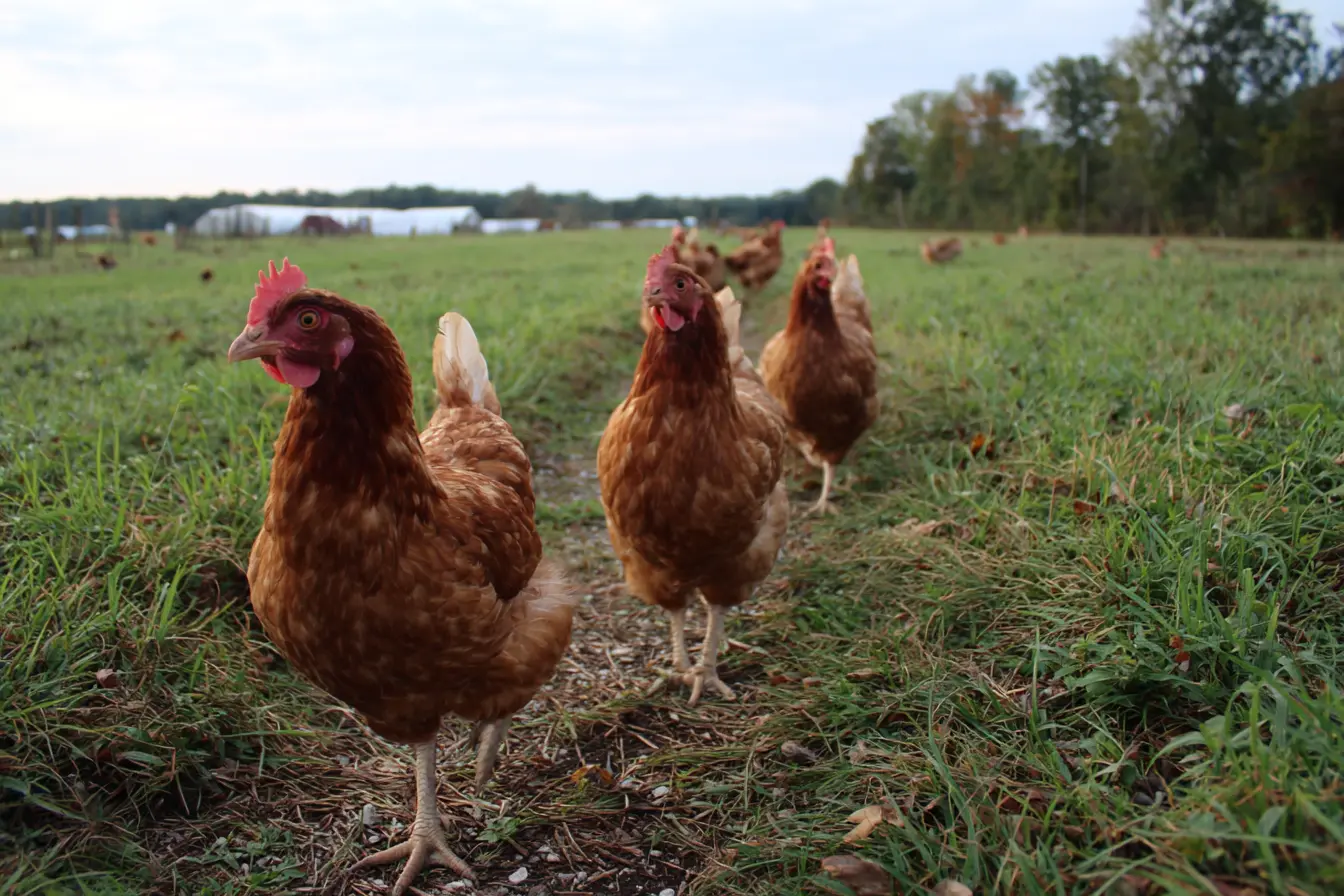
Chickens are often thought of as entirely ground-dwelling birds, but many owners are surprised to discover that chickens can fly, at least to some extent. Whether you’re keeping chickens for eggs, meat or as pets, understanding their flying ability is essential for proper housing, fencing and overall safety.
This guide covers everything chicken owners need to know about whether chickens can fly, how well they fly, what affects their ability and how to manage it responsibly.
Are Chickens Able to Fly?
Yes, chickens can fly, but not in the same way as wild birds. Chickens are capable of:
Short bursts of flight
Jumping and flapping to gain height
Flying up to roosts, fences or trees
Escaping low enclosures
However, chickens are not built for sustained flight. They cannot soar, glide long distances or migrate.
Chickens are classed as poor fliers, but that does not mean they are flightless.
Why Can Chickens Fly at All?
Chickens are descendants of the red junglefowl, a wild bird native to Southeast Asia. Junglefowl regularly fly:
Into trees to roost
To escape predators
Over obstacles
Modern domestic chickens retain these instincts and physical abilities, although selective breeding has reduced them in many breeds.
How Chickens Fly
Chickens fly using:
Powerful leg muscles to jump
Rapid wing flapping to gain lift
Short, controlled glides
Most chicken “flight” looks more like a combination of jumping, flapping and controlled falling rather than true aerial flight.
How High and How Far Can Chickens Fly?
The distance and height a chicken can fly varies greatly.
Typical Flight Ability
Most chickens can:
Fly 1–3 metres (3–10 feet) high
Travel 5–15 metres (15–50 feet) horizontally
This is more than enough to:
Clear garden fences
Jump into trees
Access roofs or sheds
Exceptional Cases
Lightweight or agile breeds may:
Fly over 2 metre fences
Roost high in trees
Escape enclosed runs
Heavier breeds may barely leave the ground.
What Affects a Chicken’s Ability to Fly?
Several factors influence how well a chicken can fly.
Breed Type
Breed is the most important factor.
Good Fliers
Light, active breeds tend to fly well:
Hamburgs
Campines (rare in the UK)
Fayoumis (rare in the UK)
Old English Game
These breeds are alert, agile and prone to escaping.
Poor Fliers
Heavier or utility breeds fly poorly:
Wyandottes
Brahmas
Cochins
These birds are heavier and less inclined to fly.
Very Limited Fliers
Large meat or exhibition breeds:
Cornish
Jersey Giants
These chickens may only manage short hops.
Body Weight
Heavier chickens:
Have less lift
Tire quickly
Are less agile
Lightweight chickens:
Gain height more easily
Travel further
Escape more often
Wing Condition
Fully feathered wings allow flight
Damaged or moulting feathers reduce ability
Wing clipping limits height and distance
Age
Young chickens and pullets fly better
Older birds often lose agility
Growing chicks may flutter short distances
Motivation
Chickens are more likely to fly when:
Escaping predators
Reaching food
Seeking high roosts
Exploring new areas
A calm, secure chicken is less likely to attempt flight.
Why Do Chickens Fly?
Chickens usually fly for practical reasons, not enjoyment.
Escaping Danger
Flying is a natural response to predators such as:
Foxes
Dogs
Birds of prey
Roosting Instinct
Chickens instinctively prefer to sleep off the ground. If given the chance, they may:
Fly into trees
Perch on roofs
Roost on fences
Exploration and Curiosity
Some breeds are naturally inquisitive and will fly simply to explore.
Accessing Food
Chickens may fly onto:
Feed bins
Compost heaps
Garden tables
Can Chickens Fly Over Fences?
Yes, many chickens can easily fly over standard garden fencing.
Fence Heights and Risk
Under 1.2 m (4 ft): Most chickens can clear
1.5 m (5 ft): Many lighter breeds can clear
1.8 m (6 ft): Usually sufficient for most breeds, but not all
Preventing Fence Escapes
Use taller fencing
Angle fencing inward at the top
Cover runs with netting
Clip one wing (if necessary)
Wing Clipping: What You Need to Know
Wing clipping is a common method to reduce flight.
What Is Wing Clipping?
Trimming the primary flight feathers on one wing
Does not hurt when done correctly
Feathers regrow during moulting
Benefits
Reduces ability to gain height
Helps keep chickens contained
Risks and Considerations
Poor clipping can cause imbalance
Does not stop jumping entirely
Must be repeated after moulting
Wing clipping should be done carefully or by an experienced keeper.
Are Chickens That Can’t Fly at Risk?
Chickens that cannot fly may be:
More vulnerable to predators
Less able to escape danger
Reliant on secure housing
However, good coop design can keep all chickens safe regardless of flight ability.
Safety Measures
Secure runs
Covered enclosures
Strong fencing
Predator-proof coops
Good management is more important than flight ability.
Myths About Chickens Flying
“Chickens Can’t Fly”
False. Most chickens can fly short distances.
“Heavy Chickens Are Flightless”
False. Many heavy breeds can still clear low fences.
“Wing Clipping Is Cruel”
False when done correctly. Feathers have no nerve endings.
When Flying Becomes a Problem
Flying may become an issue if chickens:
Escape regularly
Roost in unsafe places
Enter neighbours’ gardens
Access roads or predators
In these cases, containment strategies are essential.
How to Manage Chickens That Fly Well
Provide attractive low roosts
Keep food and water inside runs
Use covered enclosures
Consider wing clipping if needed
Choose breeds carefully for your space
Breed choice is especially important for urban areas or small gardens.
Conclusion
Chickens can fly, just not very far or very gracefully. While they are not true flying birds, most chickens are capable of short bursts of flight that allow them to escape danger, reach roosts and clear fences. The extent of their flying ability depends on breed, weight, age and motivation.
For owners, understanding that chickens can fly is crucial for proper fencing, housing and safety planning. With the right setup, flying behaviour can be managed easily, ensuring your chickens remain safe, secure and stress-free in their environment.
Quick questions
- What should I know about chicken flight?
- Chickens, often seen as ground birds, can indeed fly short distances. This ability is important for their safety and housing needs. Vet Verified can help you compare UK veterinary practices by location, species, services and opening hours before you call.
- When should I contact a vet about chicken flight?
- Contact a veterinary practice if your pet seems unwell, symptoms are getting worse, you are unsure what to do, or the situation may be urgent. Vet Verified helps you compare practice details, but a vet should advise on your pet's current care.
- Can Vet Verified help me find dog vets?
- Yes. Use Vet Verified to compare dog vets across the UK, then check practice profiles and call directly to confirm current availability.
Find a vet
Find a veterinary practice
Compare UK veterinary practices related to this topic. Call the practice to confirm its current services and availability.
Search by species
- Dog vets Find UK veterinary practices that list care for dogs. Compare opening hours, services, facilities and verified profiles, then contact a practice directly.
- Bird vets Find UK veterinary practices that list care for birds. Compare opening hours, services, facilities and verified profiles, then contact a practice directly.