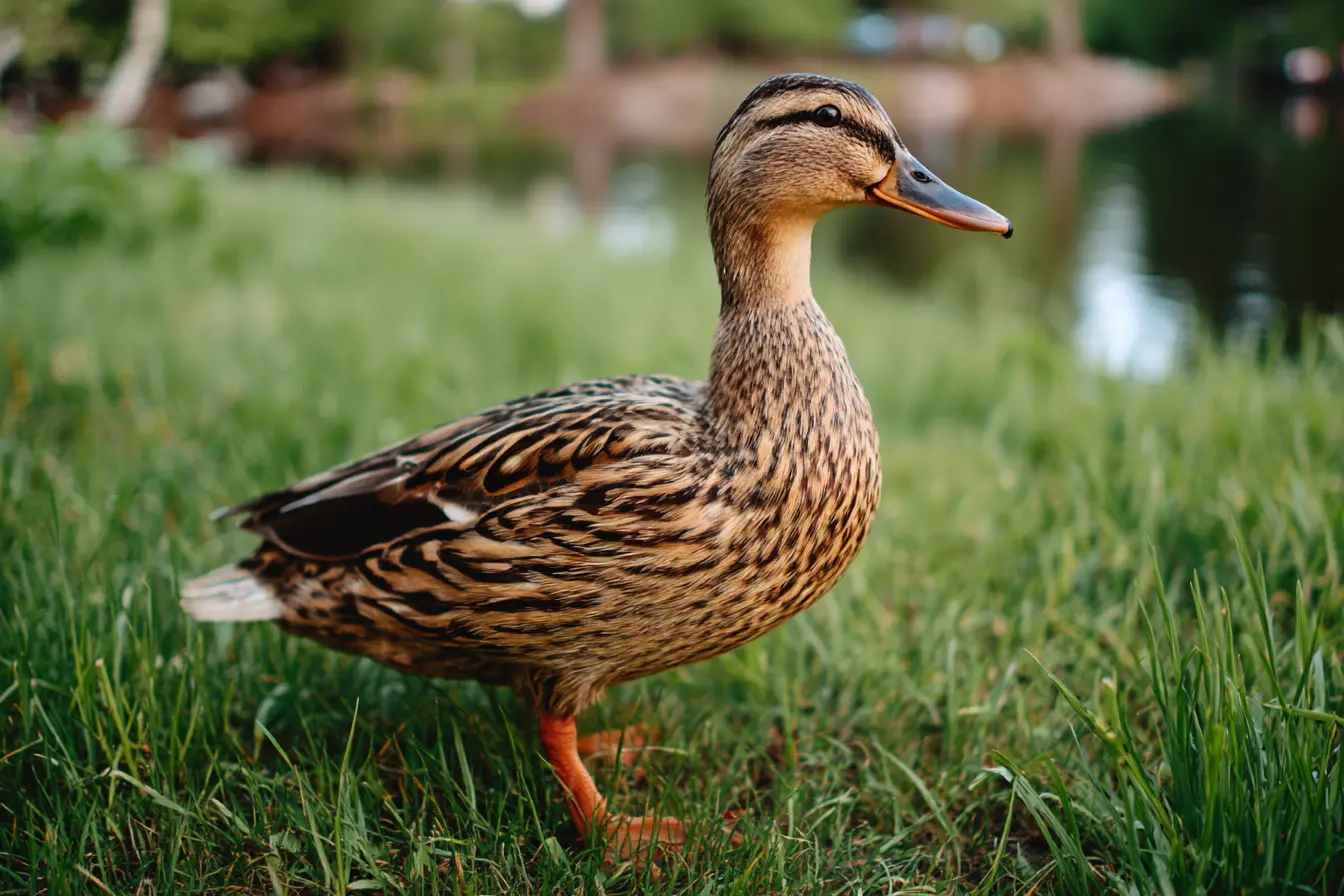
Inner ear infections, while not as commonly discussed as other poultry illnesses, can have a significant impact on a duck’s balance, behaviour, and overall wellbeing. Because ducks rely heavily on their inner ear for orientation and coordination, any disruption can lead to visible signs like head tilting, walking in circles, or loss of balance.
This post explains what causes inner ear infections in ducks, how to recognise them, and what you can do to treat and prevent them in your flock.
What is an Inner Ear Infection?
An inner ear infection—also called otitis interna is an inflammation or infection of the inner structures of the ear. This part of the ear helps control balance and spatial awareness. When inflamed or damaged, ducks may appear dizzy, uncoordinated, or disoriented.
Unlike external ear infections (otitis externa), inner ear infections affect the delicate internal mechanisms and often result in neurological-like symptoms.
Causes of Inner Ear Infections in Ducks
Several factors can lead to inner ear infections in ducks:
Bacterial Infections
Often secondary to respiratory infections or sinusitis
Common culprits: E. coli, Pasteurella multocida, Staphylococcus spp.
Injury or Trauma
Blows to the head, falls, or rough handling may allow bacteria to enter the ear canal or damage the inner structures.
Water in the Ear
Frequent dabbling and swimming in dirty water can introduce bacteria
Poor ear drainage may allow infections to take hold
Underlying Illness
Chronic respiratory disease or immune suppression can increase susceptibility
Symptoms to Look Out For
Signs of inner ear infection in ducks are often confused with neurological disorders, so close observation is important. Look for:
Head tilt (mild to extreme)
Loss of balance or unsteady gait
Walking in circles or constant turning to one side
Inability to stand or falling over
Eye flickering (nystagmus)
Lethargy or withdrawal from the flock
In some cases, discharge or swelling near the ear area
Ducks with inner ear infections often retain their appetite and awareness, unlike those suffering from brain infections or severe systemic illness.
Diagnosis
There’s no simple test to confirm inner ear infections without veterinary tools, but a diagnosis can be made based on:
Observation of head tilt and balance issues
Elimination of other causes (e.g. wry neck, niacin deficiency, viral illness)
Response to antibiotics
In severe cases or when the infection doesn't respond to treatment, a vet may perform imaging or bloodwork to investigate further.
Treatment
Early intervention offers the best chance of recovery. Treatment usually involves:
Antibiotics
Broad-spectrum antibiotics such as amoxicillin, enrofloxacin, or oxytetracycline
Always consult a poultry-savvy vet for correct dosage and duration
Supportive Care
Keep the duck in a quiet, safe space with soft bedding
Provide food and water in easy-to-reach containers
Minimise stress and avoid exposure to predators or aggressive flock mates
Gently assist with feeding if the bird struggles to coordinate movements
Pain Relief
Your vet may prescribe anti-inflammatories to reduce discomfort and swelling
With prompt treatment, most ducks recover within 1–2 weeks, though mild head tilt may persist long-term in some cases.
Prevention
While not all inner ear infections are preventable, good husbandry goes a long way. Try the following:
Provide clean swimming and drinking water daily
Avoid overcrowding, which increases stress and disease spread
Keep housing clean and well-ventilated
Treat respiratory illnesses early to prevent secondary ear infections
Avoid excessive handling or injury, especially in young or vulnerable ducks
Inner Ear Infections vs Other Conditions
Because inner ear infections can mimic other health problems, it's important to rule out:
Torticollis (wry neck): Often caused by vitamin E/selenium deficiency
Niacin deficiency: Can cause balance issues and weakness
Riemerella anatipestifer: Bacterial infection that causes neurological signs
Meningitis: Severe infection of the brain causing similar symptoms but with more serious progression
If you’re unsure of the cause, consult a vet as soon as possible.
Key Takeaways
Inner ear infections cause head tilt, loss of balance, and circling behaviour in ducks
They are usually caused by bacterial infection, injury, or dirty water
Treatment with antibiotics and supportive care is effective in most cases
Clean housing, fresh water, and early treatment of illness help prevent outbreaks
Always consult a vet for a proper diagnosis and treatment plan
Final Thoughts
Inner ear infections can be frightening to witness, especially when a duck appears disoriented or unable to walk properly. However, with prompt care and attention, most ducks make a full recovery. As always, prevention is better than cure, so keep water clean, act early on infections, and monitor your birds closely for changes in behaviour or posture.
Quick questions
- What should I know about inner ear infections in ducks?
- Inner ear infections in ducks affect their balance and behaviour due to issues in the ear's internal structures. Causes include bacterial infections, injury, dirty water, and underlying illnesses. Vet Verified can help you compare UK veterinary practices by location, species, services and opening hours before you call.
- When should I contact a vet about inner ear infections in ducks?
- Contact a veterinary practice if your pet seems unwell, symptoms are getting worse, you are unsure what to do, or the situation may be urgent. Vet Verified helps you compare practice details, but a vet should advise on your pet's current care.
- Can Vet Verified help me find bird vets?
- Yes. Use Vet Verified to compare bird vets across the UK, then check practice profiles and call directly to confirm current availability.
Find a vet
Find a veterinary practice
Compare UK veterinary practices related to this topic. Call the practice to confirm its current services and availability.