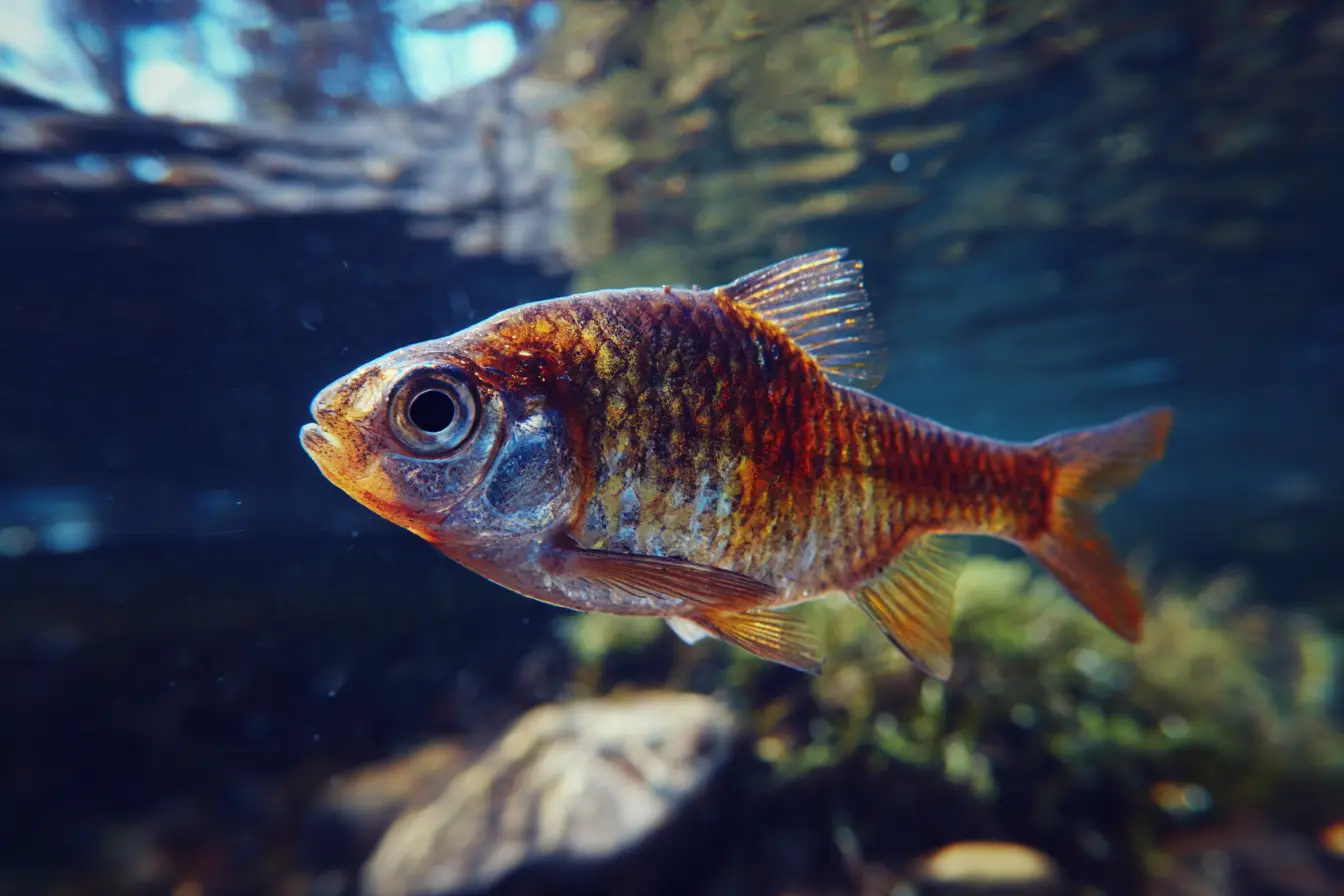
Bitterling are one of the more unusual and captivating fish you can keep in a garden pond. These small, attractive fish are known not only for their bright colours but also for their fascinating breeding behaviour involving freshwater mussels. Although bitterling are hardy and adaptable, they have unique needs that set them apart from more common pond fish like goldfish or koi. Here’s everything you need to know about keeping bitterling in your pond.
What Are Bitterling?
The European bitterling (Rhodeus amarus) is a small, native fish with:
Silvery bodies: Often with an iridescent sheen.
Breeding colours: In spring, males develop a bright pink flush along their bellies and shimmering blue stripes along their flanks.
Fascinating breeding behaviour: Females lay their eggs inside live freshwater mussels, and the fry are protected by the mussel’s gills until they hatch.
Typically reaching 5–8 cm (2–3 inches), bitterling are peaceful, shoaling fish that add life and colour to your pond.
Pond Requirements for Bitterling
Pond Size and Depth
Bitterling are small and don’t need a huge pond, but they do require enough space to swim and shoal:
Minimum pond size: Around 500 litres (110 gallons) for a small group.
Pond depth: At least 45 cm (18 inches), though 60 cm or more is better for winter survival and protection from predators.
Bitterling should always be kept in groups of at least five or more, as they are social fish that thrive in shoals.
Filtration and Aeration
Good water quality is essential for keeping bitterling healthy:
Filtration: A filter that provides both mechanical and biological filtration will help remove waste and keep water clear.
Aeration: Air stones, waterfalls, or fountains help maintain oxygen levels, which is particularly important in warm weather.
Planting and Habitat
A natural, well-planted pond is perfect for bitterling:
Marginal plants: Plants like water iris, marsh marigold, and reeds provide cover and shade.
Submerged plants: Hornwort, water milfoil, and elodea offer shelter and areas to explore.
Floating plants: Duckweed and water lilies help provide shade and reduce algae.
A varied habitat also creates opportunities for freshwater mussels to thrive, which are essential for the bitterling’s unique breeding.
The Role of Freshwater Mussels
Bitterling have a special relationship with freshwater mussels, such as the swan mussel (Anodonta cygnea). During breeding:
Female bitterling: Uses an ovipositor to lay eggs inside the mussel’s gills.
Mussel’s role: The mussel provides protection and oxygenated water for the developing fry.
Mutual benefit: The mussel’s larvae (glochidia) attach to fish gills and disperse to new areas, benefiting both species.
If you plan to breed bitterling, ensure your pond has a healthy population of native freshwater mussels. Otherwise, bitterling can still thrive as ornamental fish.
Water Quality
Stable water quality is essential:
pH: Aim for 7.0–8.0.
Ammonia and nitrite: Must be zero.
Nitrate: Ideally below 40 ppm to avoid algae problems.
Test water weekly in summer and do partial water changes (10–20%) as needed to maintain balance.
Feeding Bitterling
Bitterling are omnivorous and will happily graze on natural pond life:
Natural diet: Insect larvae, small crustaceans, algae, and zooplankton.
Supplemental feeding: Small sinking micro pellets, crushed flake food, or natural pond fish food.
Live and frozen foods: Occasional treats like bloodworms, daphnia, and mosquito larvae mimic their natural diet.
Feed once or twice daily in warmer months, only as much as they can eat in a few minutes. Reduce feeding in autumn and stop altogether once temperatures consistently drop below 10°C.
Seasonal Care
Spring
Clean and inspect pond equipment, and restart filtration and aeration.
Begin feeding once temperatures stay above 10°C.
Look for breeding behaviour in males and females, particularly if mussels are present.
Summer
Provide plenty of shade to reduce water temperatures and algae growth.
Ensure good oxygenation during hot weather.
Feed regularly but avoid overfeeding.
Autumn
Gradually reduce feeding as temperatures drop.
Remove fallen leaves and tidy the pond to maintain good water quality.
Prune dying plants and remove decaying material.
Winter
Stop feeding once temperatures are below 10°C.
Keep a small hole in the ice using an air stone, pond heater, or de-icer for gas exchange.
Avoid disturbing bitterling as they rest in deeper water.
Health and Common Issues
Bitterling are generally hardy, but watch for:
Lethargy or gasping at the surface: Often caused by low oxygen or poor water quality.
White spot (Ich): Small white cysts on fins or body.
Fungal or bacterial infections: Watch for red streaks, ulcers, or white, cottony growths.
Regular testing and prompt action will help prevent problems.
Introducing Bitterling to Your Pond
When adding new bitterling:
Acclimatise: Float the transport bag in your pond for 15–20 minutes, then gradually add pond water before gently releasing them.
Introduce in small groups: Encourages natural shoaling behaviour and reduces stress.
Bitterling generally coexist peacefully with other small, native pond fish like rudd, minnows, and sticklebacks.
Supporting a Wildlife-Friendly Pond
Bitterling are ideal for wildlife-friendly ponds:
Native species: They support the natural pond ecosystem and encourage biodiversity.
Peaceful and natural: Their small size and gentle behaviour make them excellent companions for frogs, newts, and insects.
Natural pest control: Bitterling feed on insects and larvae, helping maintain a balanced pond environment.
Conclusion
Bitterling are a beautiful, fascinating choice for garden ponds, offering a glimpse of natural British pond life and unique breeding behaviour. With clean water, a well-planted habitat, and a mindful feeding routine, bitterling will thrive and bring life and colour to your pond for years to come.
Quick questions
- What should I know about bitterling?
- Bitterling fish are a unique and colourful addition to UK garden ponds. Known for their breeding habits with freshwater mussels, they need space to swim in groups and a well-planted habitat. Vet Verified can help you compare UK veterinary practices by location, species, services and opening hours before you call.
- When should I contact a vet about bitterling?
- Contact a veterinary practice if your pet seems unwell, symptoms are getting worse, you are unsure what to do, or the situation may be urgent. Vet Verified helps you compare practice details, but a vet should advise on your pet's current care.
- Can Vet Verified help me find exotic vets?
- Yes. Use Vet Verified to compare exotic vets across the UK, then check practice profiles and call directly to confirm current availability.
Find a vet
Find a veterinary practice
Compare UK veterinary practices related to this topic. Call the practice to confirm its current services and availability.