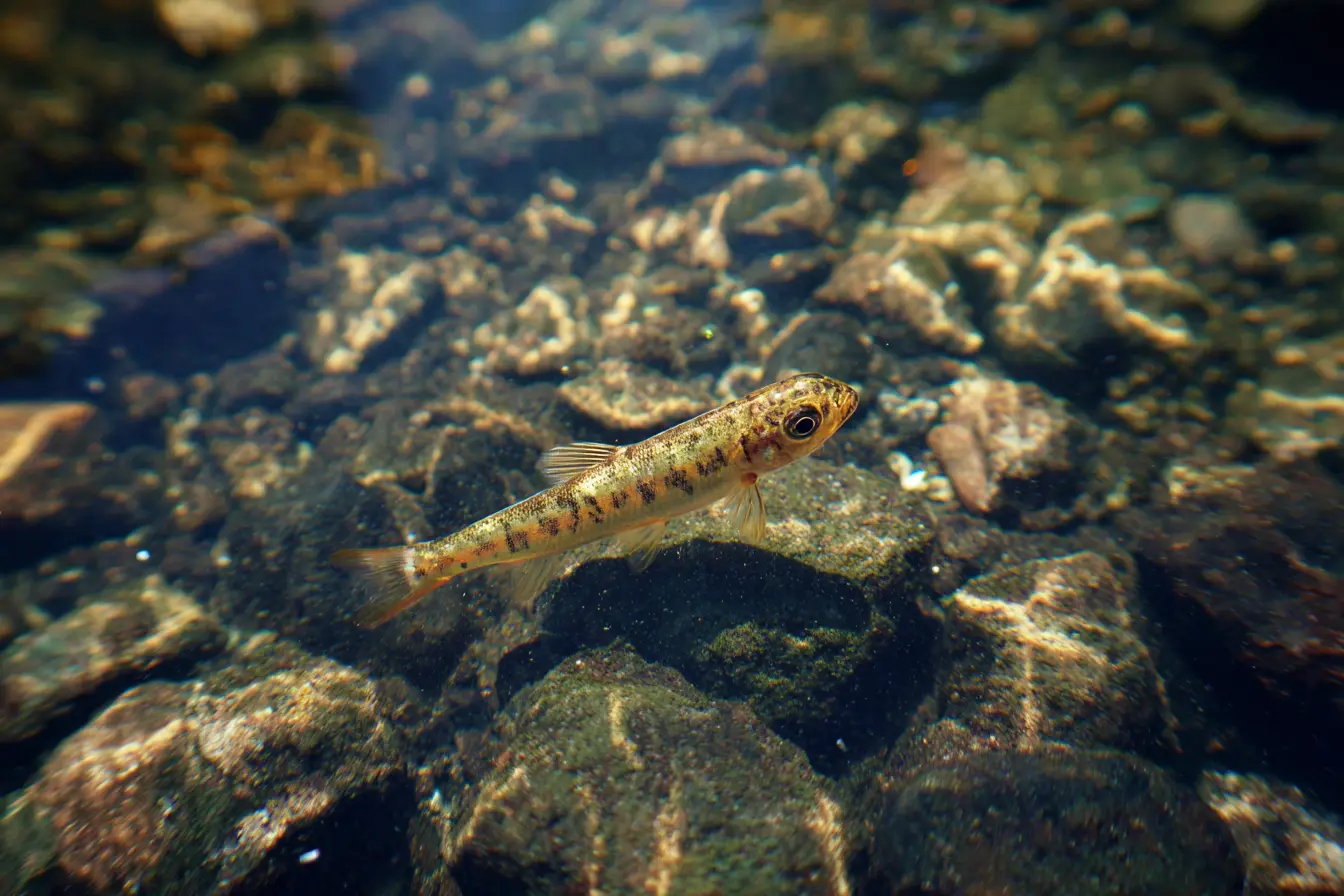
Minnows, also known as the common minnow (Phoxinus phoxinus), are small, lively fish that can add movement and diversity to garden ponds. Native to British streams and rivers, minnows are perfectly adapted to UK climates and make an excellent addition to natural or wildlife-style ponds. Here’s a detailed guide on how to care for these charming little fish.
What Are Minnows?
Minnows are small, schooling fish that rarely grow larger than 10 cm (4 inches). They have:
Slender bodies: Typically silver with a hint of green or brown.
Subtle markings: Darker stripes and small scales give them a delicate, shimmery look.
Active behaviour: Minnows are lively swimmers, especially when kept in groups.
They’re hardy and adaptable, making them a good choice for smaller garden ponds or for adding biodiversity to a natural pond.
Pond Requirements for Minnows
Pond Size and Depth
Minnows don’t need a huge pond, but they do appreciate space to swim and places to hide.
Minimum pond size: Around 500 litres (110 gallons) is suitable for a small shoal.
Depth: At least 45 cm (18 inches), though deeper is better to protect them from predators and temperature fluctuations.
Because minnows are schooling fish, always keep them in groups of at least five or more.
Filtration and Aeration
Minnows are tolerant of a range of conditions, but a well-filtered pond will ensure they stay healthy and active.
Filtration: A basic filter system helps keep water clear and removes harmful waste.
Aeration: Air stones or waterfalls will help maintain good oxygen levels, particularly important in warm weather.
Planting and Habitat
Minnows love well-planted ponds:
Marginal plants: Iris, marsh marigold, and water mint create shade and safe hiding places.
Submerged oxygenators: Hornwort and water milfoil provide cover and help keep water clean.
Floating plants: Duckweed and water lilies offer shade and reduce algae growth.
A varied, natural habitat will encourage natural behaviours and support other pond life.
Water Quality
Stable, good-quality water is essential:
pH: Between 7.0 and 8.0.
Ammonia and nitrite: Both should be zero.
Nitrate: Ideally below 40 ppm to reduce algae blooms.
Test water regularly, especially in summer, and perform partial water changes (10–20%) as needed.
Feeding Minnows
Minnows are opportunistic feeders:
Natural diet: Insects, larvae, and small crustaceans they find in the pond.
Supplemental food: Crushed flake food or small pond fish pellets.
Live and frozen treats: Bloodworms, daphnia, and mosquito larvae support natural foraging behaviour.
Feed once or twice daily in warm months, but only as much as they can eat in a few minutes. Reduce feeding in autumn and stop altogether once temperatures consistently drop below 10°C.
Seasonal Care
Spring
Check and clean filtration and aeration equipment.
Begin feeding as temperatures rise above 10°C.
Perform partial water changes to refresh water quality.
Summer
Monitor oxygen levels, particularly during hot weather.
Provide shaded areas to help control water temperature.
Avoid overfeeding to prevent water quality issues.
Autumn
Reduce feeding gradually as temperatures drop.
Remove fallen leaves to prevent decay and water quality issues.
Prune pond plants and tidy around the pond.
Winter
Stop feeding once water temperatures are below 10°C.
Keep an area of the pond ice-free using a pond heater, air stone, or de-icer to allow for gas exchange.
Avoid disturbing minnows as they rest in deeper water.
Health and Common Issues
Minnows are generally hardy, but poor water quality can cause problems:
Lethargy or gasping at the surface: Often a sign of low oxygen or poor water conditions.
White spot (Ich): Tiny white cysts on fins and skin.
Fungal infections: White, cotton-like growths.
Regular testing and maintenance will prevent most issues. If you see problems, test water and treat any issues promptly.
Introducing Minnows to Your Pond
When adding new minnows:
Acclimatise slowly: Float the transport bag in the pond for 15–20 minutes, then add pond water gradually before release.
Add in small groups: To reduce stress and encourage natural schooling behaviour.
Minnows generally integrate well with other peaceful, small pond fish.
Supporting a Natural Pond Ecosystem
Minnows are perfect for wildlife-friendly ponds:
Promote biodiversity: They add another level to your pond’s food web.
Natural pest control: Eating insects and larvae helps keep pond ecosystems balanced.
Peaceful: Minnows coexist well with frogs, newts, and small pond fish like rudd or sticklebacks.
Conclusion
Minnows may be small, but they can play a big part in your pond’s beauty and balance. With a natural pond environment, good water quality, and care throughout the seasons, your minnows will thrive and bring life and movement to your garden for years to come.
Quick questions
- What should I know about minnows?
- Minnows, or Phoxinus phoxinus, are small fish ideal for UK garden ponds. They are suited to British climates and require a pond of at least 500 litres with a depth of 45 cm. Vet Verified can help you compare UK veterinary practices by location, species, services and opening hours before you call.
- When should I contact a vet about minnows?
- Contact a veterinary practice if your pet seems unwell, symptoms are getting worse, you are unsure what to do, or the situation may be urgent. Vet Verified helps you compare practice details, but a vet should advise on your pet's current care.
- Can Vet Verified help me find exotic vets?
- Yes. Use Vet Verified to compare exotic vets across the UK, then check practice profiles and call directly to confirm current availability.
Find a vet
Find a veterinary practice
Compare UK veterinary practices related to this topic. Call the practice to confirm its current services and availability.