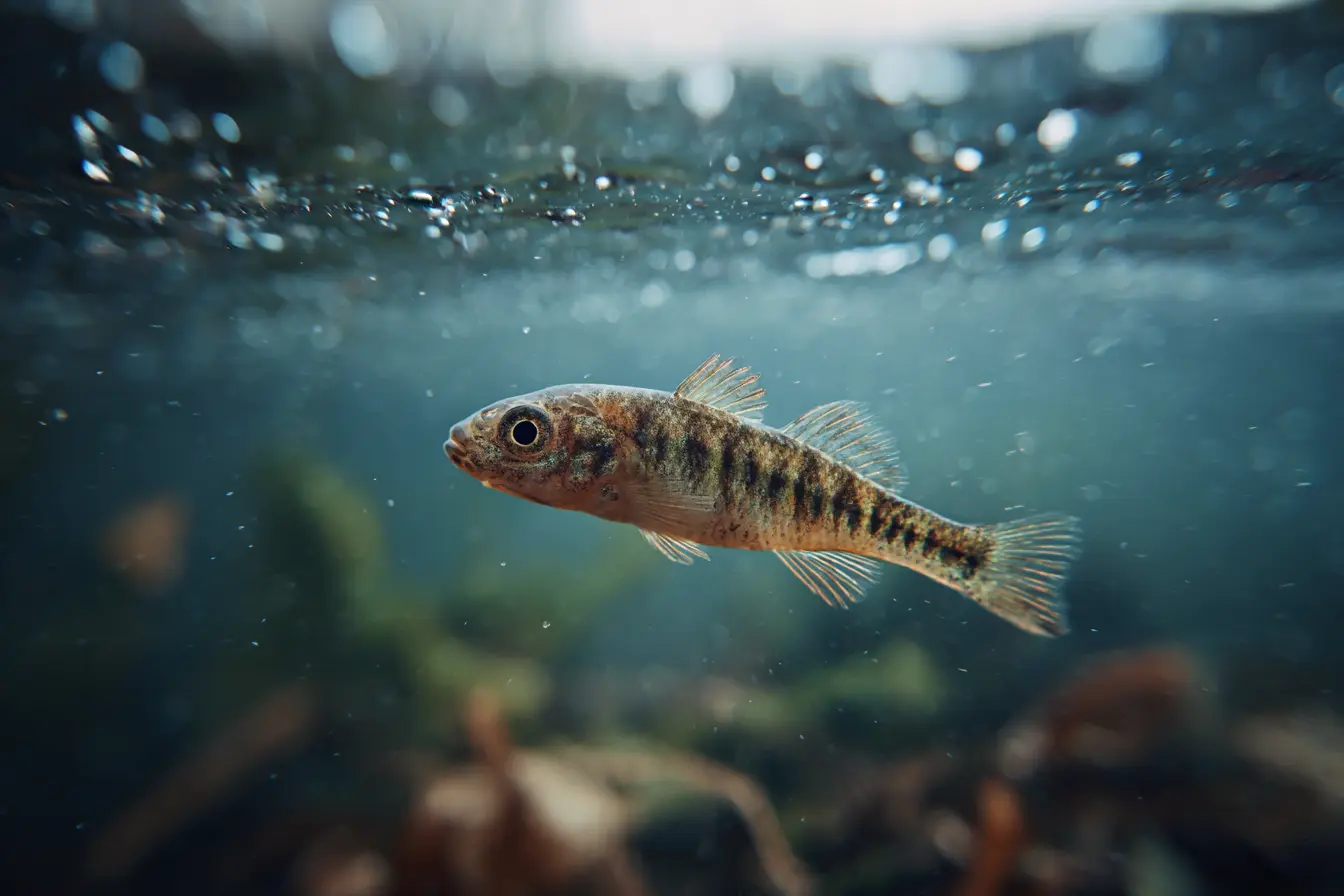
Gudgeon are a charming addition to natural or wildlife-style garden ponds. These small, bottom-dwelling fish are native to the UK and known for their peaceful nature and unique foraging behaviour. While they’re not as commonly kept as goldfish or koi, they play an important role in the pond ecosystem and can thrive with the right care. Here’s everything you need to know about keeping gudgeon in your pond.
What Are Gudgeon?
Gudgeon (Gobio gobio) are small, slender fish typically found in slow-moving streams, rivers, and ponds across the UK. They have:
Silvery-brown colouration: Blending well into the pond bottom.
Barbels on the mouth: Used to search for food in sediment.
Bottom-dwelling behaviour: Gudgeon spend much of their time rooting around for invertebrates and detritus.
They usually grow to around 10–15 cm (4–6 inches) and are peaceful, making them excellent for wildlife-friendly ponds.
Pond Requirements for Gudgeon
Pond Size and Depth
Gudgeon are small and don’t require huge ponds, but they do need enough space to forage and feel secure.
Minimum pond size: Around 500 litres (110 gallons) for a small shoal.
Pond depth: At least 45 cm (18 inches), with deeper areas (up to 1 metre) providing protection from temperature swings and predators.
Gudgeon are social fish and prefer to be kept in small groups of at least five or more.
Filtration and Aeration
Gudgeon tolerate a range of conditions, but clean, oxygen-rich water is vital:
Filtration: A basic pond filter that includes mechanical and biological filtration will help keep the water clear and remove harmful waste.
Aeration: Air stones, waterfalls, or fountains ensure good oxygen levels, especially in summer when warm water holds less oxygen.
Substrate and Habitat
Gudgeon love to forage in soft substrates:
Pond bottom: A layer of smooth gravel, sand, or fine pond soil gives them a natural environment for searching out food.
Plants: Marginal plants, submerged oxygenators, and floating plants help maintain water quality and provide shelter.
A varied habitat with plenty of nooks and crannies encourages natural behaviour and supports the pond’s wider ecosystem.
Water Quality
While gudgeon are generally hardy, stable water quality is key:
pH: Between 7.0 and 8.0.
Ammonia and nitrite: Must be zero, as these are toxic.
Nitrate: Keep below 40 ppm to discourage algae growth.
Test water weekly during the summer and perform partial water changes (10–20%) as needed.
Feeding Gudgeon
Gudgeon are bottom-feeders and will happily forage for natural foods:
Natural diet: Insect larvae, small crustaceans, worms, and organic detritus found on the pond floor.
Supplemental feeding: Sinking micro pellets or crushed pond fish food that reaches the bottom.
Live and frozen foods: Occasional treats like bloodworms, daphnia, or chopped earthworms support natural behaviour and boost nutrition.
Feed once or twice daily in the warmer months, only as much as they can eat within a few minutes. Reduce feeding in autumn and stop altogether when water temperatures consistently drop below 10°C.
Seasonal Care
Spring
Clean and check pond equipment, including filters and aerators.
Resume feeding when temperatures are above 10°C.
Perform partial water changes to refresh water quality.
Summer
Ensure good oxygenation, especially during hot spells.
Provide shaded areas to reduce water temperature fluctuations.
Avoid overfeeding to keep water clean.
Autumn
Gradually reduce feeding as temperatures drop.
Remove fallen leaves to prevent decay and maintain water quality.
Prune pond plants and tidy around the pond.
Winter
Stop feeding when temperatures consistently fall below 10°C.
Keep a small hole in the ice using an air stone, pond heater, or de-icer to allow gas exchange.
Avoid disturbing gudgeon as they rest near the pond bottom during cold months.
Health and Common Issues
Gudgeon are generally robust, but poor water quality can lead to problems:
Lethargy or gasping at the surface: Often a sign of low oxygen or poor water quality.
White spot (Ich): Small white cysts on fins and body.
Fungal or bacterial infections: Watch for red streaks or white, cottony growths.
If you notice issues, test the water and treat any problems promptly with pond-safe medications.
Introducing Gudgeon to Your Pond
When adding new gudgeon:
Acclimatise slowly: Float the transport bag in the pond for 15–20 minutes, then add pond water gradually before gently releasing them.
Add in small groups: Minimises stress and encourages natural shoaling behaviour.
Gudgeon generally mix well with other peaceful pond fish like minnows, sticklebacks, and rudd.
Supporting a Balanced Pond Ecosystem
Gudgeon are perfect for natural, wildlife-friendly ponds:
Ecosystem role: They help keep the pond floor clean by foraging through sediment.
Peaceful nature: They coexist well with other native pond species.
Wildlife benefits: A well-planted pond with gudgeon supports a thriving ecosystem for frogs, newts, and insects.
Conclusion
Gudgeon may be small, but they bring character and natural beauty to your pond. With clean water, a varied habitat, and a mindful feeding routine, your gudgeon will thrive and contribute to a balanced, lively pond for years to come.
Quick questions
- What should I know about gudgeon?
- Gudgeon are small UK-native fish ideal for wildlife-style garden ponds. Known for their gentle nature and unique foraging habits, they are less common than goldfish but play a key role in the pond ecosystem. Vet Verified can help you compare UK veterinary practices by location, species, services and opening hours before you call.
- When should I contact a vet about gudgeon?
- Contact a veterinary practice if your pet seems unwell, symptoms are getting worse, you are unsure what to do, or the situation may be urgent. Vet Verified helps you compare practice details, but a vet should advise on your pet's current care.
- Can Vet Verified help me find exotic vets?
- Yes. Use Vet Verified to compare exotic vets across the UK, then check practice profiles and call directly to confirm current availability.
Find a vet
Find a veterinary practice
Compare UK veterinary practices related to this topic. Call the practice to confirm its current services and availability.