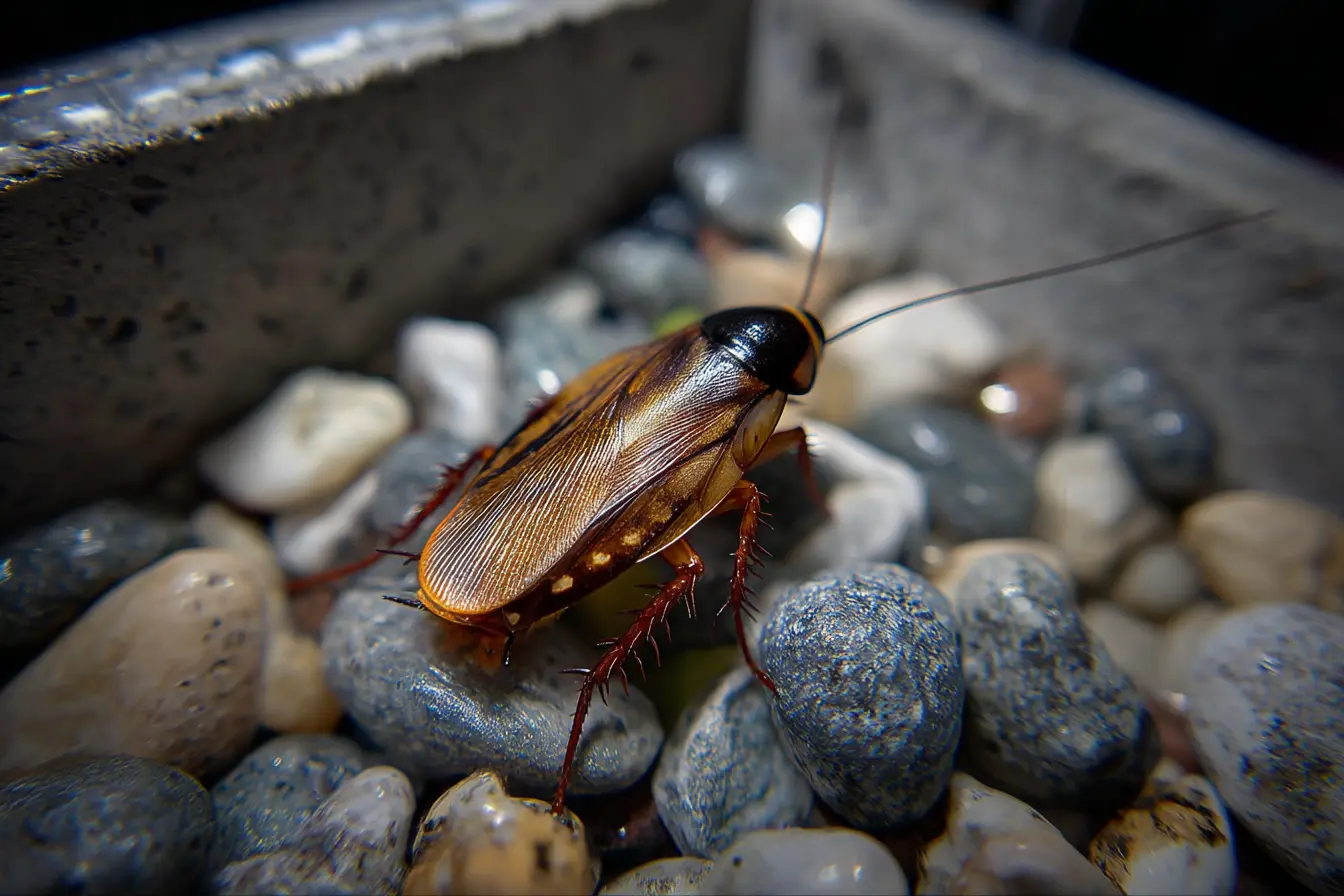
The Surinam roach (Pycnoscelus surinamensis) is a fascinating, burrowing cockroach known for its unique method of reproduction and peaceful nature. Often found in tropical and subtropical regions worldwide, this species is parthenogenetic—meaning all individuals are female and reproduce without mating. Their simple care requirements and prolific breeding make them a favourite for insect keepers and reptile owners in need of reliable feeders.
In this care guide, we’ll cover everything you need to know about keeping and breeding Pycnoscelus surinamensis successfully in captivity.
What is a Surinam Roach?
Originally native to Southeast Asia, the Surinam roach has established populations in warm regions around the world. It thrives in moist, underground environments and spends most of its life burrowed in substrate. Its gentle temperament and parthenogenetic reproduction make it an unusual and interesting addition to any invertebrate collection.
Key Characteristics:
Scientific name: Pycnoscelus surinamensis
Size: 1.8–2.5 cm (0.7–1 inch)
Lifespan: 6–12 months
Appearance: Shiny dark brown or black body with pale edges; small and compact
Wings: Present in adults but incapable of flight; rarely used
Temperament: Shy, burrowing, and non-aggressive
These roaches are silent, odourless, and entirely incapable of infesting homes in colder climates.
Enclosure Setup
Tank Size
A 10–20 litre plastic container is more than adequate for a thriving colony. Ensure the lid is tight-fitting and ventilated to prevent escapes and maintain airflow.
Ventilation
Drill small holes into the sides or lid of the container and cover them with mesh. This helps to regulate humidity and reduce the risk of mould.
Substrate
Surinam roaches are fossorial, meaning they dig and live underground. A deep, moisture-retaining substrate is essential.
Coconut fibre (coir) — best option
Organic topsoil (pesticide-free)
Sphagnum moss (mixed in)
Leaf litter (optional for enrichment)
Substrate should be 5–10 cm deep and slightly moist. Avoid waterlogged conditions.
Hides and Structure
These cockroaches rarely emerge from their substrate, but surface hides help mimic their natural environment.
Cork bark slabs
Leaf litter piles
Bark tubes or caves
Dark, secure hiding places reduce stress and support natural behaviours.
Temperature and Humidity
Warmth and humidity are crucial for health and breeding.
Temperature: 24–28°C (75–82°F)
Humidity: 70–90%
Use a heat mat on the side or bottom of the enclosure and mist the substrate lightly as needed. A thermostat will help avoid overheating.
Diet and Feeding
Surinam roaches are scavengers with a wide-ranging diet. Feed a mix of fresh plant matter and occasional protein.
Vegetables:
Carrot
Sweet potato
Courgette
Pumpkin
Fruits:
Apple
Banana
Melon
Berries
Protein:
Fish flakes
Dry dog/cat kibble (sparingly)
Insect jelly or roach chow
Cooked egg or meat (very occasional)
Feed small portions 2–3 times per week. Remove uneaten fresh food within 24 hours to prevent mould and pest issues.
Water
Hydration is typically provided through moist substrate and fresh produce.
Moist vegetables and fruit
Water gel crystals (optional)
Avoid open water dishes (drowning hazard for nymphs)
Handling and Behaviour
Surinam roaches are secretive and rarely seen above ground.
Tips for Interaction:
Scoop gently using substrate to avoid stressing them
Avoid handling freshly moulted individuals
Ideal for observation, not handling
They are most active at night and tend to flee when disturbed.
Breeding and Colony Management
This species is incredibly easy to breed due to parthenogenesis—all individuals are female and capable of producing clones of themselves.
Reproduction Facts:
Parthenogenetic: No males; all-female population
Ovoviviparous: Egg cases are retained internally
Gestation: ~30 days
Nymphs: Born live, usually 20–30 per brood
Time to maturity: 2–3 months
Colony Tips:
A small starter group can quickly grow into a self-sustaining colony
Deep substrate is critical for successful breeding
Avoid disturbing the enclosure too frequently
Colonies can be harvested sustainably for feeders with minimal maintenance.
Cleaning and Maintenance
Surinam roaches are clean and produce little odour, but regular care keeps the colony healthy.
Cleaning Routine:
Daily: Check food and humidity levels
Weekly: Remove old food and waste
Monthly: Replace some substrate, clean enclosure walls
Avoid full cleanouts too often, as this can disrupt breeding. Spot cleaning is usually sufficient.
Health and Common Issues
These roaches are very hardy, but some issues can still arise.
Dryness: Low humidity leads to failed moults
Mould: Overwatering or old food can create fungal growth
Mites: Attracted by poor hygiene
Escapees: They can burrow around loose lids—secure enclosures are essential
Keep conditions stable and hygienic to minimise risk.
Pros and Cons
Pros:
Easy to care for and breed
All-female, parthenogenetic reproduction
Great as feeders or for observation
Burrowing behaviour is unique
Quiet, odourless, and non-invasive
Cons:
Rarely visible—spend most of their lives underground
Not suitable for regular handling
Thrive in warm, humid conditions only
Can become overpopulated if unmanaged
Final Thoughts
The Surinam roach is one of the easiest cockroach species to maintain, thanks to its all-female reproductive system, peaceful temperament, and minimal care requirements. Whether you're looking for a reliable feeder colony or a low-maintenance invertebrate to observe in a naturalistic enclosure, Pycnoscelus surinamensis is a brilliant option.
Its hidden lifestyle might not be for everyone, but for those intrigued by the unseen rhythms of burrowing insects, the Surinam roach offers a fascinating glimpse into a quietly self-sustaining world beneath the surface.
Quick questions
- What should I know about surinam roach?
- The Surinam roach, also known as Pycnoscelus surinamensis, is a unique, burrowing cockroach popular among insect and reptile keepers. Vet Verified can help you compare UK veterinary practices by location, species, services and opening hours before you call.
- When should I contact a vet about surinam roach?
- Contact a veterinary practice if your pet seems unwell, symptoms are getting worse, you are unsure what to do, or the situation may be urgent. Vet Verified helps you compare practice details, but a vet should advise on your pet's current care.
- Can Vet Verified help me find dog vets?
- Yes. Use Vet Verified to compare dog vets across the UK, then check practice profiles and call directly to confirm current availability.
Find a vet
Find a veterinary practice
Compare UK veterinary practices related to this topic. Call the practice to confirm its current services and availability.
Search by species
- Dog vets Find UK veterinary practices that list care for dogs. Compare opening hours, services, facilities and verified profiles, then contact a practice directly.
- Cat vets Find UK veterinary practices that list care for cats. Compare opening hours, services, facilities and verified profiles, then contact a practice directly.
- Exotic vets Find UK veterinary practices that list care for exotic pets. Compare opening hours, services, facilities and verified profiles, then contact a practice directly.