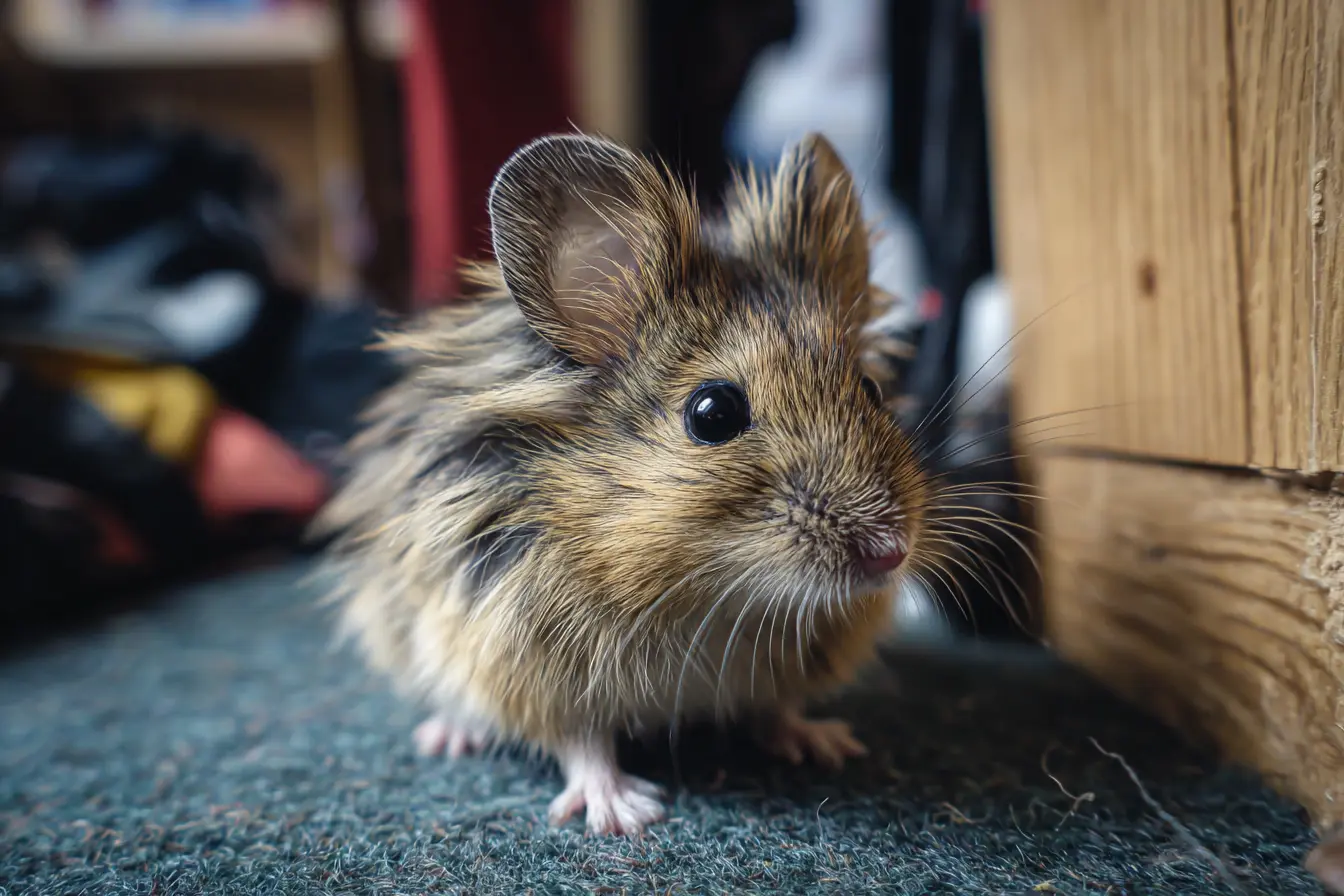
Long-haired mice are a beautiful and eye-catching variety of fancy mouse (Mus musculus), bred for their striking coats that can appear soft, fluffy, or flowing depending on the line. They share the same lively personalities and care needs as other fancy mice, but their grooming requirements and distinctive looks set them apart. Long-haired mice can be particularly appealing to breeders and enthusiasts, but with the right care, they also make fascinating pets for keepers who appreciate their unique appearance.
In this post, we’ll explore everything you need to know about long-haired mice, from their traits and housing to diet, grooming, behaviour, and suitability as pets.
What Are Long-Haired Mice?
Long-haired mice are not a separate species but a coat variety of the fancy mouse (Mus musculus). Selective breeding for coat length has produced mice with fur that grows significantly longer than the standard short-haired type. The effect can be especially dramatic in males, whose hair tends to grow longer and denser than females.
Long-haired mice may also appear in combination with other coat traits, such as satin (glossy hair) or rex (curly hair). This creates additional varieties such as long-haired satin mice or long-haired rex mice, each with its own distinctive texture and look.
Key Characteristics
Size: 6–10 cm body length, with a tail of similar length
Weight: 20–40 g on average
Lifespan: 1.5–2.5 years (sometimes up to 3 with excellent care)
Temperament: Active, social, curious, and playful
Appearance: Longer, denser coat compared to standard mice; hair length and texture may vary between individuals
Colours/Patterns: Found in almost every colour and pattern, including agouti, black, white, chocolate, and marked varieties
Their elegant coats make them a favourite among breeders and those who keep fancy mice for shows.
Social Needs
Like all mice, long-haired mice are highly social animals and should not be kept alone. They need companionship from other mice for mental and emotional wellbeing.
Best Practices:
Females: Can live together in groups and form strong bonds.
Males: Often territorial and prone to fighting, so they are usually best kept singly unless neutered or carefully managed.
Mixed groups: Should be avoided unless breeding is intended, as mice reproduce very quickly.
Mice interact constantly, grooming, nesting, and playing, so companionship is essential.
Housing and Environment
Long-haired mice require the same type of housing as other fancy mice, with extra care to keep their coats clean. Spacious, secure, and well-ventilated enclosures are key.
Enclosure Requirements:
Minimum size: 60 cm x 40 cm for a small group; larger is strongly recommended.
Type: Glass tanks with mesh lids or wire cages with bar spacing of no more than 0.5 cm.
Bedding: Paper-based bedding, hemp, or aspen. Avoid cedar and pine. Paper bedding is particularly good for long-haired mice as it is less likely to cling to coats.
Nesting material: Shredded paper or hay, though hay should be monitored to avoid tangles.
Temperature: Keep between 20–24°C, away from draughts or direct sunlight.
Enrichment:
Tunnels, hammocks, and cardboard tubes.
Solid-surface wheels (20 cm minimum to prevent spine problems).
Climbing branches, digging boxes, and chew toys.
Clean the enclosure weekly and spot-clean daily. Long-haired mice may need more frequent checks, as waste or bedding can cling to their fur.
Diet and Nutrition
Long-haired mice need a balanced diet to support their energy levels and coat quality.
Suggested Diet:
Staple diet: High-quality mouse or rat pellets/mix (avoid hamster food, which is often too fatty and sugary).
Vegetables: Cucumber, broccoli, kale, courgette, peas, and carrot in small amounts.
Fruits: Apple, pear, or berries in moderation.
Protein: Occasional extras like cooked egg, mealworms, or chicken.
Treats: Oats, seeds, or wholegrain pasta, given sparingly.
Fresh water must always be available in bottles or bowls.
Grooming Needs
Long-haired mice require more grooming attention than short-haired varieties. Their fur can easily become messy or tangle if not cared for properly.
Grooming Guide:
Coat checks: Inspect daily for knots, debris, or waste clinging to the fur.
Brushing: Use a small, soft brush every few days to keep the coat smooth and clean.
Bathing: Generally unnecessary and not recommended unless absolutely required. If needed, use a damp cloth or small animal-safe shampoo and ensure the mouse is dried thoroughly.
Trimming: Rarely required, but in some cases, trimming around the rear may help prevent soiling.
Pet long-haired mice benefit from regular coat care, while show-quality individuals may require more intensive grooming to maintain their appearance.
Handling and Behaviour
Long-haired mice are just as lively and curious as other fancy mice. With patient handling, they can become tame and engaging pets.
Handling Tips:
Allow them to approach your hand instead of grabbing.
Handle gently and over a safe surface to prevent injury if they jump.
Scoop with both hands rather than lifting by the tail.
Use treats to encourage trust and positive interactions.
While they may not enjoy long cuddles, they are fascinating to watch and interact with in short sessions.
Unique Traits
Long, flowing coat: The main feature that distinguishes them from short-haired fancy mice.
Variety combinations: Can be found as long-haired satins, rex, or other coat types.
Show appeal: A favourite in exhibitions due to their elegant appearance.
Maintenance needs: Require more coat care than standard fancy mice.
Health and Common Issues
Long-haired mice are generally healthy but may be slightly more prone to coat-related issues.
Common Health Concerns:
Respiratory infections: Very common in mice; linked to poor ventilation or dusty bedding.
Parasites: Mites and lice can infest coats if hygiene is poor.
Tumours: Mammary tumours are sadly common in mice.
Coat issues: Tangling, matting, or soiling can cause discomfort or infection if neglected.
Regular health checks, good husbandry, and a proper diet are essential.
Is a Long-Haired Mouse Right for You?
Long-haired mice are ideal for:
Fancy mouse enthusiasts.
People interested in showing mice.
Keepers who enjoy grooming and observing small pets.
Adults or older children (with supervision) who can handle them gently.
They may not be suitable for:
Very young children, due to their delicate size and grooming needs.
Keepers seeking a very low-maintenance pet.
Homes unable to commit to regular coat checks and grooming.
Conclusion
Long-haired mice are elegant, fascinating pets that combine the charm of fancy mice with the beauty of flowing coats. While their grooming needs are higher than short-haired varieties, their care is otherwise the same: they require companionship, spacious housing, enrichment, a balanced diet, and gentle handling.
For dedicated keepers who appreciate their appearance and are willing to provide the necessary coat care, long-haired mice make rewarding and captivating pets that stand out from the crowd.
Quick questions
- What should I know about long-haired mice?
- Long-haired mice are a variety of fancy mouse (Mus musculus) known for their impressive coats, which require more grooming than short-haired types. Vet Verified can help you compare UK veterinary practices by location, species, services and opening hours before you call.
- When should I contact a vet about long-haired mice?
- Contact a veterinary practice if your pet seems unwell, symptoms are getting worse, you are unsure what to do, or the situation may be urgent. Vet Verified helps you compare practice details, but a vet should advise on your pet's current care.
- Can Vet Verified help me find bird vets?
- Yes. Use Vet Verified to compare bird vets across the UK, then check practice profiles and call directly to confirm current availability.
Find a vet
Find a veterinary practice
Compare UK veterinary practices related to this topic. Call the practice to confirm its current services and availability.