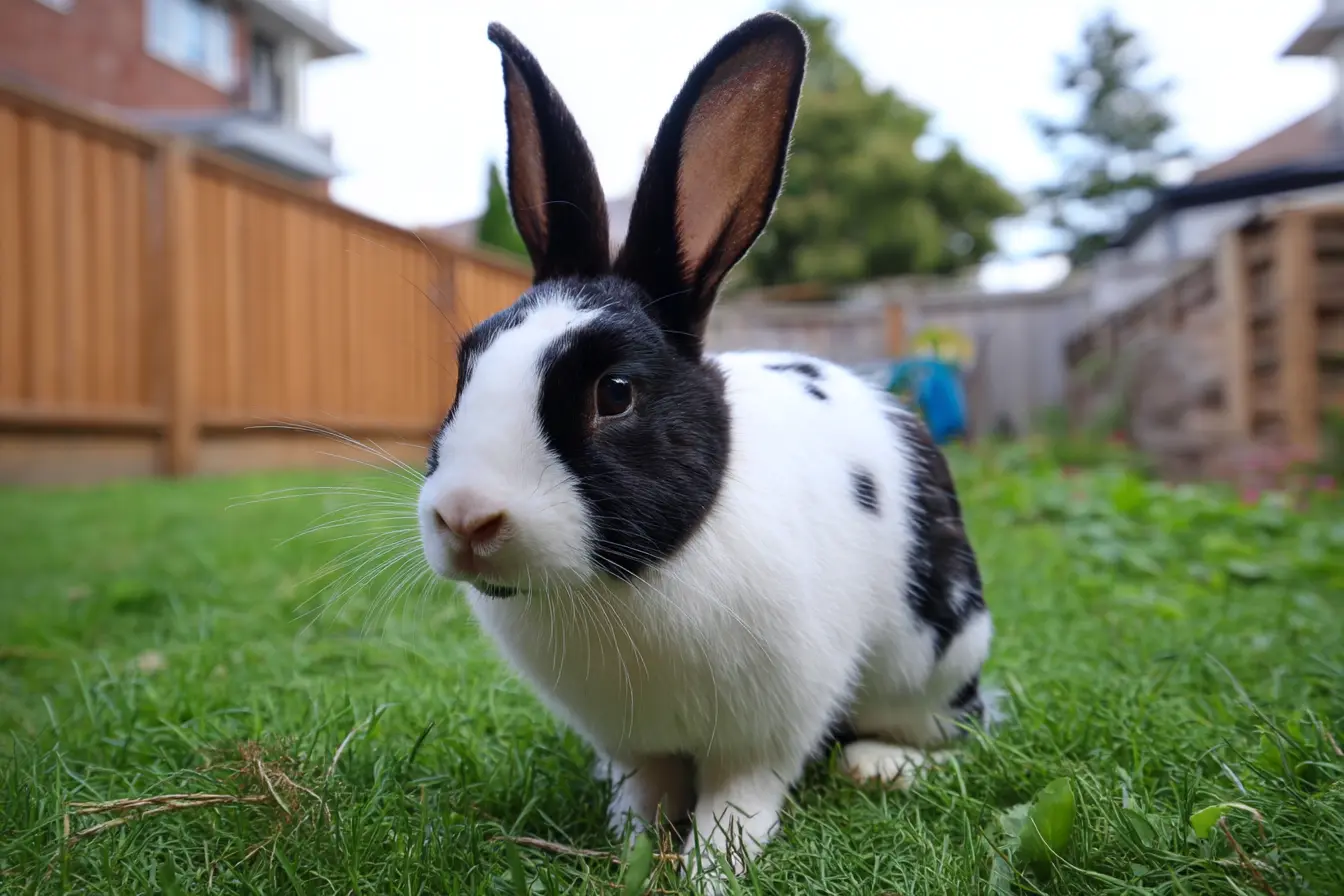
The Giant Papillon is one of the most distinctive giant rabbit breeds thanks to its bold markings, athletic build, and energetic nature. Sometimes referred to as the Checkered Giant in other countries, the Giant Papillon is admired in the UK for both its beauty and lively character. With their elegant spotted coats and alert demeanour, these rabbits stand out in any home or show setting.
This blog post offers a detailed look at everything you need to know about the Giant Papillon rabbit, from its origins, characteristics, and temperament to housing, diet, health, and what to expect as a keeper of this unique giant breed.
A Brief History of the Giant Papillon
The Giant Papillon breed originates from Europe, with development believed to have begun in France and Germany during the late 19th and early 20th centuries. The breed was created by selectively breeding spotted rabbits for size, athleticism, and consistent markings.
While similar to the American Checkered Giant, the Giant Papillon as recognised in the UK has its own breed standards and is prized for its refined structure, distinctive butterfly-like nose marking, and balanced pattern.
Key Characteristics of the Giant Papillon
Weight: 5–6 kg on average, sometimes larger
Body Type: Long, athletic, and well-proportioned
Markings:
Butterfly marking on the nose
Eye circles
Cheek spots
Spine line along the back
Flank spots on both sides
Colours: Black, blue, chocolate, or lilac markings on a white coat
Lifespan: Typically 5–7 years
Temperament: Active, alert, social, and playful
Unlike some giant breeds that tend to be placid, the Giant Papillon is naturally energetic and requires more exercise and stimulation.
Temperament and Behaviour
Giant Papillons are known for their spirited, friendly personalities. They are social, curious, and enjoy interacting with people.
Typical Traits
Active and playful
Intelligent and quick to learn routines
Enjoy games, foraging, and exploring
Often confident and outgoing
Can form strong bonds with owners
Appreciate companionship (rabbit or human)
Because they are more athletic than some other giants, they may not be as tolerant of confined spaces or long periods of inactivity.
Housing Requirements
Giant Papillons need ample space due to their size and active nature. Standard hutches or indoor cages are unsuitable.
Indoor Housing
A Giant Papillon can thrive indoors if given:
A rabbit-proofed room or
A large exercise pen of at least 10 ft x 6 ft
Daily access to additional running spaces
Indoor environments allow them to interact more closely with their human family, which many Papillons enjoy.
Outdoor Housing
Outdoor rabbits require safe, spacious accommodation:
A 6 ft x 3 ft sheltered sleeping area
A 10 ft x 6 ft attached run
Predator-proof, weather-resistant structure
Soft, secure flooring to protect their feet
Essential Features for Housing
Soft bedding like straw, hay, or fleece
Heavy-duty toys and bowls
Hides large enough for a giant rabbit
Elevated platforms for enrichment (sturdy enough for their weight)
Good ventilation and protection against draughts
An active giant like the Papillon will suffer if kept in cramped conditions, so space is non-negotiable.
Diet and Nutrition
Giant Papillons have a metabolism similar to other giant rabbits. Their diet should be high in fibre, balanced, and carefully managed.
Hay – The Foundation of Their Diet
Hay should make up 80–90% of the daily diet. Suitable hay types include:
Timothy
Ryegrass
Meadow
Orchard grass
Unlimited hay supports digestion and dental wear.
Fresh Greens
Offer 2–4 cups daily:
Spring greens
Kale
Romaine lettuce
Coriander
Parsley (limited)
Mint
Dandelion greens
Pellets
Pellets should be high in fibre with no added cereals.
Recommended amounts:
Young rabbits: Larger portions for growth
Adults: 50–100 g per day
Treats
Offer sparingly:
Carrot
Apple
Berries
Banana (minimal)
Plenty of fresh water must be available in heavy bowls or multiple bottles.
Exercise and Enrichment
The Giant Papillon is more energetic than many giant breeds, so exercise is essential for both physical and mental wellbeing.
Enrichment Ideas
Dog-sized tunnels
Large cardboard boxes
Foraging mats and toys
Digging boxes
Interactive toys (treat balls, stacking cups)
Sturdy platforms and ramps
Safe outdoor free-roaming time
A bored Papillon may develop destructive behaviours, so provide daily stimulation.
Grooming and Coat Care
The Giant Papillon has a short, dense coat that is relatively easy to maintain.
Grooming Checklist
Weekly brushing
Daily brushing during moulting seasons
Nail trims every 4–6 weeks
Ear checks for wax and debris
Fur checks around the rear for cleanliness
Regular inspections for fleas, mites, or flystrike
Even though the coat is short, shedding can be heavy in spring and autumn.
Health Considerations
Like all giant rabbits, the Giant Papillon is prone to certain health problems that require monitoring and preventive care.
Common Health Issues
Obesity
Arthritis
Gastrointestinal stasis
Dental problems
Respiratory infections
Flystrike in warm weather
Veterinary Care
Annual vaccinations (myxomatosis, RHD1, RHD2)
Routine health checks
Weight monitoring
Neutering (for health and behaviour)
A vet experienced with giant breeds is highly recommended.
Handling and Social Needs
Giant Papillons are social animals but must be handled carefully due to their size.
Handling Tips
Always support the chest and hindquarters
Avoid unnecessary lifting
Interact on the floor
Never allow the rabbit to kick or twist when held
They thrive on companionship and do best in bonded pairs.
Suitable Companions
Another giant rabbit
Calm medium-to-large rabbits
Neutered opposite-sex pairings are typically most successful
Bonding should be done gradually in neutral spaces.
Is a Giant Papillon Rabbit Right for You?
The Giant Papillon can make a delightful companion, but they are best suited to owners who understand the needs of a giant and active rabbit.
Ideal Owners
People with ample indoor or outdoor space
Families with older children
Rabbit keepers who enjoy active, interactive pets
Households with time for daily enrichment
Owners able to manage the cost of a giant rabbit
Not Ideal For
Small homes or flats without space
First-time rabbit owners
Those unable to provide several hours of daily exercise
People who cannot safely handle a large rabbit
The Giant Papillon requires time, space, and commitment.
Conclusion
The Giant Papillon is a striking, energetic, and sociable giant rabbit that thrives on space, enrichment, and companionship. Their distinctive markings make them eye-catching, while their lively personalities make them engaging and rewarding pets.
With the right housing, a hay-rich diet, regular grooming, plenty of exercise, and rabbit-savvy veterinary care, the Giant Papillon can live a happy and healthy life as a cherished member of your family.
Quick questions
- What should I know about giant papillon?
- The Giant Papillon, admired in the UK for its bold markings and lively nature, is a distinctive giant rabbit breed requiring space and activity. Vet Verified can help you compare UK veterinary practices by location, species, services and opening hours before you call.
- When should I contact a vet about giant papillon?
- Contact a veterinary practice if your pet seems unwell, symptoms are getting worse, you are unsure what to do, or the situation may be urgent. Vet Verified helps you compare practice details, but a vet should advise on your pet's current care.
- Can Vet Verified help me find dog vets?
- Yes. Use Vet Verified to compare dog vets across the UK, then check practice profiles and call directly to confirm current availability.
Find a vet
Find a veterinary practice
Compare UK veterinary practices related to this topic. Call the practice to confirm its current services and availability.