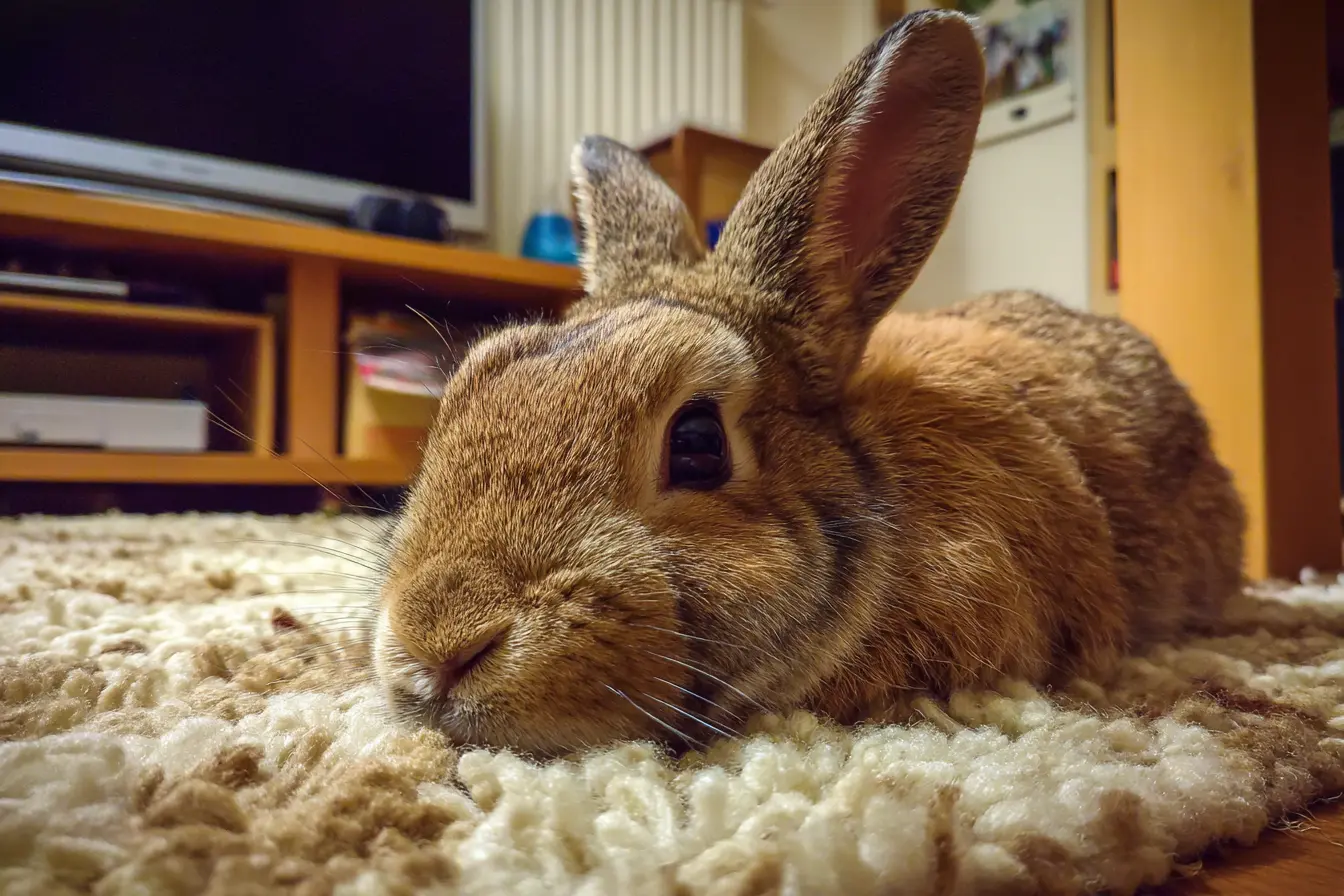
Rabbits are gentle and intelligent pets, but they are also very good at hiding signs of illness. In the wild, showing weakness could make them a target for predators, so many rabbits will continue behaving normally even when they are unwell.
Because rabbits can deteriorate quickly, spotting the early warning signs is extremely important. Knowing what to look for can help you seek veterinary care before a problem becomes serious.
Changes in Your Rabbit’s Appetite
A healthy rabbit should eat regularly throughout the day, especially hay.
Warning signs include:
Eating less than usual
Refusing food or treats
Leaving hay untouched
Difficulty chewing
Dropping food from the mouth
Sudden weight loss
A rabbit that stops eating can become seriously ill very quickly and should be seen by a vet as soon as possible.
Reduced Droppings or Changes in Toilet Habits
Your rabbit’s droppings can reveal a lot about their health.
Look out for:
Smaller droppings than usual
Fewer droppings
No droppings at all
Soft or runny stools
Straining to urinate
Blood in urine
A lack of droppings can be a sign of gastrointestinal stasis, which is a medical emergency in rabbits.
Lethargy and Low Energy
Rabbits are naturally curious and alert animals.
Signs of concern include:
Unusual tiredness
Sitting still for long periods
Lack of interest in surroundings
Reluctance to move
Hiding away more often
A rabbit that seems weak, quiet or uninterested in normal activities may be in pain or feeling unwell.
Changes in Breathing
Breathing should be calm and quiet.
Seek veterinary advice if you notice:
Rapid breathing
Laboured breathing
Wheezing
Sneezing frequently
Nasal discharge
Open-mouth breathing
Breathing difficulties can indicate respiratory infections or other serious health problems.
Dental Problems
Rabbit teeth grow continuously throughout their lives, so dental issues are common.
Watch for signs such as:
Drooling
Wet fur around the mouth
Difficulty eating
Swelling around the jaw
Eye discharge
Reduced appetite
Untreated dental disease can cause significant pain and lead to further health complications.
Changes in Your Rabbit’s Coat and Grooming
A healthy rabbit should have a clean and smooth coat.
Signs of illness may include:
A dull or messy coat
Matted fur
Bald patches
Excessive moulting
Urine staining around the back end
Poor grooming can suggest pain, obesity, dental disease or underlying illness.
Digestive Problems
Rabbits have sensitive digestive systems, so any stomach issue should be taken seriously.
Symptoms to monitor include:
Bloated stomach
Grinding teeth loudly
Diarrhoea
Loss of appetite
Signs of discomfort when touched
Digestive problems can worsen rapidly and often require urgent veterinary treatment.
Behavioural Changes
Subtle behavioural changes are often one of the first signs that something is wrong.
You may notice:
Increased aggression
Withdrawal from people or bonded rabbits
Unusual hiding
Restlessness
Changes in normal routine
Any sudden change in behaviour should be monitored closely.
Eye and Ear Problems
Healthy eyes and ears should appear clean and clear.
Signs of concern include:
Eye discharge
Red or swollen eyes
Cloudiness in the eyes
Head tilting
Scratching at the ears
Crusts or discharge inside the ears
These symptoms may indicate infections, dental issues or ear mites.
Pain and Mobility Issues
Rabbits in pain may try to stay still or avoid movement.
Look out for:
Limping
Difficulty hopping
Stiffness
Reluctance to jump
Unusual posture
Loud tooth grinding
Mobility issues can result from injury, arthritis or underlying illness.
When to See a Vet
If your rabbit shows any signs of illness, it is important to seek veterinary advice promptly.
Urgent symptoms include:
Not eating
No droppings
Difficulty breathing
Severe lethargy
Sudden collapse
Bloated abdomen
Rabbits can become critically ill within a short period of time, so early treatment is essential.
Conclusion
Rabbits are experts at hiding illness, which means even small changes in behaviour, appetite or routine can be significant. Paying close attention to these warning signs can help you spot health problems early and ensure your rabbit receives the care they need.
Quick action can make a major difference to your rabbit’s recovery, comfort and overall wellbeing.
Quick questions
- What should I know about rabbit illness signs?
- Rabbits often hide illness, so spotting small changes is very important for rabbit health. Vet Verified can help you compare UK veterinary practices by location, species, services and opening hours before you call.
- When should I contact a vet about rabbit illness signs?
- Contact a veterinary practice if your pet seems unwell, symptoms are getting worse, you are unsure what to do, or the situation may be urgent. Vet Verified helps you compare practice details, but a vet should advise on your pet's current care.
- Can Vet Verified help me find emergency vets?
- Yes. Use Vet Verified to compare emergency vets across the UK, then check practice profiles and call directly to confirm current availability.
Find a vet
Find a veterinary practice
Compare UK veterinary practices related to this topic. Call the practice to confirm its current services and availability.