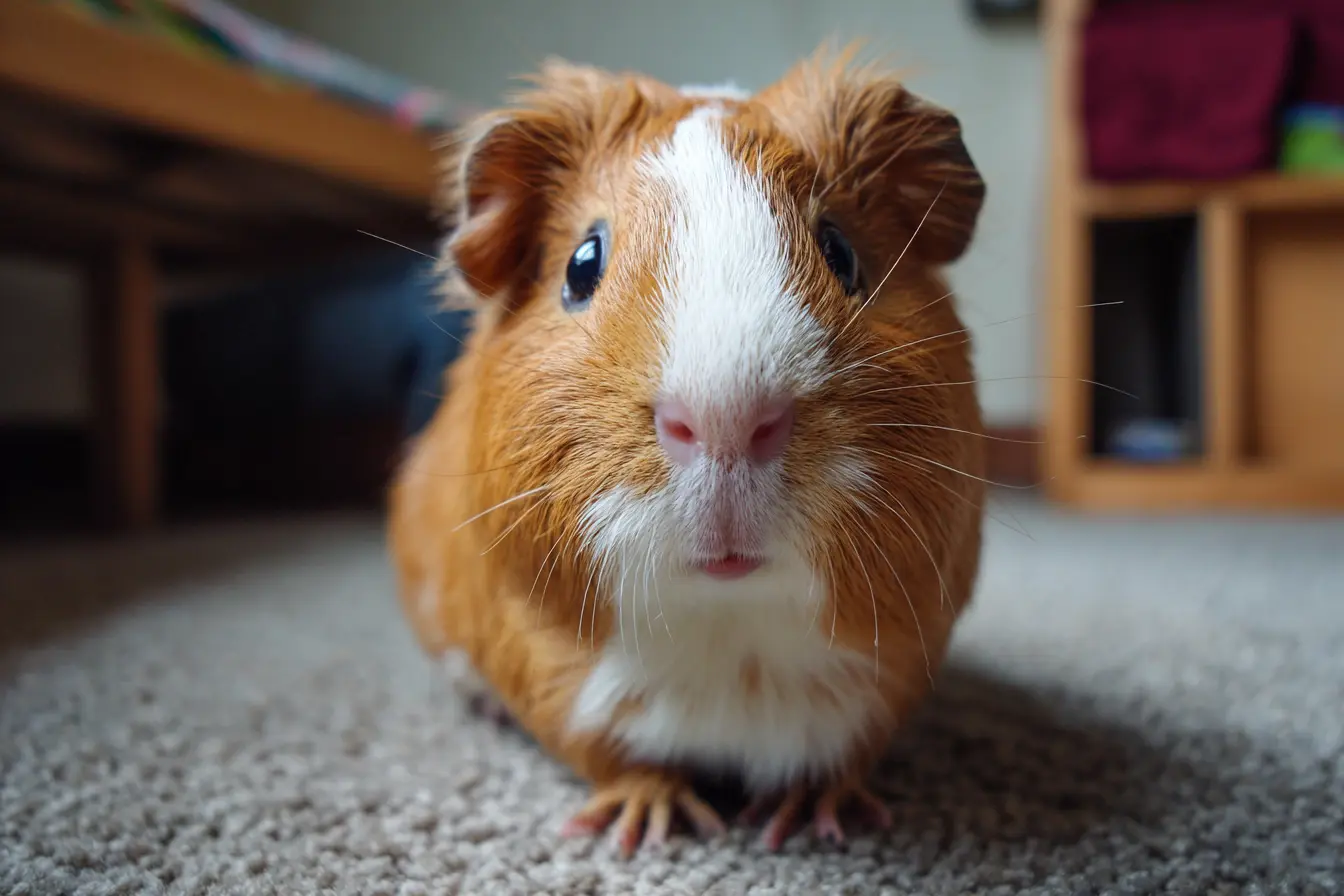
Guinea pigs are gentle and sociable pets, but they are also very good at hiding signs of illness. As prey animals, they naturally try to conceal weakness, which means health problems can sometimes go unnoticed until they become serious.
Recognising the early warning signs is essential. Prompt veterinary care can make a significant difference to your guinea pig’s health and recovery.
Changes in Your Guinea Pig’s Appetite
A healthy guinea pig should eat frequently throughout the day, especially hay.
Signs of concern include:
Eating less than usual
Refusing favourite foods
Difficulty chewing
Dropping food from the mouth
Sudden weight loss
Reduced interest in hay
Guinea pigs should never go long without eating, as this can quickly lead to serious digestive problems.
Weight Loss
Weight loss is often one of the earliest signs of illness in guinea pigs.
You may notice:
A more prominent spine or hips
Loose skin around the body
Reduced muscle mass
A lighter body when handled
Regular weighing can help identify health issues before other symptoms appear.
Lethargy and Reduced Activity
Guinea pigs are usually curious and responsive animals.
Warning signs include:
Sleeping more than usual
Lack of interest in surroundings
Reluctance to move
Hiding constantly
Reduced interaction with cage mates
A guinea pig that seems quiet, withdrawn or weak may be unwell.
Breathing Problems
Respiratory infections are common in guinea pigs and can become serious very quickly.
Look out for:
Sneezing
Wheezing
Laboured breathing
Coughing
Nasal discharge
Crusty eyes
Breathing difficulties should always be treated as urgent.
Dental Problems
Guinea pigs’ teeth grow continuously, so dental issues are relatively common.
Signs may include:
Difficulty eating
Drooling
Wet fur around the mouth
Weight loss
Preference for soft foods
Reduced appetite
Untreated dental disease can cause pain, infection and difficulty eating.
Changes in Droppings and Urination
Toileting habits can provide important clues about your guinea pig’s health.
Watch for:
Smaller droppings
Fewer droppings
Diarrhoea
Blood in urine
Straining to urinate
Wetness around the back end
Digestive or urinary issues should be assessed by a vet promptly.
Changes in Coat and Skin Condition
A healthy guinea pig should have a clean and smooth coat.
Signs of illness may include:
Hair loss
Scratching excessively
Scabs or flaky skin
Matted fur
A dull coat
Bald patches
Skin problems can result from parasites, fungal infections or underlying health conditions.
Eye and Ear Problems
Healthy eyes and ears should appear clean and clear.
Signs of concern include:
Watery eyes
Crusty discharge
Redness or swelling
Cloudy eyes
Head tilting
Scratching at the ears
These symptoms may indicate infections, injuries or other medical issues.
Pain and Mobility Issues
Guinea pigs in pain may become less active or reluctant to move.
Look out for:
Limping
Stiffness
Difficulty walking
Reluctance to stand
Unusual posture
Squeaking when touched
Mobility problems can be caused by injury, arthritis or vitamin deficiencies.
Behavioural Changes
Changes in behaviour are often an early indication that something is wrong.
You may notice:
Increased aggression
Withdrawal from companions
Unusual quietness
Changes in sleeping habits
Reduced vocalisation
Any sudden or unexplained behavioural change should be monitored closely.
Vitamin C Deficiency
Guinea pigs cannot produce their own vitamin C, so deficiencies can develop if their diet is inadequate.
Signs may include:
Weakness
Swollen joints
Poor coat condition
Loss of appetite
Bleeding gums
Difficulty walking
A balanced diet containing enough vitamin C is essential for good health.
When to See a Vet
If your guinea pig shows any signs of illness, it is important to seek veterinary advice as soon as possible.
Urgent symptoms include:
Difficulty breathing
Refusing food
Severe lethargy
Diarrhoea
Inability to move normally
Sudden collapse
Guinea pigs can deteriorate rapidly, so early treatment is extremely important.
Conclusion
Guinea pigs are skilled at hiding illness, which means even small changes in appetite, behaviour or appearance should not be ignored. Paying close attention to their daily habits can help you spot problems early and ensure they receive prompt veterinary care.
Acting quickly can improve recovery, reduce discomfort and help keep your guinea pig healthy and happy.
Quick questions
- What should I know about guinea pig illness signs?
- Guinea pigs hide illness well. This guide on guinea pig signs of illness helps you spot problems early so you can get veterinary care fast. Vet Verified can help you compare UK veterinary practices by location, species, services and opening hours before you call.
- When should I contact a vet about guinea pig illness signs?
- Contact a veterinary practice if your pet seems unwell, symptoms are getting worse, you are unsure what to do, or the situation may be urgent. Vet Verified helps you compare practice details, but a vet should advise on your pet's current care.
- Can Vet Verified help me find emergency vets?
- Yes. Use Vet Verified to compare emergency vets across the UK, then check practice profiles and call directly to confirm current availability.
Find a vet
Find a veterinary practice
Compare UK veterinary practices related to this topic. Call the practice to confirm its current services and availability.