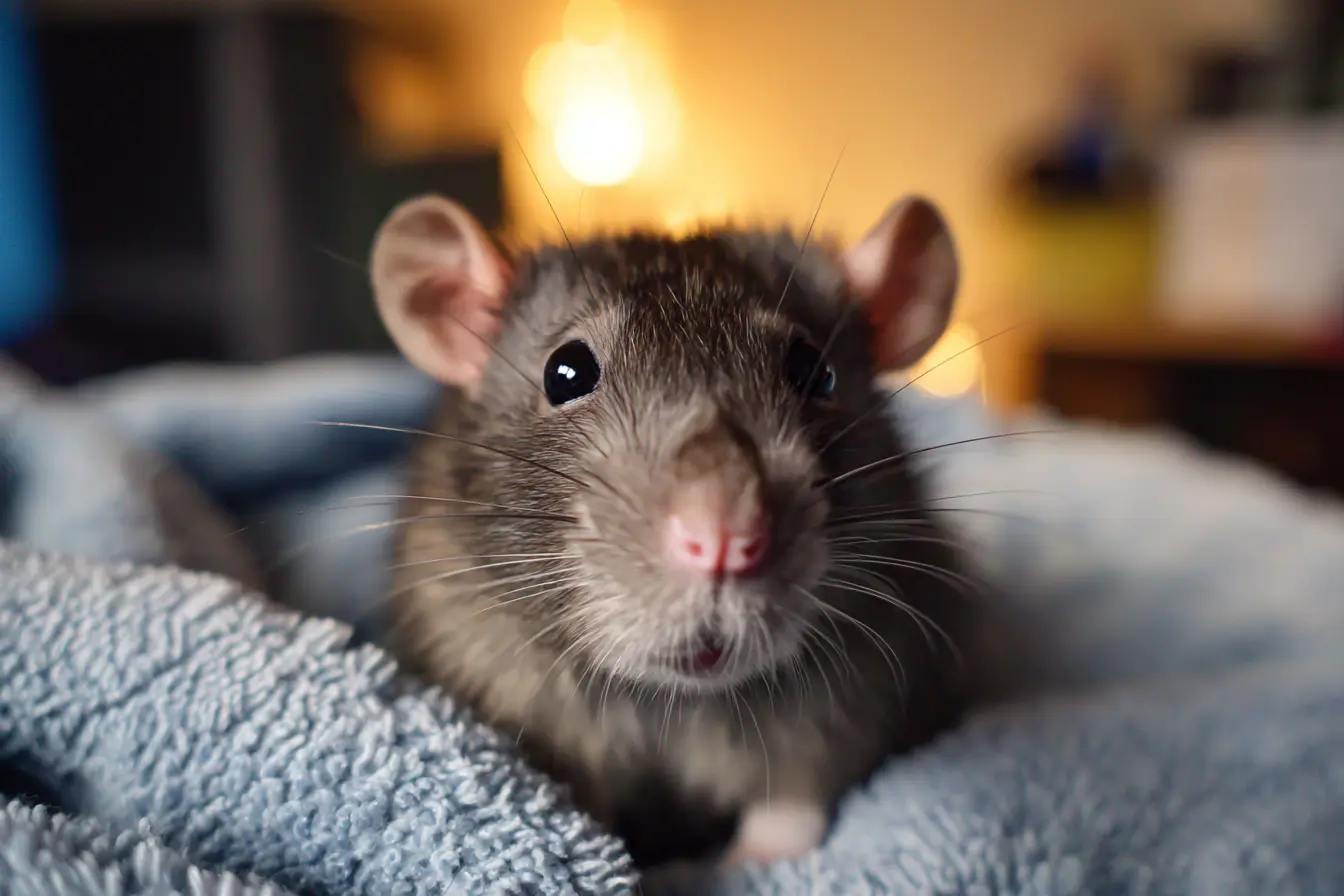
Rats are intelligent, social and active pets, but they are also very good at hiding illness. As prey animals, they instinctively try to conceal weakness, which means symptoms can sometimes be subtle until the condition becomes more serious.
Recognising the early warning signs can help you get veterinary treatment quickly and improve your rat’s chances of recovery.
Changes in Your Rat’s Appetite
A healthy rat should have a strong appetite and show interest in food every day.
Signs of concern include:
Eating less than usual
Refusing favourite foods
Difficulty chewing
Dropping food from the mouth
Sudden weight loss
Reduced water intake
A rat that stops eating or drinking can become seriously ill very quickly.
Weight Loss
Unexplained weight loss is often one of the first signs that something is wrong.
You may notice:
A thinner body shape
Prominent spine or hips
Loss of muscle mass
Reduced strength or energy
Regular handling can help you spot physical changes early.
Lethargy and Reduced Activity
Rats are naturally curious and energetic animals.
Warning signs include:
Sleeping more than usual
Lack of interest in play
Reduced climbing or exploring
Slow movements
Hiding away frequently
A noticeable drop in activity levels can indicate illness, pain or stress.
Breathing Problems
Respiratory disease is one of the most common health issues in pet rats.
Look out for:
Sneezing
Wheezing
Clicking or crackling breathing sounds
Laboured breathing
Head tilting while breathing
Nasal discharge
Breathing problems should always be taken seriously and assessed by a vet promptly.
Red Discharge Around the Eyes or Nose
Rats can produce a red substance called porphyrin when stressed or unwell.
Signs to monitor include:
Red staining around the eyes
Red discharge from the nose
Excessive build-up of porphyrin
Crusty eyes or nostrils
Small amounts can occasionally occur, but persistent or heavy discharge may indicate illness.
Changes in Coat and Grooming
Healthy rats usually keep themselves well groomed.
You may notice:
A rough or greasy coat
Matted fur
Hair loss
Bald patches
Reduced grooming
Excessive scratching
Poor coat condition can indicate parasites, stress or underlying disease.
Changes in Droppings and Urination
Toileting habits can provide important clues about your rat’s health.
Watch for:
Diarrhoea
Smaller droppings
Reduced droppings
Blood in urine
Straining to urinate
Wetness around the back end
Digestive or urinary problems should be checked by a vet.
Lumps and Swellings
Rats are prone to developing lumps, particularly as they age.
Signs include:
New lumps under the skin
Rapidly growing swellings
Changes in the size or shape of existing lumps
Sensitivity when touched
Not all lumps are cancerous, but they should always be examined by a vet.
Pain and Mobility Issues
Rats in pain may behave differently or struggle to move normally.
Look out for:
Limping
Difficulty climbing
Weakness in the back legs
Stiffness
Hunched posture
Reluctance to move
Mobility issues can result from injury, arthritis or neurological conditions.
Behavioural Changes
Changes in behaviour are often one of the earliest signs of illness.
You may notice:
Increased aggression
Withdrawal from cage mates
Unusual quietness
Reduced interaction
Confusion or disorientation
Any sudden change in personality or behaviour should be monitored carefully.
Eye and Ear Problems
Healthy eyes and ears should appear clean and clear.
Signs of concern include:
Swollen eyes
Cloudiness
Excessive discharge
Head tilting
Loss of balance
Scratching at the ears
These symptoms may indicate infection or neurological problems.
When to See a Vet
If your rat shows any signs of illness, it is important to seek veterinary advice promptly.
Urgent symptoms include:
Difficulty breathing
Refusing food or water
Severe lethargy
Sudden paralysis
Rapid weight loss
Collapse
Rats can deteriorate quickly, so early treatment is extremely important.
Conclusion
Rats are highly intelligent pets that often hide illness until they become seriously unwell. Paying close attention to changes in appetite, behaviour, breathing and grooming can help you identify health problems early.
Quick veterinary care can improve recovery, reduce suffering and help your rat live a healthier and more comfortable life.
Quick questions
- What should I know about sick rat?
- Recognising early signs of illness in pet rats helps you get veterinary care quickly. Watch for changes in appetite, sudden weight loss or less drinking. Look for low energy, sleeping more, less play, or trouble moving. Vet Verified can help you compare UK veterinary practices by location, species, services and opening hours before you call.
- When should I contact a vet about sick rat?
- Contact a veterinary practice if your pet seems unwell, symptoms are getting worse, you are unsure what to do, or the situation may be urgent. Vet Verified helps you compare practice details, but a vet should advise on your pet's current care.
- Can Vet Verified help me find emergency vets?
- Yes. Use Vet Verified to compare emergency vets across the UK, then check practice profiles and call directly to confirm current availability.
Find a vet
Find a veterinary practice
Compare UK veterinary practices related to this topic. Call the practice to confirm its current services and availability.