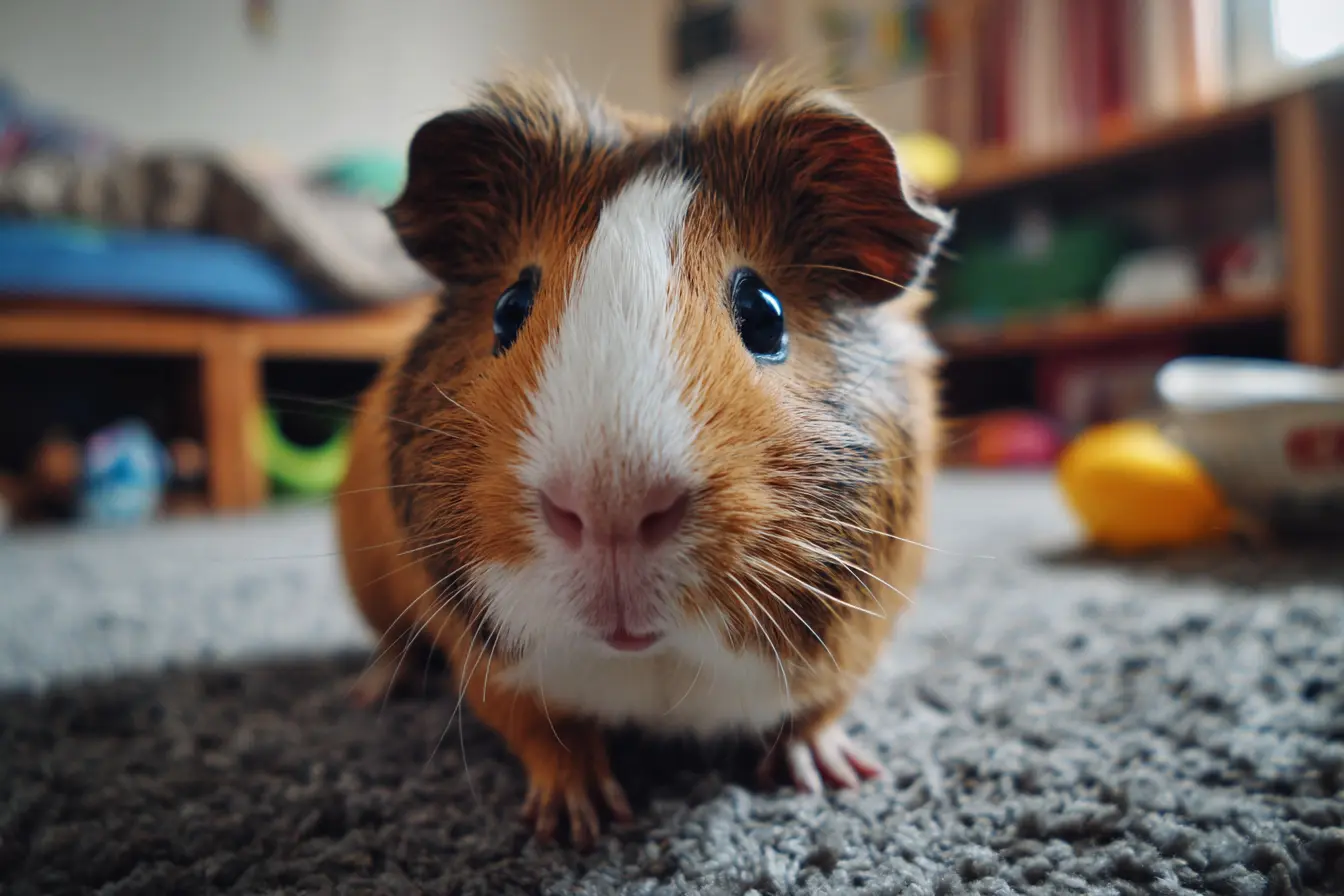
Boarding your guinea pigs while you go on holiday can provide reassurance that they are being cared for properly, but preparation is extremely important. Guinea pigs are sensitive animals that rely on routine, familiar surroundings and consistent care to stay healthy.
Taking the right steps before boarding can help reduce stress, prevent health problems and ensure your guinea pigs settle as comfortably as possible during your time away.
Choose a Guinea Pig-Friendly Boarding Facility
Not all boarding facilities are experienced in caring for guinea pigs, so research is essential.
Look for a facility that:
Has experience with guinea pigs and small pets
Provides clean and secure accommodation
Understands guinea pig nutrition and health
Offers safe temperature control
Performs daily health checks
Has access to veterinary care if needed
If possible, arrange a visit before booking so you can inspect the environment and ask questions.
Book Your Boarding Early
Popular boarding facilities often become fully booked during busy travel periods.
This is especially common during:
Summer holidays
Christmas
Easter
Bank holiday weekends
School holidays
Booking early gives you more choice and time to prepare properly.
Check Your Guinea Pig’s Health Before Boarding
It is important to ensure your guinea pigs are healthy before their stay.
Monitor for signs such as:
Weight loss
Sneezing or breathing problems
Reduced appetite
Hair loss
Diarrhoea
Lethargy
If you notice any symptoms, contact your vet before travelling.
Some owners also arrange a routine health check before boarding for added peace of mind.
Keep Bonded Guinea Pigs Together
Guinea pigs are social animals and bonded companions should usually remain together.
Separating bonded guinea pigs can cause:
Stress
Anxiety
Reduced appetite
Depression
Behavioural changes
Most boarding facilities can accommodate bonded pairs or groups together.
Maintain Their Normal Diet
Guinea pigs have sensitive digestive systems, so consistency is important.
Before boarding:
Avoid sudden diet changes
Keep feeding routines stable
Inform staff about favourite foods
Explain portion sizes clearly
Sudden dietary changes can lead to digestive upset or refusal to eat.
Provide Enough Food and Hay
Many owners provide their guinea pigs’ usual supplies to maintain familiarity.
Important items may include:
Hay
Pellets
Fresh vegetables
Vitamin C supplements
Treats
Using familiar food can help encourage normal eating behaviour during boarding.
Make Sure Vitamin C Needs Are Explained
Guinea pigs cannot produce their own vitamin C, so this must be included in their daily diet.
You should clearly explain:
Which foods provide vitamin C
Supplement instructions if needed
Portion sizes and feeding frequency
A lack of vitamin C can quickly lead to serious health problems.
Bring Familiar Items From Home
Familiar smells and belongings can help reduce stress in a new environment.
Useful comfort items may include:
Hideouts
Blankets or fleece bedding
Favourite toys
Food bowls
Familiar bedding material
These familiar items can help your guinea pigs settle more comfortably.
Leave Detailed Care Instructions
Written instructions can help boarding staff follow your guinea pigs’ normal routine accurately.
Include information such as:
Feeding schedules
Portion sizes
Cleaning routines
Medication instructions
Favourite foods and dislikes
Behavioural habits
Emergency contact details
Your vet’s contact information
Clear instructions reduce confusion and improve consistency of care.
Inform Staff About Medical Conditions
If your guinea pigs have health problems, make sure the boarding staff fully understand their needs.
Important information may include:
Respiratory conditions
Dental disease
Skin conditions
Medication schedules
Mobility problems
Providing detailed information can help staff respond quickly if concerns arise.
Prepare for Safe Travel
Transporting guinea pigs safely is an important part of the boarding process.
When travelling:
Use a secure carrier
Add soft bedding or fleece
Provide hay during the journey
Keep the carrier well ventilated
Avoid extreme temperatures
Minimise loud noise and stress
Calm transport can help make the experience less stressful.
Avoid Major Changes Before Boarding
Guinea pigs thrive on routine, so it is best to keep life as normal as possible before your trip.
Try to avoid:
Sudden diet changes
Introducing new guinea pigs
Changing housing setups
Altering feeding schedules drastically
Consistency can help your guinea pigs cope more easily with boarding.
Label Your Guinea Pig’s Supplies
Clearly labelling belongings can help avoid confusion at the boarding facility.
Label items such as:
Food containers
Medication
Carriers
Bedding
Toys
This helps ensure your guinea pigs receive the correct items and care.
Ask About Emergency Procedures
Before leaving, ask the boarding facility:
Which vet they use
How emergencies are handled
Whether staff are available overnight
How owners are contacted if problems occur
Understanding emergency procedures can provide peace of mind while you are away.
Monitor Your Guinea Pigs After Boarding
Some guinea pigs may take time to settle back into their normal routine after returning home.
Watch for:
Reduced appetite
Weight loss
Hiding or nervousness
Sneezing or coughing
Changes in droppings
Lethargy
Most guinea pigs settle quickly, but any concerning symptoms should be assessed by a vet.
Conclusion
Preparing carefully before boarding your guinea pigs can help reduce stress and ensure they receive the best possible care while you are away. Choosing a knowledgeable boarding facility, maintaining familiar routines and providing detailed care instructions can all help your guinea pigs stay healthy and comfortable.
With proper preparation, you can enjoy your holiday knowing your guinea pigs are safe, well cared for and receiving the attention they need.
Quick questions
- What should I know about guinea pig boarding?
- Boarding guinea pigs while you go on holiday can give peace of mind, but good preparation matters. Choose a guinea pig boarding facility with experience, clean secure housing, daily health checks and vet access. Vet Verified can help you compare UK veterinary practices by location, species, services and opening hours before you call.
- When should I contact a vet about guinea pig boarding?
- Contact a veterinary practice if your pet seems unwell, symptoms are getting worse, you are unsure what to do, or the situation may be urgent. Vet Verified helps you compare practice details, but a vet should advise on your pet's current care.
- Can Vet Verified help me find 24-hour vets?
- Yes. Use Vet Verified to compare 24-hour vets across the UK, then check practice profiles and call directly to confirm current availability.
Find a vet
Find a veterinary practice
Compare UK veterinary practices related to this topic. Call the practice to confirm its current services and availability.
Urgent and out-of-hours
- 24-hour vets Find veterinary practices near you that list one or more days as open 24 hours. Compare opening hours, services and contact details, then call before travelling.
- Emergency vets Find veterinary practices near you that list emergency opening hours. Compare contact details and services, then call immediately if your pet needs urgent care.