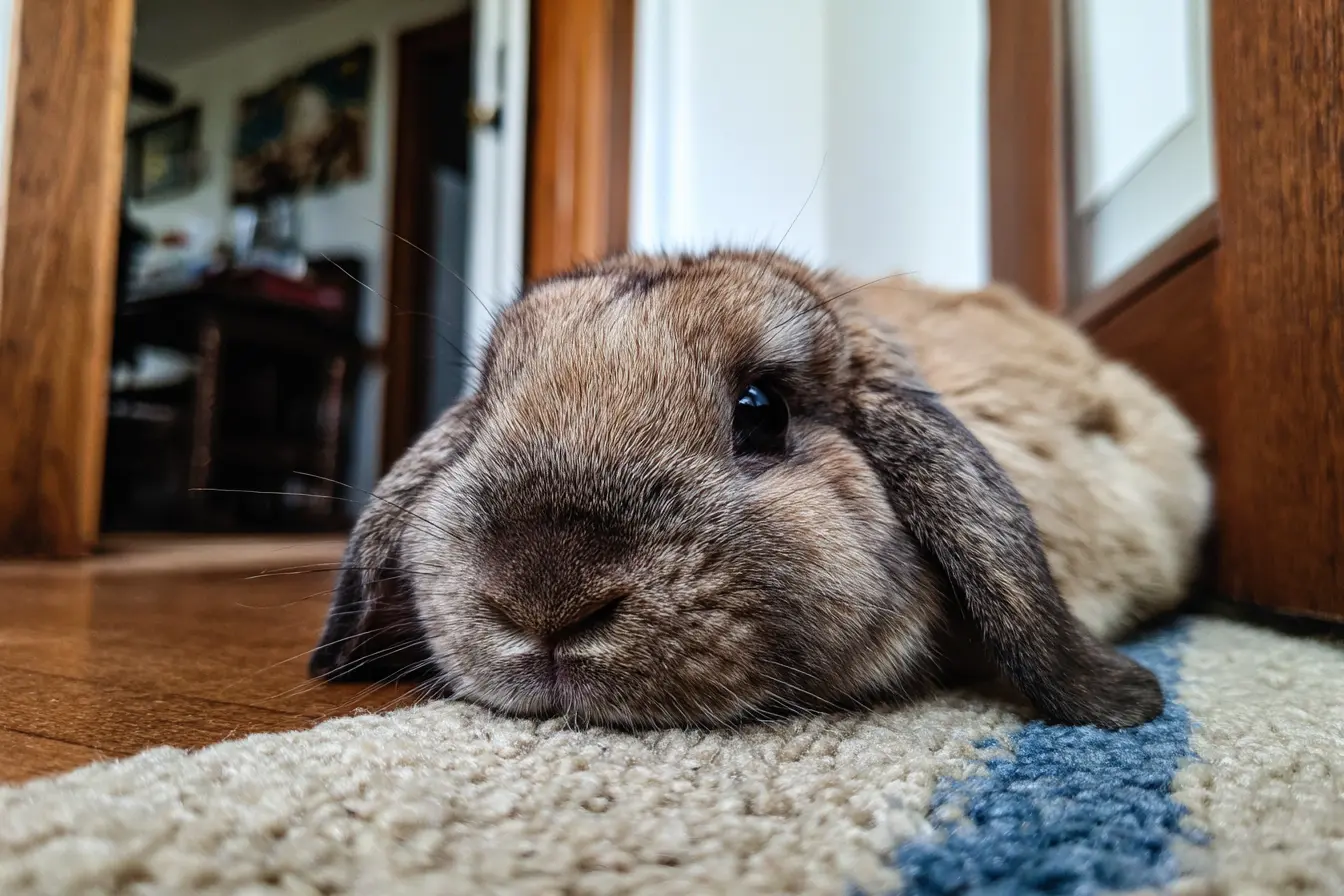
Rabbits are highly social animals that form deep bonds with their companions. When one rabbit in a bonded pair or group passes away, the remaining rabbit can experience significant emotional stress and behavioural changes.
Losing a companion can be difficult not only for owners, but also for the surviving rabbit. Understanding how grief may affect rabbits and knowing how to provide support can help your rabbit adjust during this challenging time.
Do Rabbits Grieve?
Many rabbit owners notice behavioural and emotional changes after the loss of a bonded companion.
While animals may not experience grief exactly as humans do, rabbits can certainly become distressed, confused and lonely after losing a close companion.
Bonded rabbits often:
Sleep together
Groom each other
Eat together
Provide comfort and security
When that bond is suddenly broken, the surviving rabbit may struggle emotionally.
Common Signs of Grief in Rabbits
Every rabbit responds differently, but common signs of grief or distress may include:
Reduced appetite
Lethargy
Hiding more often
Searching for the missing rabbit
Reduced interest in play
Increased clinginess
Withdrawal from interaction
Changes in sleeping habits
Depression-like behaviour
Some rabbits may also become temporarily quieter or less active than usual.
Appetite Changes Should Never Be Ignored
One of the biggest concerns after bereavement is reduced eating.
Rabbits are extremely vulnerable to digestive problems if they stop eating properly.
Watch carefully for:
Refusing food
Eating less hay
Smaller droppings
Fewer droppings
Weight loss
If your rabbit stops eating or shows signs of gastrointestinal stasis, seek veterinary advice immediately.
Allow Your Rabbit to See Their Companion
Some owners choose to allow the surviving rabbit to spend a short amount of time with their companion’s body after death.
This may help some rabbits understand that their companion has passed away rather than suddenly disappeared.
Rabbits may react by:
Sitting quietly nearby
Grooming the body
Sniffing or nudging their companion
Eventually moving away calmly
Not all owners choose to do this, but some find it helps reduce searching behaviour later.
Keep Routines Consistent
Rabbits thrive on routine, especially during stressful periods.
Maintaining familiar routines can help provide comfort and stability.
Try to keep consistent:
Feeding times
Exercise schedules
Sleeping areas
Daily interaction
Cleaning routines
Predictability can help reduce anxiety and confusion.
Provide Extra Attention and Comfort
After losing a companion, many rabbits benefit from additional gentle interaction.
You can help by:
Spending more time nearby
Offering calm reassurance
Talking softly
Providing gentle strokes if your rabbit enjoys handling
Encouraging enrichment and activity
However, avoid overwhelming your rabbit if they prefer space and quiet.
Encourage Eating and Normal Behaviour
It is important to encourage your rabbit to continue eating and behaving normally.
You can try:
Offering favourite herbs or greens
Providing fresh hay frequently
Using food enrichment toys
Encouraging gentle exploration
Monitoring appetite closely is essential during this period.
Watch Closely for Signs of Illness
Stress can weaken the immune system and increase the risk of illness.
Monitor your rabbit carefully for:
Reduced appetite
Changes in droppings
Lethargy
Weight loss
Breathing changes
Reduced grooming
If you notice concerning symptoms, contact a rabbit-savvy vet promptly.
Keep the Environment Calm and Comfortable
A quiet and secure environment can help reduce stress after bereavement.
Helpful steps include:
Avoiding sudden changes
Keeping noise levels low
Providing familiar bedding and toys
Ensuring safe hiding places
Maintaining comfortable temperatures
A calm environment may help your rabbit feel more secure.
Should You Get Another Rabbit?
Many rabbits eventually benefit from companionship again because rabbits are naturally social animals.
However, timing is important.
Some rabbits may:
Benefit from time to adjust first
Need a gradual introduction process
Show readiness for companionship quickly
Prefer more human interaction temporarily
Introducing a new rabbit too soon can sometimes create additional stress.
Rebonding Rabbits Carefully
If you decide to introduce another rabbit, bonding should be done carefully and gradually.
Important steps include:
Choosing a suitable companion
Ensuring both rabbits are neutered
Using neutral territory for introductions
Supervising interactions closely
Allowing the process to happen slowly
Some rescues and rabbit welfare organisations offer bonding support services.
Elderly Rabbits May Need Extra Support
Older rabbits can sometimes struggle more after losing a companion.
Senior rabbits may become:
More withdrawn
Less active
More dependent on routine
More vulnerable to stress-related illness
Extra monitoring and veterinary support may be especially important for elderly rabbits.
Avoid Making Too Many Changes at Once
After a loss, it is best to avoid major disruptions if possible.
Try not to:
Move your rabbit into a completely new setup suddenly
Change diet abruptly
Alter routines dramatically
Introduce multiple stressful changes at once
Stability can help your rabbit adjust more comfortably.
Caring for Yourself Too
Losing a rabbit companion can also be emotionally difficult for owners.
It is normal to feel:
Sadness
Guilt
Worry about the remaining rabbit
Uncertainty about next steps
Taking care of your own wellbeing can help you better support your rabbit during the adjustment period.
When to Seek Veterinary Help
You should contact a vet if your rabbit shows:
Refusal to eat
No droppings
Severe lethargy
Rapid weight loss
Difficulty breathing
Ongoing depression-like behaviour
Rabbits can become critically ill very quickly, particularly if stress affects eating habits.
Conclusion
Losing a bonded companion can be a deeply stressful experience for a rabbit. Changes in behaviour, appetite and activity are common, and careful monitoring is essential during the grieving process.
By providing stability, gentle support and close attention to your rabbit’s health, you can help them adjust gradually and maintain their wellbeing after the loss of a companion. With time, patience and compassionate care, many rabbits are able to recover emotionally and continue enjoying a happy and comfortable life.
Quick questions
- What should I know about rabbit grief?
- Rabbits can grieve when a bonded companion dies. Signs of grief in rabbits include reduced appetite, lethargy, hiding, searching, reduced play, clinginess and changes in sleeping habits. Vet Verified can help you compare UK veterinary practices by location, species, services and opening hours before you call.
- When should I contact a vet about rabbit grief?
- Contact a veterinary practice if your pet seems unwell, symptoms are getting worse, you are unsure what to do, or the situation may be urgent. Vet Verified helps you compare practice details, but a vet should advise on your pet's current care.
- Can Vet Verified help me find a vet?
- Yes. Use Vet Verified to compare UK veterinary practices by location, species, services and opening hours, then call directly to confirm current availability.
Find a vet
Find a veterinary practice
Compare UK veterinary practices related to this topic. Call the practice to confirm its current services and availability.
Find a vet