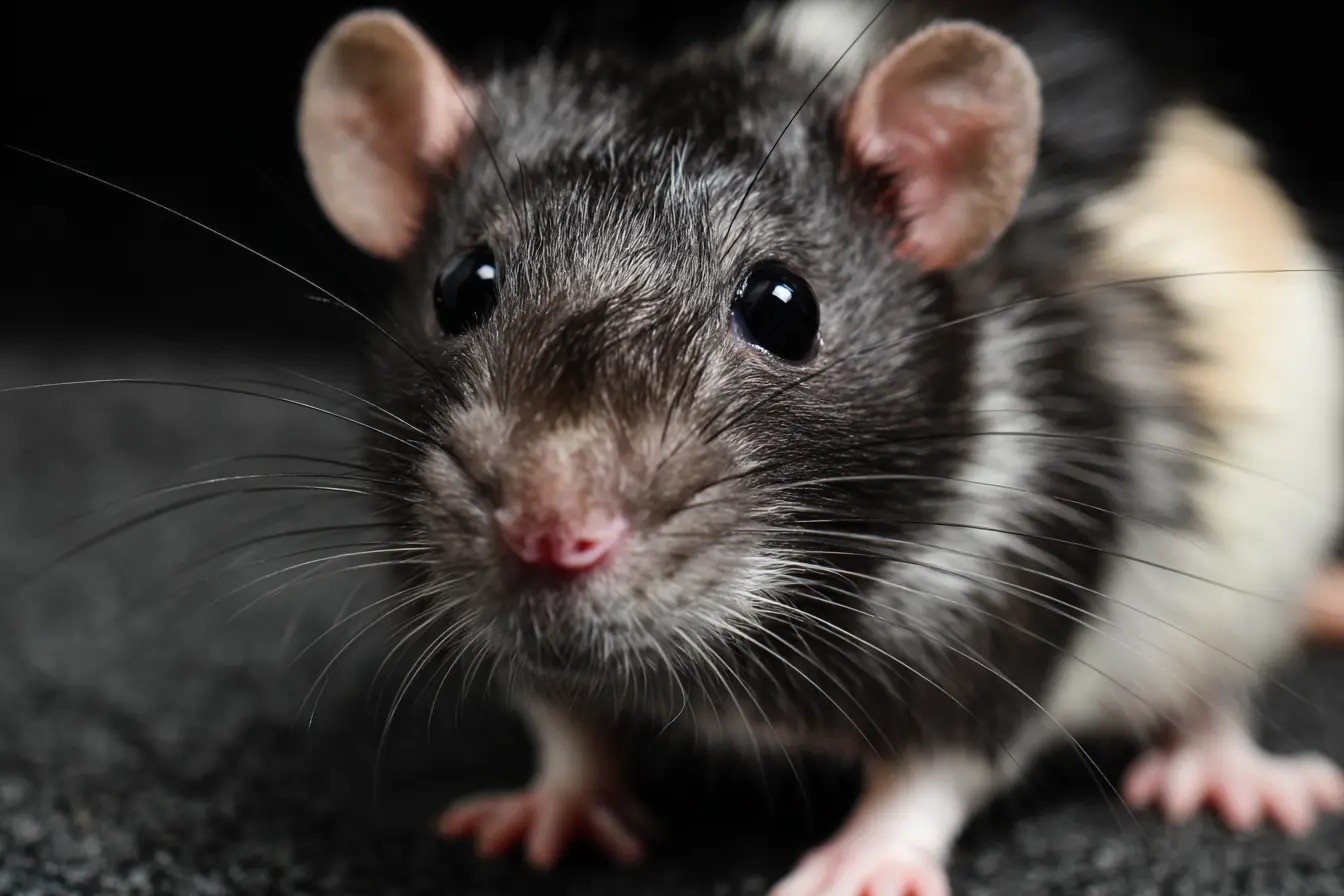
Double rex rats are a striking and unusual variety of fancy rat, instantly recognisable for their patchy coats and soft, velvety skin. Loved by enthusiasts for their distinctive appearance and affectionate natures, they make fascinating companions. However, their unique coat type also means they may need extra care compared to standard fancy rats.
In this post, we’ll explore everything you need to know about double rex rats, including their origins, appearance, housing, diet, health, and suitability as pets.
What Are Double Rex Rats?
The double rex rat is not a separate species, but a genetic variation of the fancy rat (Rattus norvegicus domestica). The rex gene causes curly fur and whiskers, and when a rat inherits two copies of this gene, the result is the double rex.
Double rex rats typically have:
Patchy or incomplete coats
Areas of bare skin that may change over time
A velvety texture to their fur and skin
Whiskers that are curled, shortened, or broken
Their coats can change throughout their lives, with hair sometimes growing back in patches or thinning as they age. This “mismatched” appearance makes them particularly distinctive.
Key Characteristics
Size: 20–25 cm body length, with a tail of similar length
Weight: 250–700 g (females are typically lighter than males)
Lifespan: 2–3 years on average
Temperament: Affectionate, intelligent, playful, and social
Appearance: Patchy or velvety coat, often with bald areas; curly or shortened whiskers
Despite their unusual looks, double rex rats share the same personality traits as other fancy rats. They are curious, clever, and love human interaction.
Social Needs
Double rex rats, like all rats, are highly social and must never be kept alone. Companionship with other rats is essential to their wellbeing.
Social Groups:
Same-sex pairs or groups work well for most keepers
Rats are happiest in trios or small colonies
Bonding should be done carefully, as introductions can be stressful if rushed
A single rat will quickly become depressed and withdrawn. Double rex rats, despite their coat type, thrive in the same social structures as any other fancy rat.
Housing and Environment
Double rex rats require the same housing as other fancy rats, but with a few extra considerations due to their lack of a full coat.
Cage Requirements:
Minimum size: 80 cm x 50 cm x 80 cm for a pair or trio (larger is better)
Type: Wire cage with multiple levels, ramps, and hammocks; avoid aquariums with poor ventilation
Bar spacing: No more than 1.5 cm (smaller for young rats)
Bedding: Paper-based, aspen, or hemp; avoid pine and cedar (toxic)
Nesting material: Shredded paper or tissue (no fluffy bedding)
Enrichment: Ropes, tunnels, hammocks, digging boxes, ladders, chew toys, and solid wheels
Special Considerations:
Warmth: Double rex rats may need extra warmth, as their patchy coats provide less insulation. Hammocks, fleece hides, or a warm room temperature (around 20–24°C) are recommended.
Skin care: Their exposed skin can be sensitive; avoid sharp cage accessories or abrasive bedding.
Diet and Nutrition
Double rex rats have the same dietary needs as other fancy rats, requiring a balanced, omnivorous diet.
Suggested Diet:
Staple diet: High-quality rat nuggets or lab blocks
Fresh vegetables: Kale, broccoli, peas, carrots, cucumber, courgette
Fruits: Apples, pears, bananas, berries (in moderation)
Protein: Cooked chicken, boiled egg, fish, tofu, or mealworms
Treats: Wholegrain pasta, oats, rice, or seeds (sparingly)
Avoid: Citrus fruits (especially for males), chocolate, onions, raw beans, sugary or processed foods
Fresh water must always be available in bottles or bowls.
Handling and Behaviour
Double rex rats are affectionate and interactive, often enjoying human company just as much as their fancy or rex relatives.
Handling Tips:
Support their body fully when lifting
Handle gently, as their skin may be more sensitive to scratches
Start with hand-feeding and short sessions to build trust
Provide daily out-of-cage time for exercise and bonding
Double rex rats can learn tricks, respond to their names, and even use litter trays. They are intelligent, trainable, and often very cuddly.
Unique Traits
Double rex rats stand out for several reasons:
Patchy coats: Their fur can come and go, creating a mottled or “velvety” look
Curly whiskers: Whiskers are often bent or broken, adding to their unique charm
Skin sensitivity: Their exposed skin requires more care and protection
Changing appearance: Their coat can look different at various stages of life
These quirks make them visually striking and highly sought-after by enthusiasts.
Health and Common Issues
While generally healthy, double rex rats are prone to a few issues related to their coat type, in addition to the usual health concerns of fancy rats.
Common Health Concerns:
Respiratory disease: Mycoplasma and other infections are common in all fancy rats
Tumours: Mammary tumours and pituitary tumours are frequent
Skin problems: Dryness, scratches, or irritation due to exposed skin
Temperature sensitivity: They may get cold more easily than fully coated rats
Parasites: Mites or lice can affect bare skin more noticeably
A warm, clean environment and regular health checks are essential. A vet experienced in small mammals is strongly recommended.
Is a Double Rex Rat Right for You?
Double rex rats are ideal for:
Enthusiasts who appreciate their unique appearance
Keepers who can provide warmth and gentle handling
Families with older children who understand delicate pets
People who want affectionate, intelligent, interactive companions
They are not recommended for:
Very young children (due to sensitive skin and delicate handling needs)
Those seeking a “low-maintenance” pet
Keepers unable to maintain warmth, cleanliness, and daily social time
Conclusion
Double rex rats are affectionate, intelligent, and playful, just like other fancy rats, but with a unique look that makes them stand out. Their velvety skin and patchy coats give them a distinctive charm, though they do require extra care when it comes to warmth and handling.
For experienced keepers ready to meet their needs, double rex rats can be endlessly rewarding companions. Their interactive personalities, striking appearance, and love of human company make them a wonderful choice for those seeking a truly unique small pet.
Quick questions
- What should I know about double rex rats?
- Double rex rats are a unique type of pet rat, known for their patchy coats and velvety skin. These rats, a genetic variation of fancy rats, need specific care due to their unusual appearance. Vet Verified can help you compare UK veterinary practices by location, species, services and opening hours before you call.
- When should I contact a vet about double rex rats?
- Contact a veterinary practice if your pet seems unwell, symptoms are getting worse, you are unsure what to do, or the situation may be urgent. Vet Verified helps you compare practice details, but a vet should advise on your pet's current care.
- Can Vet Verified help me find bird vets?
- Yes. Use Vet Verified to compare bird vets across the UK, then check practice profiles and call directly to confirm current availability.
Find a vet
Find a veterinary practice
Compare UK veterinary practices related to this topic. Call the practice to confirm its current services and availability.