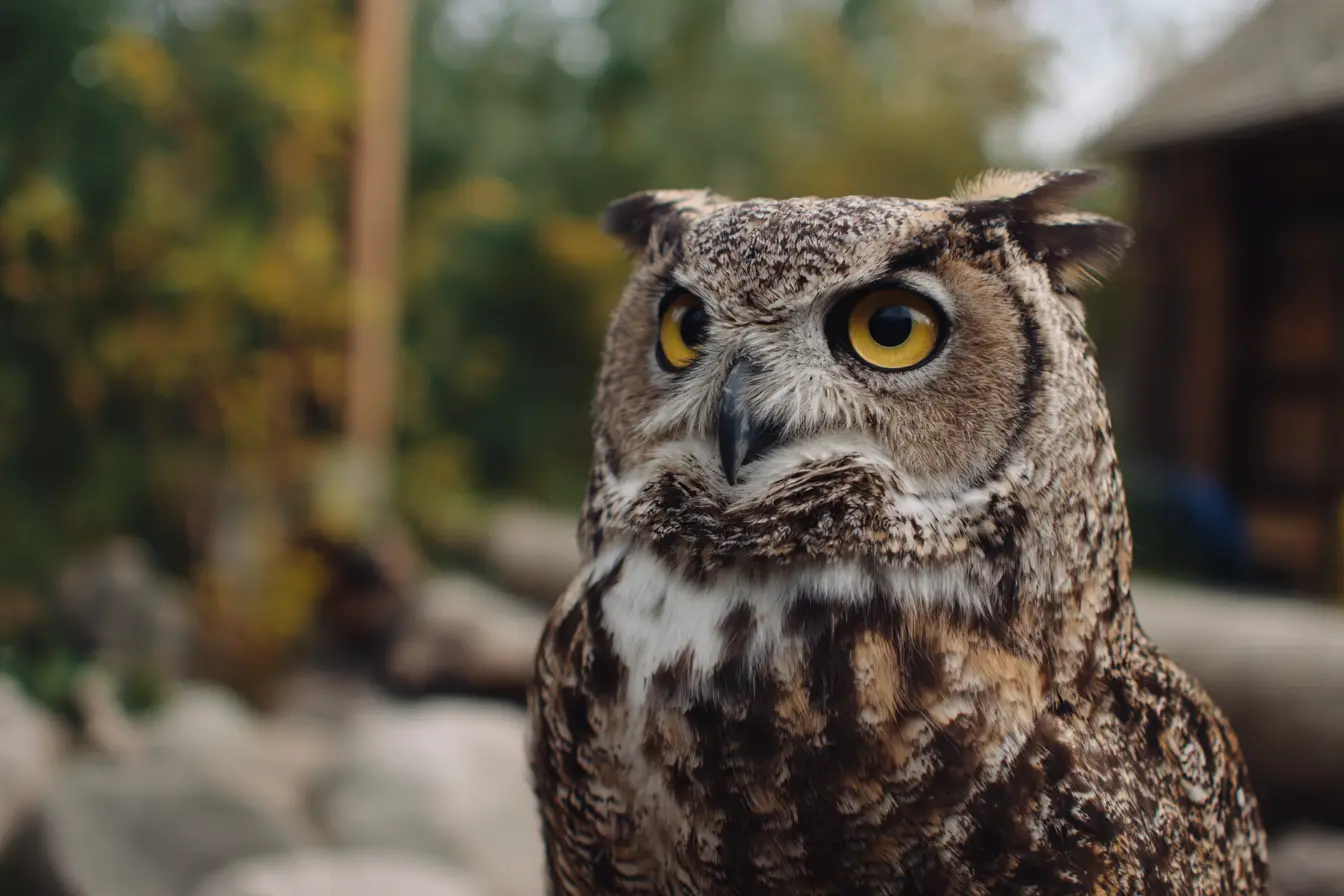
Feeding birds of prey is one of the most important aspects of their care, whether they are kept for falconry, conservation, rehabilitation, or public displays. Raptors require a diet that closely replicates what they would eat in the wild - whole prey that provides not only muscle meat but also bones, feathers or fur, and organs. Correct feeding ensures they stay healthy, fit, and ready to perform at their best. This guide covers everything you need to know to get started, from prey selection to feeding schedules and hygiene.
Understanding the Natural Diet
Birds of prey are obligate carnivores, meaning they rely entirely on animal matter for nutrition. In the wild, different species have different diets:
Falcons: Small to medium birds, pigeons, ducks, and sometimes small mammals.
Hawks: Rabbits, squirrels, pheasants, and other ground prey.
Eagles: Larger mammals and birds, plus carrion.
Owls: Rodents, small birds, amphibians, and insects.
Captive diets aim to mimic this variety while ensuring prey is safe and disease-free.
Types of Prey
Commonly Used in the UK
Day-old chicks: High in protein; often used for training and maintenance.
Quail: A balanced option with good protein-to-fat ratio.
Pigeon: Excellent for falcons; feathers aid digestion.
Rabbit: Rich in nutrients; ideal for hawks and eagles.
Mice and Rats: Common for owls and smaller raptors.
Partridge or Pheasant: Good for hunting species to maintain fitness.
Variety is Key
Feeding only one type of prey can lead to nutritional imbalances. Rotating between different species ensures a more complete nutrient profile.
Preparing and Handling Prey
Frozen Prey: Most prey is purchased frozen; thaw it in the fridge overnight to retain nutritional value.
Never Microwave: Uneven heating can create hot spots that burn the bird’s crop or destroy nutrients.
Hygiene: Use separate utensils and surfaces for preparing bird food; wash thoroughly after each use.
Remove Spoiled Food: Uneaten prey should be removed promptly to avoid attracting pests or causing illness.
Feeding Frequency
Daily Feeding: Most birds are fed once a day, with portion size adjusted according to training, exercise, and hunting activity.
Hunting Days: Birds may eat in the field after a successful hunt, with portion sizes reduced or adjusted later.
Moulting Season: Birds are often fed more generously to support feather growth.
Fasting: Occasionally used in falconry to control weight, but must be done carefully to avoid harming the bird.
Weight Management
In falconry, weight control is critical for training and performance:
Flying Weight: The ideal weight at which the bird is responsive and alert but still strong.
Weigh the bird daily on accurate scales (to within 1g) at the same time each day.
Record weights to monitor health and performance.
Supplements
In most cases, whole prey provides complete nutrition, but certain circumstances may require supplements:
Calcium and Vitamins: Sometimes added for breeding birds or those on restricted diets.
Electrolytes: Used after heavy exertion or in hot weather.
Always consult an avian vet before adding supplements.
Special Considerations by Species
Falcons: Benefit from feathered prey to aid digestion and crop health.
Hawks: Thrive on a mix of furred and feathered prey.
Owls: Require smaller, more frequent meals for optimal digestion.
Eagles: Can handle larger portions and may be fed every other day in some management systems.
Common Feeding Mistakes to Avoid
Feeding Only Day-old Chicks: Lacks certain vitamins and minerals if not varied.
Allowing Obesity: Overfeeding reduces fitness and hunting ability.
Improper Thawing: Can cause bacterial growth or nutrient loss.
Leaving Food in the Aviary Overnight: Attracts vermin and increases disease risk.
Hygiene and Safety
Disinfect perches, feeding areas, and equipment regularly.
Wear gloves when handling raw prey.
Dispose of waste responsibly to prevent attracting pests.
Conclusion
Feeding birds of prey is far more than just offering meat, it’s about replicating their natural diet, ensuring nutritional balance, and maintaining peak fitness. By providing a variety of whole prey, practicing strict hygiene, and carefully managing weight, you can keep your bird healthy, strong, and ready for hunting, display, or release. In falconry especially, feeding is as much a part of training as any creance session or lure flight, and mastering it is key to building a strong bond with your raptor.
Quick questions
- What should I know about feeding birds of prey?
- Feeding birds of prey is crucial for their care, especially in activities like falconry and conservation. Raptors need a diet similar to what they eat in the wild, including whole prey with bones, feathers or fur, and organs. Vet Verified can help you compare UK veterinary practices by location, species, services and opening hours before you call.
- When should I contact a vet about feeding birds of prey?
- Contact a veterinary practice if your pet seems unwell, symptoms are getting worse, you are unsure what to do, or the situation may be urgent. Vet Verified helps you compare practice details, but a vet should advise on your pet's current care.
- Can Vet Verified help me find bird vets?
- Yes. Use Vet Verified to compare bird vets across the UK, then check practice profiles and call directly to confirm current availability.
Find a vet
Find a veterinary practice
Compare UK veterinary practices related to this topic. Call the practice to confirm its current services and availability.