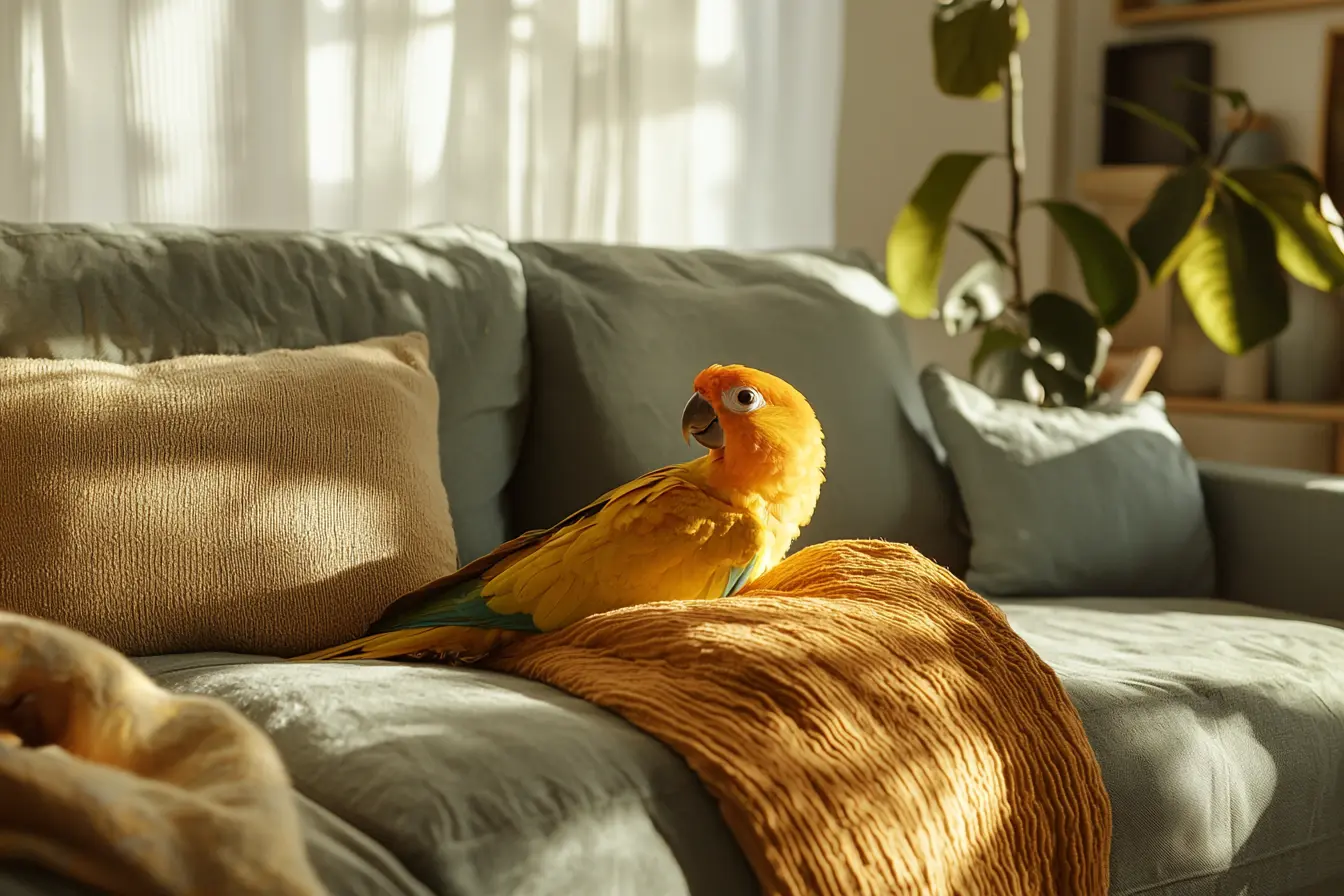
Conures are popular pet birds in the UK, prized for their bright plumage, spirited personality, and affectionate nature. These small to medium-sized parrots are part of the larger parrot family and make delightful companions due to their playful demeanour and vocal abilities. If you're considering adopting a conure, it's important to understand their care requirements to ensure a happy, healthy life together. This guide covers everything from choosing the right conure to providing optimal care.
Choosing Your Conure
Types of Conures
Conures come in many varieties, each with unique characteristics:
Sun Conure: Known for their stunning orange and yellow plumage and outgoing personality.
Green-cheeked Conure: More subdued in colour but known for being playful and quieter than their Sun Conure counterparts.
Jenday Conure: Similar in appearance to the Sun Conure, they are vibrant and affectionate.
Where to Buy
Reputable Breeders: A reputable breeder can provide a healthy, well-socialised bird and valuable aftercare advice.
Pet Stores: Choose stores known for their animal welfare practices and knowledgeable staff.
Rescue Organisations: Adopting a conure from a rescue centre can be rewarding and gives a bird a second chance at a loving home.
Selection Tips
Health: Look for a conure that is active, alert, and shows no signs of respiratory distress. The feathers should be bright and well-kept, and the eyes should be clear and lively.
Temperament: Try to interact with the bird at the breeder's, store, or rescue to gauge its personality. A friendly and curious bird is often a good sign.
Setting Up Your Home
Cage Requirements
Size: The cage for a conure should be large enough to allow for flight and exercise. A minimum size of 24 x 24 x 30 inches is recommended.
Placement: Keep the cage in a well-lit area but away from direct sunlight and drafts. The living area should be free from environmental hazards and excessive noise to avoid stress.
Essentials
Perches: Provide various sizes of perches to help maintain healthy feet and offer comfort.
Toys: Conures are intelligent and need mental stimulation; include toys for foraging, climbing, and chewing.
Food and Water Dishes: Preferably, these should be fixed securely to the cage to avoid tipping.
Nutrition
Diet
Pellets: Formulated pellets should make up about 60-70% of a conure's diet, providing essential nutrients.
Fresh Foods: Daily vegetables and occasional fruits are crucial. Safe choices include carrots, apples, and dark leafy greens.
Treats: Seeds and nuts can be offered in moderation as treats.
Foods to Avoid
Never feed chocolate, avocado, or caffeine, as these are toxic to birds. Also avoid anything salty or fatty.
Health and Maintenance
Regular Vet Visits
Regular check-ups with an avian vet are essential to monitor the health of your conure.
Signs of Illness: Watch for changes in behaviour, feeding patterns, or droppings, which could indicate health issues.
Daily Care
Cleaning: Clean the cage and accessories daily to prevent disease.
Bathing: Provide a shallow dish of water for bathing several times a week to help maintain feather condition.
Social Interaction and Training
Interaction
Conures thrive on social interaction and need daily engagement to prevent boredom and encourage bonding.
Spend time each day talking and playing with your conure to foster a deep bond.
Training
Conures are clever and can learn tricks and commands. Training sessions are an excellent way to engage their minds and strengthen your relationship.
Legal Considerations
Wildlife and Countryside Act 1981
Ensure that any species you keep complies with local wildlife laws, particularly if considering a less common conure species.
Conclusion
Owning a conure can be a delightful experience, as these birds are known for their vibrant personalities and affectionate nature. With the right care, including a suitable environment, proper diet, and regular interaction, your conure can be a joyful and engaging companion for many years. Whether you choose a Sun, Green-cheeked, or Jenday conure, these birds have the potential to bring a lot of love and laughter into your home.
Quick questions
- What should I know about conure?
- Conures are popular pet birds in the UK, celebrated for their vivid feathers, lively personality, and affectionate temperament. Vet Verified can help you compare UK veterinary practices by location, species, services and opening hours before you call.
- When should I contact a vet about conure?
- Contact a veterinary practice if your pet seems unwell, symptoms are getting worse, you are unsure what to do, or the situation may be urgent. Vet Verified helps you compare practice details, but a vet should advise on your pet's current care.
- Can Vet Verified help me find bird vets?
- Yes. Use Vet Verified to compare bird vets across the UK, then check practice profiles and call directly to confirm current availability.
Find a vet
Find a veterinary practice
Compare UK veterinary practices related to this topic. Call the practice to confirm its current services and availability.