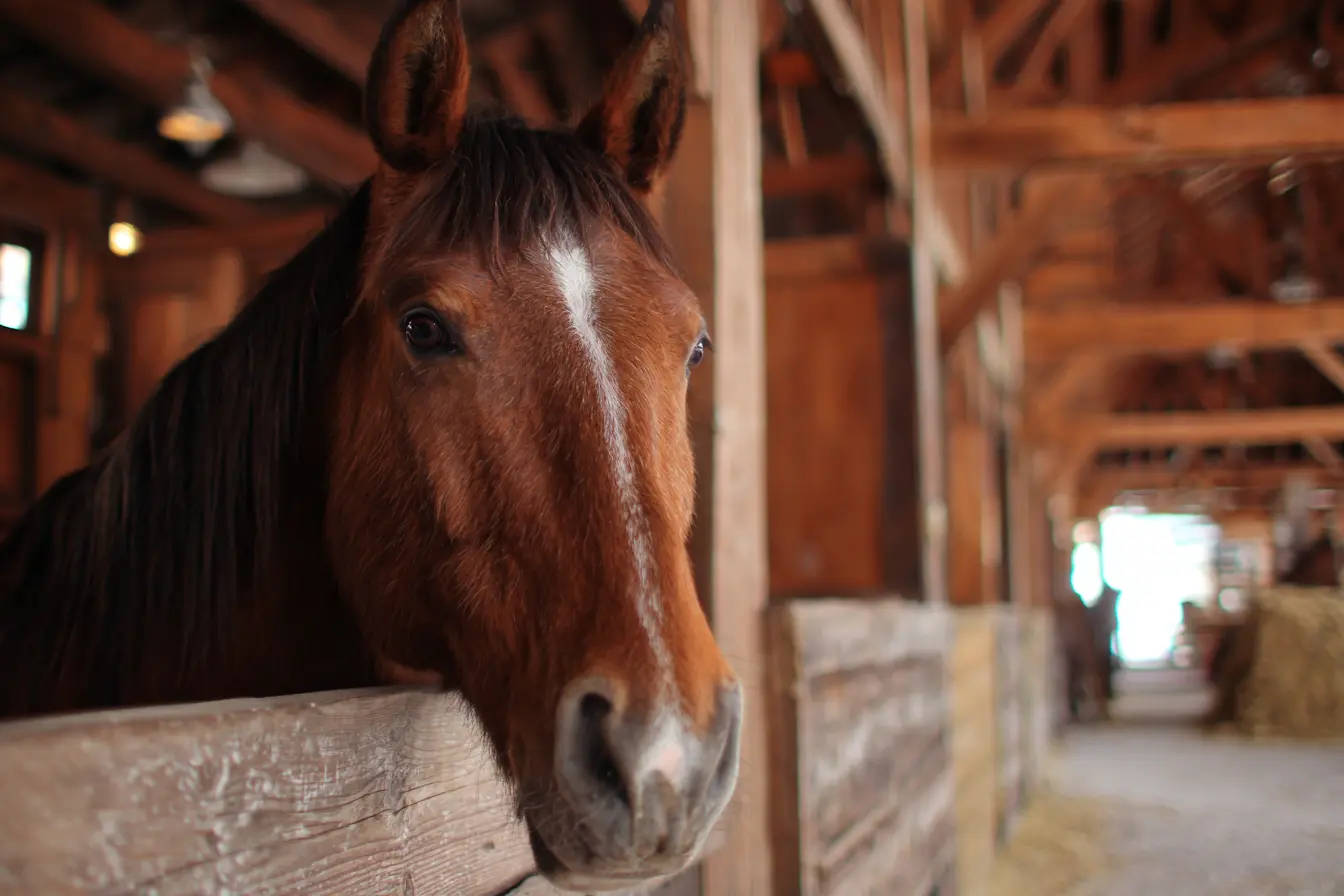
The sight of a shod horse is familiar, yet not every horse wears shoes. In fact, whether a horse needs shoes depends on a combination of workload, environment, hoof quality and individual conformation. Horses evolved to roam vast distances over varied terrain, naturally wearing their hooves down at a balanced rate. Modern management, however, often changes that equation.
Understanding why some horses need shoes, and why others do not, helps owners make informed decisions about hoof care and long-term soundness.
Understanding the Hoof
The hoof is a complex, weight-bearing structure made primarily of keratin, similar to human fingernails but far stronger. It protects internal structures including:
The coffin bone
The digital cushion
Sensitive laminae
Blood vessels and nerves
A healthy hoof grows continuously, typically around 8–10 millimetres per month. In ideal conditions, growth matches natural wear. However, when wear exceeds growth, or when additional support is needed, shoes may be beneficial.
Protection From Excessive Wear
One of the most common reasons for shoeing is simple protection.
Horses that work regularly on hard or abrasive surfaces such as roads, stony tracks or compacted ground may wear their hooves down faster than they can grow. When this happens, the sole can become thin, leading to soreness or lameness.
Shoes create a protective barrier between the hoof and the ground, reducing excessive wear and preventing discomfort.
This is particularly relevant for:
Riding school horses
Carriage horses
Endurance horses covering long distances
Horses exercised frequently on tarmac
Without protection, some horses would become footsore and unable to maintain their workload.
Improving Traction
Shoes can also improve grip in certain conditions.
On grass, mud or icy surfaces, horses may slip, increasing the risk of injury to both horse and rider. Shoes can be fitted with studs or designed with additional traction features to enhance stability.
This is especially important in:
Eventing
Show jumping
Hunting
Driving competitions
Traction devices must be used carefully, as too much grip can increase strain on joints and soft tissues.
Corrective and Therapeutic Reasons
Not all shoeing is routine. In many cases, shoes are used as part of a veterinary and farriery treatment plan.
Corrective or therapeutic shoeing may help manage:
Conformational imbalances
Hoof wall cracks
Laminitis
Navicular syndrome
Tendon or ligament injuries
Uneven weight distribution
Specialist shoes can redistribute weight, support weakened structures or alter breakover (the moment the hoof leaves the ground during movement).
For example:
Heart bar shoes may be used in laminitis cases
Egg bar shoes can provide additional heel support
Wedge shoes may alter hoof angle when clinically indicated
Therapeutic shoeing should always be guided by a qualified farrier in consultation with a vet.
Supporting Heavy or Large Horses
Larger horses, particularly those carrying significant weight or pulling loads, place greater strain on their hooves. Shoes can provide additional structural support, helping maintain hoof integrity under increased load.
Draft horses, carriage horses and larger sport horses may benefit from the added durability shoes provide.
Workload and Discipline
A horse in light work on soft pasture may cope perfectly well barefoot. In contrast, a horse in consistent, high-intensity training may require shoes to remain comfortable and sound.
Factors influencing the need for shoes include:
Frequency and duration of exercise
Type of terrain
Rider weight
Competitive discipline
Hoof quality
Each horse must be assessed individually rather than following a blanket rule.
Hoof Quality and Genetics
Some horses have naturally strong, thick hoof walls and soles. Others may have brittle, thin or slow-growing hooves.
Genetics, nutrition and overall health all influence hoof strength. Horses with weaker hoof horn may struggle barefoot, particularly under regular work, and may require shoes to prevent splitting or cracking.
Balanced nutrition, including adequate biotin, zinc and amino acids, plays an important role in maintaining hoof health regardless of shoeing status.
Barefoot vs Shod: There Is No One-Size-Fits-All
The barefoot movement has grown in popularity, and many horses thrive without shoes when managed appropriately. However, barefoot management requires:
Regular trimming
Suitable terrain
Controlled workload
Careful transition planning
Some horses adapt well; others remain persistently footsore without protection.
The key question is not whether shoes are “better” or “worse,” but whether the individual horse is comfortable and performing well.
Signs a Horse May Need Shoes
A horse may benefit from shoeing if you notice:
Persistent tenderness on hard ground
Excessive hoof wear
Frequent chipping or cracking
Reluctance to move forward on certain surfaces
Reduced performance due to foot discomfort
Conversely, a comfortable, sound horse with strong hooves may not require shoes at all.
The Importance of Professional Assessment
Hoof care should always involve a qualified farrier, and in some cases, a veterinarian. Regular trimming, typically every 5–8 weeks, is essential whether a horse is barefoot or shod.
Routine assessment allows early identification of imbalances or developing issues before they affect soundness.
Conclusion
Horses may need shoes for protection, traction, corrective support or to meet the demands of modern workloads. While some horses thrive barefoot, others require the added durability and stability that shoes provide.
There is no universal answer. The right decision depends on the individual horse’s conformation, hoof quality, environment and workload. With careful assessment and regular professional care, hoof management can be tailored to support both comfort and long-term soundness.
Quick questions
- What should I know about horse shoes?
- Shoes for horses can be necessary depending on workload, environment, and hoof quality. Horses evolved to manage their hooves naturally, but today, shoes can offer protection and support. Vet Verified can help you compare UK veterinary practices by location, species, services and opening hours before you call.
- When should I contact a vet about horse shoes?
- Contact a veterinary practice if your pet seems unwell, symptoms are getting worse, you are unsure what to do, or the situation may be urgent. Vet Verified helps you compare practice details, but a vet should advise on your pet's current care.
- Can Vet Verified help me find horse vets?
- Yes. Use Vet Verified to compare horse vets across the UK, then check practice profiles and call directly to confirm current availability.
Find a vet
Find a veterinary practice
Compare UK veterinary practices related to this topic. Call the practice to confirm its current services and availability.