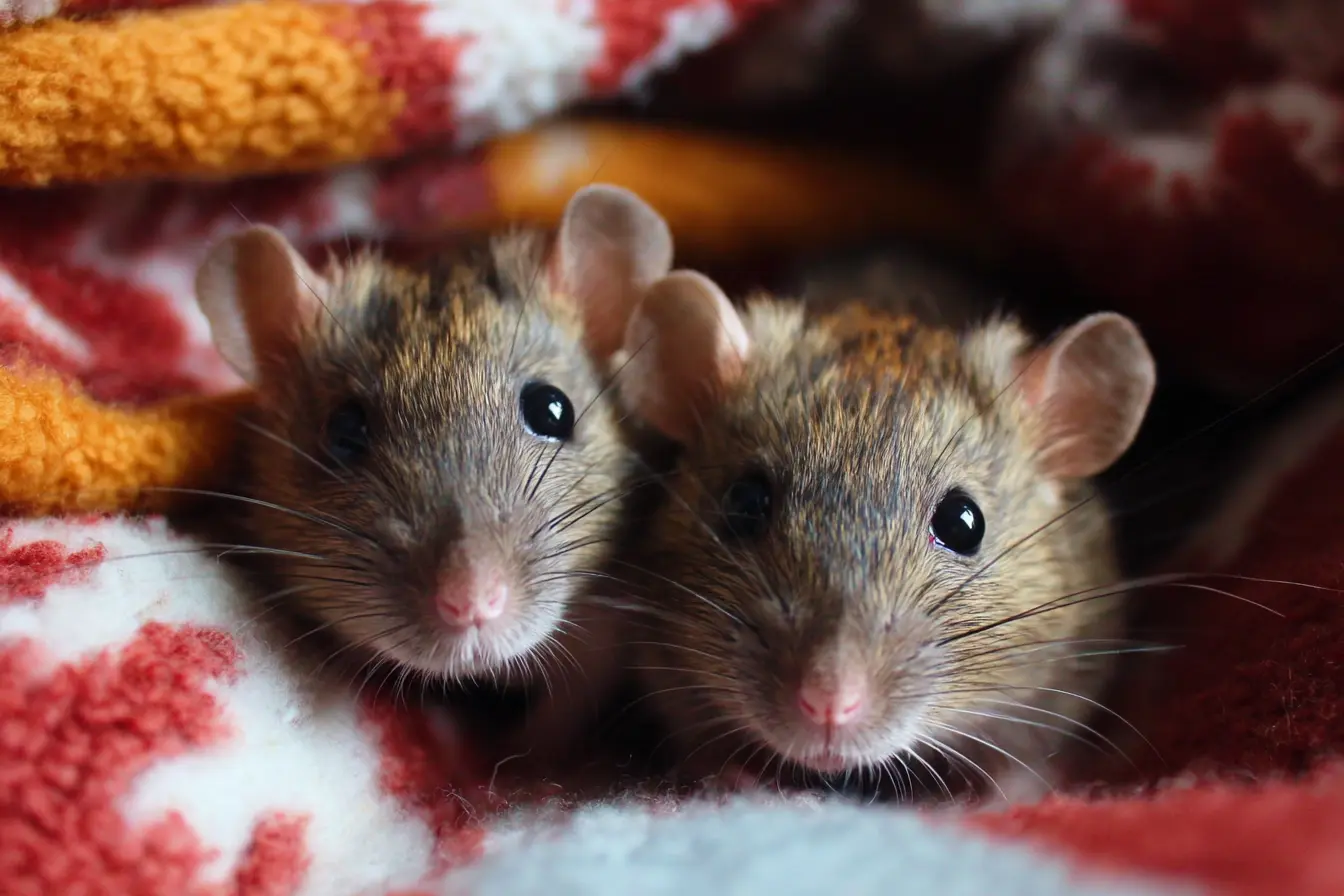
Dwarf rats are a charming and unusual variety of fancy rat, loved for their small size, lively personalities, and adorable appearance. Though they are physically smaller than standard fancy rats, they share many of the same behaviours and needs, and they can make wonderful companions for keepers who understand their differences.
In this post, we’ll cover everything you need to know about dwarf rats, from their traits and origins to housing, diet, handling, health, and whether they might be the right choice for you.
What Are Dwarf Rats?
Dwarf rats are a genetic variety of the domesticated fancy rat (Rattus norvegicus domestica) that carry a recessive dwarfism gene. This gene reduces their overall size to about one-third that of a standard rat, while leaving most other characteristics unchanged.
They were first established as a recognised variety in breeding circles in the early 2000s and have since become increasingly popular among enthusiasts. Dwarf rats can be found in the same wide range of colours, markings, and coat types as standard fancy rats (including dumbo, rex, and satin).
Key Characteristics
Size: 7–10 cm body length, with a tail of similar length (roughly one-third the size of standard rats)
Weight: 80–150 g (compared to 250–700 g for standard rats)
Lifespan: 2–3 years on average (some breeders report that dwarfs may live slightly longer than standards)
Temperament: Curious, active, intelligent, and social
Appearance: Small, delicate build with the same variety of colours, markings, and coats as standard fancy rats
Their small size makes them especially appealing to keepers who want a unique variety that requires less space, although their energy levels are often higher.
Social Needs
Despite their smaller size, dwarf rats are just as social as their standard counterparts. They must be kept in groups to thrive.
Social Structures:
Same-sex pairs or groups are recommended for non-breeding households
Dwarfs can happily live with standard-sized rats if introduced properly, although supervision is important due to the size difference
Groups of three or more provide the best balance of companionship and enrichment
Lonely rats become depressed and unhealthy, so keeping dwarfs in a bonded group is essential.
Housing and Environment
One of the advantages of dwarf rats is that they require less space than standard rats. However, they are very active and enjoy exploring, so providing enrichment is just as important.
Cage Requirements:
Minimum size: 60 cm x 40 cm x 60 cm for a pair of dwarfs (smaller than the minimum for standard rats)
Type: Multi-level wire cages with narrow bar spacing (no more than 1 cm, as dwarfs are excellent escape artists)
Bedding: Paper-based, hemp, or aspen bedding; avoid pine and cedar shavings (toxic)
Nesting material: Shredded paper or tissue (no cotton wool)
Enrichment: Hammocks, ropes, tunnels, cardboard boxes, climbing toys, digging boxes, and chew toys
Special Considerations:
Because of their size, dwarfs can slip through bar gaps that would contain a standard rat. Always ensure cages are escape-proof.
They are quick and energetic, so extra caution is needed during out-of-cage play to keep them safe.
Diet and Nutrition
Dwarf rats require the same diet as standard rats, but in smaller portions due to their size and metabolism.
Suggested Diet:
Staple diet: High-quality rat nuggets or lab blocks
Vegetables: Kale, broccoli, peas, carrots, courgette, cucumber
Fruits: Small amounts of apple, banana, or berries (sparingly due to sugar)
Protein: Cooked chicken, egg, tofu, or fish offered occasionally
Treats: Tiny amounts of seeds, oats, or wholegrain pasta
Avoid: Citrus fruits (especially for males), chocolate, onions, sticky foods, raw beans, and processed junk foods
Fresh water must always be available. Because dwarfs are small, it is important to monitor portion sizes to prevent obesity.
Handling and Behaviour
Dwarf rats are known for being lively and fast-moving compared to standard fancy rats. While affectionate, they may be a little more challenging to handle due to their speed and size.
Handling Tips:
Handle them gently and with both hands to prevent accidental drops
Sit on the floor or a soft surface when first handling to avoid injuries if they leap
Begin with short, positive sessions to build trust
Allow daily out-of-cage play in a safe, secure space
With patience, dwarf rats can become tame, affectionate, and interactive companions.
Unique Traits
Dwarf rats differ from standard fancy rats in several ways:
Small size: Only about one-third of the size of a standard rat
High energy: More active and lively, requiring plenty of enrichment
Longer lifespan: Some evidence suggests dwarfs may live slightly longer than standards
Escape ability: Their small size means they can slip through small gaps more easily
Compatibility: They can live with standard rats, but introductions should be managed carefully
Health and Common Issues
Dwarf rats are generally healthy, though their small size does bring some considerations.
Common Health Concerns:
Respiratory infections: Common in all fancy rats, regardless of size
Tumours: Mammary tumours and pituitary tumours can still occur, though some keepers report slightly lower incidence in dwarfs
Injuries: Their small size and energetic behaviour mean they may be more prone to falls or accidents if not supervised
Obesity: Overfeeding can quickly lead to weight gain in such a small animal
As with any rat, a clean environment, good nutrition, and an experienced vet are vital.
Is a Dwarf Rat Right for You?
Dwarf rats are ideal for:
Enthusiasts seeking an unusual and less common variety
People who enjoy energetic, playful pets
Families with older children who understand gentle handling
Keepers with limited space who still want a group of rats
They are not recommended for:
Very young children (due to their delicate size and quick movements)
First-time keepers seeking an easier introduction to rat care
Homes where supervision and escape-proofing cannot be ensured
Conclusion
Dwarf rats are lively, intelligent, and social pets that bring all the charm of fancy rats in a much smaller package. Their tiny size makes them unique, but their care requirements such as social companionship, spacious and enriched housing, a balanced diet, and daily interaction remain the same.
For dedicated keepers who are ready to embrace their energetic nature and take precautions for their size, dwarf rats offer a delightful and distinctive pet-keeping experience.
Quick questions
- What should I know about dwarf rats?
- Dwarf rats are a small variety of fancy rat, featuring lively personalities and small size. Vet Verified can help you compare UK veterinary practices by location, species, services and opening hours before you call.
- When should I contact a vet about dwarf rats?
- Contact a veterinary practice if your pet seems unwell, symptoms are getting worse, you are unsure what to do, or the situation may be urgent. Vet Verified helps you compare practice details, but a vet should advise on your pet's current care.
- Can Vet Verified help me find bird vets?
- Yes. Use Vet Verified to compare bird vets across the UK, then check practice profiles and call directly to confirm current availability.
Find a vet
Find a veterinary practice
Compare UK veterinary practices related to this topic. Call the practice to confirm its current services and availability.