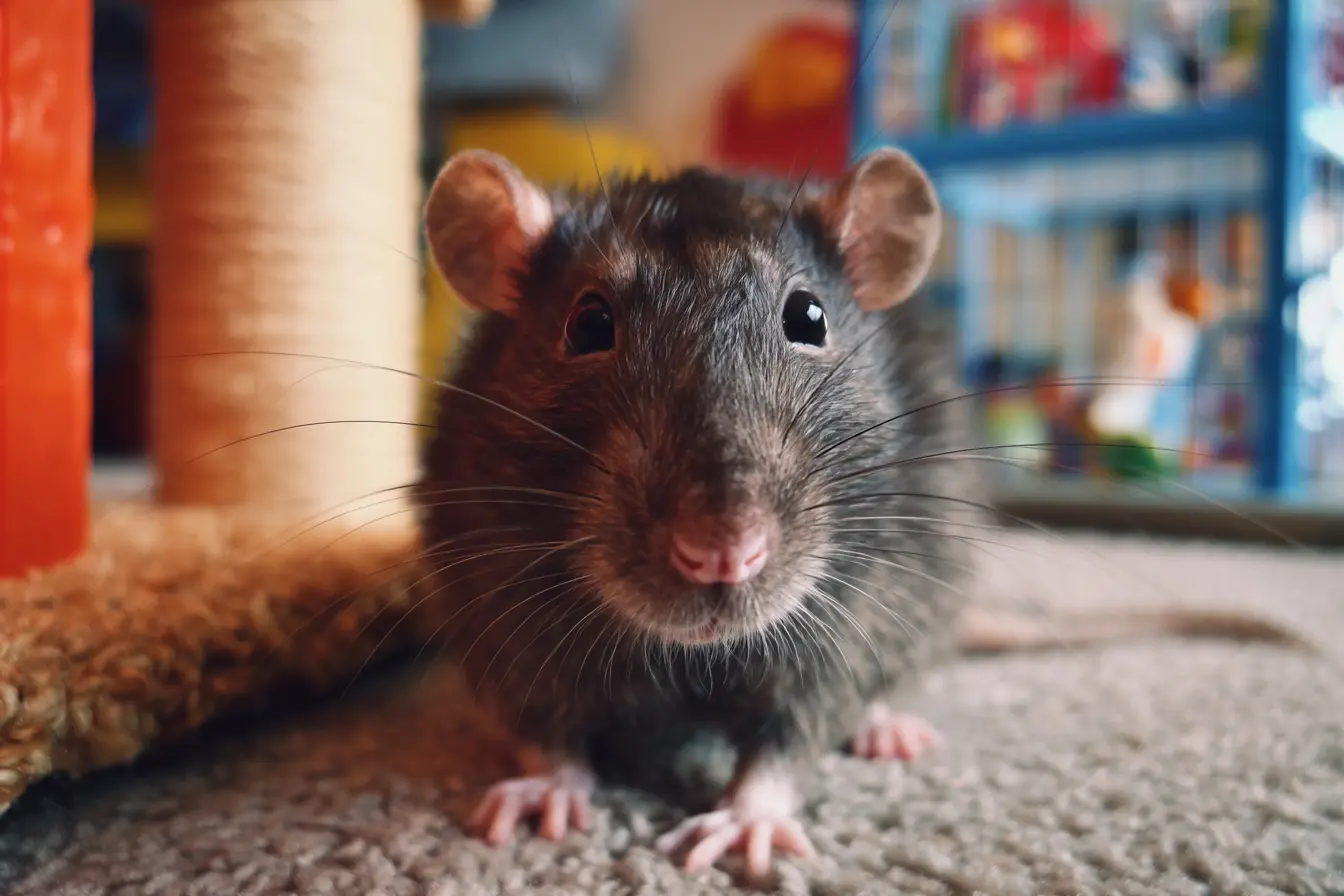
Domestic rats (Rattus norvegicus domestica) are beloved pets admired for their intelligence, curiosity, and extraordinary variety of coat patterns. For many keepers, a rat’s markings are more than decoration, they represent fascinating genetic history, selective breeding, and the remarkable diversity within the fancy rat community. Understanding these patterns can enrich your appreciation of the species and help you choose rats responsibly and knowledgeably.
This guide explores the full spectrum of coat patterns, beginning with the most familiar and progressing into more advanced and unusual varieties. It is written to provide clarity, structure, and practical insight for rat keepers, breeders, and enthusiasts alike.
How Coat Patterns Work
A rat’s coat pattern is governed by genes that control how pigment is distributed across the body. Some genes create sharp, clearly defined markings, while others produce soft gradients, scattered spots, or gradual colour changes over time. These genes often interact, meaning the same pattern can look different from rat to rat depending on the rest of their genetic makeup.
A few key points to bear in mind:
Temperament always comes first - markings do not affect personality.
Patterns vary widely - even within the same type, expression can differ dramatically.
Colour and pattern are separate- they mix freely to create endless combinations.
Ethical breeding matters - some high-white genes require careful management to avoid health issues.
With this foundation in place, we can explore the world of rat markings in detail.
Classic and Common Markings
These widely recognised patterns provide the building blocks for many more advanced combinations. Most are stable, well-understood, and often used in breeding programmes due to their predictability.
Irish
Irish rats have a solid body colour paired with a small, centred white patch on the chest or belly. Some may also have white feet. This tidy, minimal marking is often the first introduction to the effects of white-spotting genetics.
Berkshire
Berkshire rats display a white belly contrasting with a solid-coloured back and sides. The white usually stretches from chin to tail tip and may be complemented by white feet or a small head spot. Their symmetrical, tidy appearance makes them especially popular.
Hooded
One of the most iconic markings, hooded rats have a coloured “hood” over the head and shoulders, with a stripe or saddle running down the spine. The rest of the body is white. The dorsal stripe can be bold, broken, wide, thin, or fuzzy; variations that reflect the underlying genetics.
Capped
Capped rats have a coloured head only, with the rest of the body remaining white. The sharp contrast makes this a striking pattern. However, because capped rats tend to fall within high-white genetic lines, careful breeding is essential to avoid associated health risks.
Variegated
Variegated rats are mostly white with irregular splotches, flecks or patches of colour across the body. They often have additional facial markings such as blazes or head spots. The unpredictability of the pattern means every variegated rat is unique, though large amounts of white require breeding caution.
Blaze
A blaze is a white stripe running from the nose up between the eyes. It can appear alongside patterns such as variegated, Berkshire, and hooded. Blazes add dramatic contrast but may appear in high-white lines, requiring thoughtful breeding.
Siamese
Siamese rats have pale cream coats with darker “points” on the nose, ears, feet, and tail base. This temperature-sensitive colouring deepens with age, giving Siamese rats their characteristic soft, shaded appearance. Their elegant look makes them highly sought-after.
Mink (Colour)
Although mink is a colour rather than a marking, its cool, velvety brown tone pairs beautifully with many patterns. Including mink here bridges the transition between basic marking types and more specialised or subtle variants.
Expanded and Advanced Markings
Once the classic patterns are understood, the wider world of fancy rat markings becomes easier to navigate. These forms illustrate how colour and marking genes combine to produce intricate and unusual appearances.
Dalmatian
Dalmatian rats have a white coat decorated with distinct, evenly spaced spots of colour. Their markings resemble those of Dalmatian dogs, bolder and more structured than the softer variegated pattern.
Downunder
Developed in Australia, Downunder rats have matching patterns on both the back and the belly. For example, a Downunder hooded rat has a stripe along the spine and a corresponding stripe on the stomach. This mirrored symmetry sets the type apart from all other markings.
Essex
Essex rats, usually seen in black or blue, have a distinctive faded or “washed” effect on the muzzle and belly. Their colour lightens with age, creating a soft gradient that is subtle yet instantly recognisable.
Harley (Coat Type)
Harley rats have long, silky, flowing fur, which can sometimes soften or obscure crisp pattern edges. They require slightly different grooming or bedding considerations, as their longer coat is more prone to matting or humidity-related issues.
Roan
Roan rats gradually lighten as they age due to increasing numbers of white hairs throughout the coat. Their appearance changes continuously, much like a roan horse. This characteristic distinguishes them from variegated rats, whose markings remain static.
Merle
Merle rats have a mottled, marbled effect in which patches of darker colour appear on a lighter base. The extent of mottling varies widely, meaning merles can range from delicately speckled to strongly marbled.
Silvered
Silvered rats have white guard hairs mixed evenly throughout the coat, producing a soft shimmer or frosted look. This effect enhances the entire coat rather than creating a pattern in specific areas.
Agouti Variants
Agouti-based colours, including agouti, cinnamon, and silver fawn, feature banded hairs that mimic the natural wild-type coat. These colours combine readily with most markings and offer an important foundation for understanding how pattern and colour genetics interact.
Rex (Coat Type)
Rex rats have curly whiskers and wavy or crimped fur. Double rex rats may have patchy or nearly bald coats that regrow in cycles. This texture can blur or soften the edges of many markings.
Satin (Coat Type)
Satin rats have exceptionally glossy, reflective fur that intensifies colour and makes markings appear richer and more vibrant. This effect is purely aesthetic and does not affect coat patterning directly.
Bareback
Bareback rats resemble hooded rats without the dorsal stripe. They have coloured head and shoulders, with the rest of the body remaining white. The absence of a stripe makes the marked areas more focused on the upper body.
Masked
Masked rats display a coloured facial patch around the eyes, similar to a bandit’s mask. This feature can appear with several body patterns, adding striking contrast and strong facial expression.
Badger
Badger rats have a softly blended combination of darker back and head fur with a pale belly. The division between colours is more gradual than in hooded or Berkshire patterns, creating a naturalistic, toned appearance.
High White and Extreme White Variants
Some rats exhibit extremely large areas of white, retaining only small patches of colour. While visually striking, these patterns highlight the need for cautious, ethical breeding, as certain high-white genetic combinations may be linked with deafness, vision problems, or digestive disorders.
Finding These Patterns in the UK Pet Trade
In the UK, the availability of specific rat coat patterns varies significantly depending on the source, region, and the presence of active fancy rat clubs or breeders nearby.
Pet Shops
Most UK pet shops sell rats sourced from commercial breeders. These typically produce:
Hooded
Berkshire
Capped
Variegated
Occasionally Siamese or mink
More specialist patterns, such as Downunder, Harley, or merle, are rarely seen in chain retailers. Quality and temperament can vary, so this should never be your primary source if you’re seeking a particular pattern or good temperament lines.
Independent and Ethical Breeders
Reputable breeders registered with organisations such as the National Fancy Rat Society (NFRS) often work with:
Siamese and other pointed varieties
Agouti variants
Rex and satin coat types
Roan, merle, and silvered lines
Less common patterns such as Downunder or masked
These breeders select for health and temperament first, making them the best option if you're looking for a specific pattern and a well-bred animal.
Rat Shows and Clubs
Rat shows are excellent places to meet breeders, see patterns in person, and learn more. Clubs often maintain breeder lists and can point you toward specific lines.
Rescues
Rescue organisations frequently have a wide range of colours and patterns, sometimes including rare ones. While they can’t guarantee a specific pattern, adopting from rescue helps rats in need and may still result in finding unusual markings.
What to Expect in the UK Context
Rare patterns (e.g., Downunder, Harley) may have waiting lists.
Ethical breeders often prioritise temperament, meaning availability of a certain pattern may be limited.
Regional variation exists; some areas have more active breeders than others.
If you’re seeking a particular pattern, especially a rare one, prepare to:
Join club groups
Attend shows
Join waiting lists
Travel to collect your rats
Combination Patterns
Because colour genes and pattern genes act independently, almost any combination is possible. Common examples include:
Berkshire Mink
Hooded Blue
Blaze Variegated Mink
Downunder Agouti
Siamese Hooded
Rex Variegated
Satin Berkshire
These combinations illustrate why rat coat genetics is endlessly varied and why no two rats are ever quite the same.
Genetic and Health Considerations
While markings do not influence temperament, certain genetic combinations, especially those involving extensive white, can carry health risks. Responsible breeders avoid problematic pairings and maintain detailed knowledge of their lines.
Key points to remember:
High-white lines may be associated with deafness or megacolon.
Coat type variations (e.g., Harley or double rex) may require specific grooming or bedding adjustments.
Temperament is inherited from line quality, early handling, and environment, not coat pattern.
A well-bred hooded rat, for example, can be every bit as calm and affectionate as a Siamese or a roan.
Choosing a Pattern That Suits You
When choosing a rat:
Think about whether you prefer symmetrical markings or something unique and irregular.
Consider how easily you want to tell individuals apart in a group.
Decide whether you’re drawn to classic patterns or rarer, more unusual varieties.
If you plan to breed, factor in genetic compatibility and health considerations.
Ultimately, appearance should be secondary to temperament, health, and suitability within the group.
Caring for Rats Regardless of Pattern
All domestic rats share the same care requirements, regardless of their markings:
Social companionship with other rats
A spacious, well-ventilated cage with enrichment
A balanced diet of lab blocks, grains, and fresh vegetables
Access to veterinary care
Daily interaction, play, and mental stimulation
Coat type may influence minor care adjustments, for example, Harley rats may need softer bedding, while double rex rats may require protection from draughts, but overall husbandry remains the same.
Conclusion
The diversity of coat patterns in domestic rats is far greater than many new keepers realise. From the neat, classic lines of Irish and Berkshire rats to the complexity of merle, roan, Downunder, and Dalmatian varieties, each pattern offers insight into genetics, breeding history, and the artistry of the fancy rat world.
While their markings may be striking, the greatest joy of keeping rats lies in their intelligence, companionship, and endearing personalities, qualities shared by every rat, no matter how their coat is patterned.
Quick questions
- What should I know about rat coat patterns?
- This guide on domestic rats highlights the variety of coat patterns among pet rats. Vet Verified can help you compare UK veterinary practices by location, species, services and opening hours before you call.
- When should I contact a vet about rat coat patterns?
- Contact a veterinary practice if your pet seems unwell, symptoms are getting worse, you are unsure what to do, or the situation may be urgent. Vet Verified helps you compare practice details, but a vet should advise on your pet's current care.
- Can Vet Verified help me find dog vets?
- Yes. Use Vet Verified to compare dog vets across the UK, then check practice profiles and call directly to confirm current availability.
Find a vet
Find a veterinary practice
Compare UK veterinary practices related to this topic. Call the practice to confirm its current services and availability.
Search by species
- Dog vets Find UK veterinary practices that list care for dogs. Compare opening hours, services, facilities and verified profiles, then contact a practice directly.
- Horse vets Find UK veterinary practices that list care for horses or other equines. Compare services, facilities, contact details and verified profiles, then contact a practice directly.