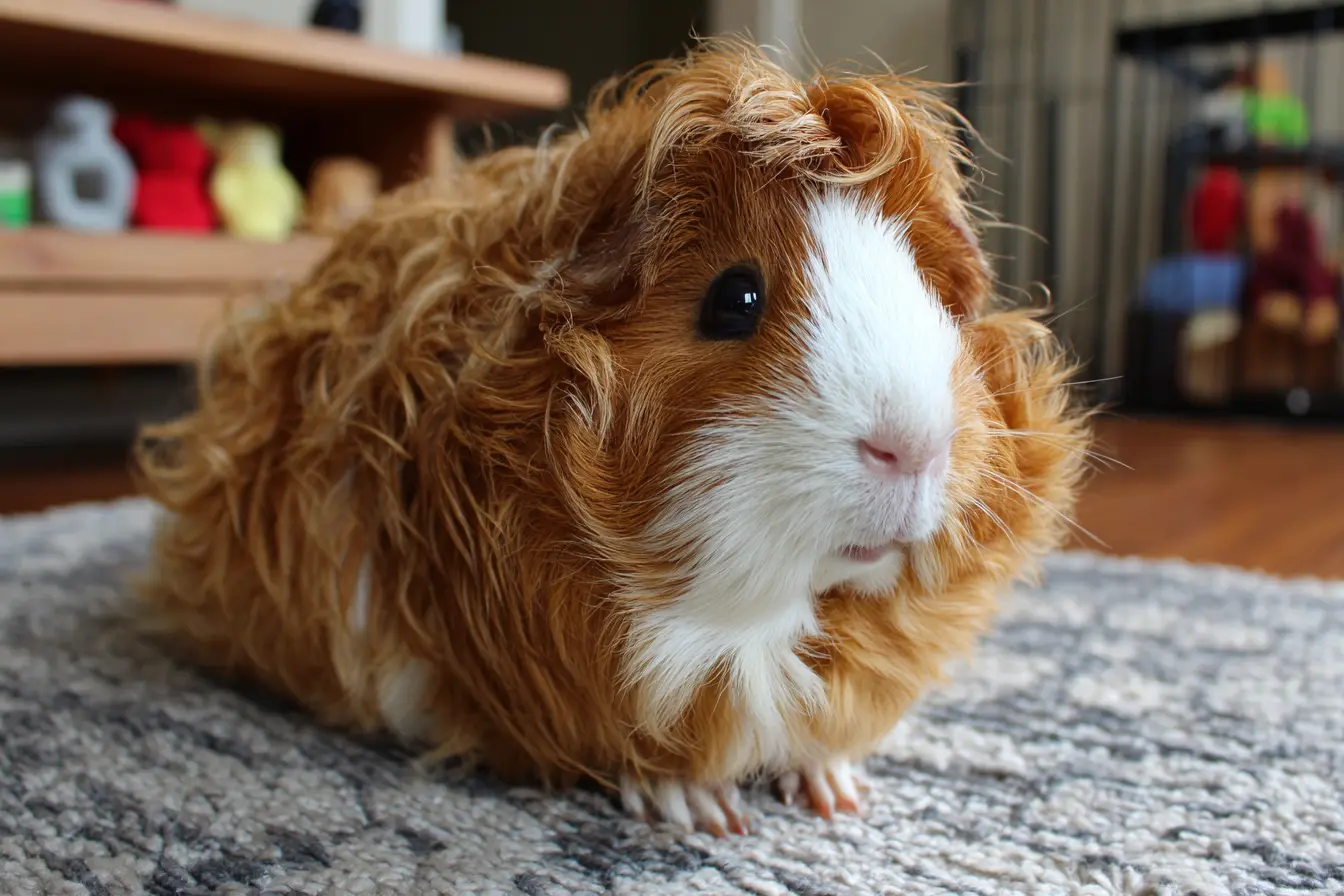
Merino guinea pigs are a rare and beautiful long-haired breed known for their soft curls and distinctive crest. Often compared to miniature sheep because of their woolly appearance, Merinos combine the elegance of curly-coated cavies with a gentle, affectionate temperament.
In this post, we’ll explore everything you need to know about Merino guinea pigs, their origins, characteristics, temperament, grooming needs, housing, diet, health, and whether this unique breed is the right choice for you.
What Are Merino Guinea Pigs?
The Merino guinea pig is a long-haired, curly-coated breed that features a single crest on the forehead. They are essentially a combination of two breeds:
Texel guinea pig (for the curls)
Coronet guinea pig (for the crest)
The result is a stunning guinea pig with long, soft curls flowing from the body and a rosette-like crest crowning the head. They are popular among dedicated cavy enthusiasts and show breeders, though less common than other long-haired breeds.
Key Characteristics
Size: 20–30 cm in length
Weight: 800–1,200 g on average
Lifespan: 5–7 years with proper care
Temperament: Calm, friendly, affectionate, and curious
Appearance: Soft, long curls across the body with a crest on the forehead; coats often appear sheep-like
Their combination of curls and crest makes them one of the most visually appealing guinea pig breeds.
Temperament and Behaviour
Merino guinea pigs are known for their sweet, gentle personalities. They tend to enjoy interaction and are typically calm and patient when handled.
Common Behavioural Traits:
Sociable and friendly
Enjoy cuddles and gentle grooming
Curious and interactive during floor time
Respond well to regular handling and human contact
Their temperament makes them well-suited to homes where they can receive consistent attention.
Social Needs
Like all guinea pigs, Merinos are social animals that require companionship.
Recommended Social Structures:
Same-sex pairs
Groups of two or more
Bonded trios or quartets for larger spaces
A single guinea pig will become lonely and stressed, so companionship is essential for emotional wellbeing.
Housing and Environment
While Merinos share similar housing requirements with other breeds, their long coats mean cleanliness is especially important.
Cage Requirements:
Minimum size: 120 cm x 60 cm for a pair
Type: Indoor C&C cage or large enclosure
Bedding: Fleece liners or soft, absorbent paper bedding
Hides: At least 2–3 huts or shelters
Enrichment: Tunnels, chew toys, hay racks, foraging mats
Special Considerations:
Merino coats attract debris easily so it is important to keep bedding clean and dry
Avoid rough or wire flooring
Choose bedding and cage setups that prevent matting
A clean environment helps maintain coat health and reduces the risk of skin issues.
Diet and Nutrition
Merino guinea pigs require the same balanced diet as other guinea pig breeds, with an emphasis on fibre and vitamin C.
Daily Diet:
Unlimited hay: Timothy, meadow, or orchard hay
Pellets: A small portion of vitamin-C fortified pellets
Fresh vegetables: 1–1.5 cups daily (e.g., leafy greens, peppers, herbs)
Fruit: Occasional treats only
Important Notes:
Guinea pigs cannot make their own vitamin C, so daily vitamin-C–rich foods are essential
Fresh, clean water must always be available
Proper nutrition supports coat quality, digestive health, and overall wellbeing.
Grooming and Coat Care
Grooming is one of the most important aspects of caring for a Merino guinea pig. Their coats require regular maintenance to stay healthy, clean, and free from matting.
Grooming Requirements:
Brushing: 2–3 times a week
Trimming: Regular trims around the rear to keep the coat sanitary
Bathing: Only as needed; frequent baths can dry out the skin
Detangling: Gently remove debris caught in curls
Inspection: Check for mats, skin irritation, or parasites
Curls and Coat Texture:
Softer curls than the Lunkarya
Less coarse and easier to manage than some long-haired breeds
Still prone to tangling if not maintained
Merinos are high-maintenance compared to short-haired breeds, making them more suitable for experienced owners.
Health and Common Issues
While Merino guinea pigs are generally healthy, their coat type can predispose them to certain issues.
Common Health Concerns:
Matting: Painful knots can form without regular grooming
Skin irritation: Trapped moisture or debris can lead to fungal or bacterial issues
Flystrike: A risk if the rear area is left damp or dirty
Eye irritation: Long fur can sometimes obscure vision
Vitamin C deficiency: common in cavies with poor diets
Routine grooming and cage cleanliness are key to preventing these problems.
Is a Merino Guinea Pig Right for You?
Merino guinea pigs may be ideal for:
Experienced guinea pig owners
People who enjoy grooming and handling long-haired pets
Those who want a gentle, friendly breed
Enthusiasts interested in showing guinea pigs
They may not be suitable for:
First-time guinea pig keepers
Young children unable to manage grooming
Households with limited time for coat maintenance
Their beauty requires consistent care and commitment.
Conclusion
Merino guinea pigs are charming, curly-coated companions with sweet temperaments and stunning appearances. Their crest and soft curls give them a uniquely elegant look, but this also means they need regular grooming and a clean environment.
For dedicated owners willing to invest in their care, Merinos make affectionate, beautiful pets that bring joy, personality, and delight into any home.
Quick questions
- What should I know about merino guinea pigs?
- Merino guinea pigs are a rare breed with soft curls and a unique crest. They're friendly and need regular grooming to keep their long coats healthy. These social animals do best with companions, and need a clean living space. Vet Verified can help you compare UK veterinary practices by location, species, services and opening hours before you call.
- When should I contact a vet about merino guinea pigs?
- Contact a veterinary practice if your pet seems unwell, symptoms are getting worse, you are unsure what to do, or the situation may be urgent. Vet Verified helps you compare practice details, but a vet should advise on your pet's current care.
- Can Vet Verified help me find a vet?
- Yes. Use Vet Verified to compare UK veterinary practices by location, species, services and opening hours, then call directly to confirm current availability.
Find a vet
Find a veterinary practice
Compare UK veterinary practices related to this topic. Call the practice to confirm its current services and availability.
Find a vet