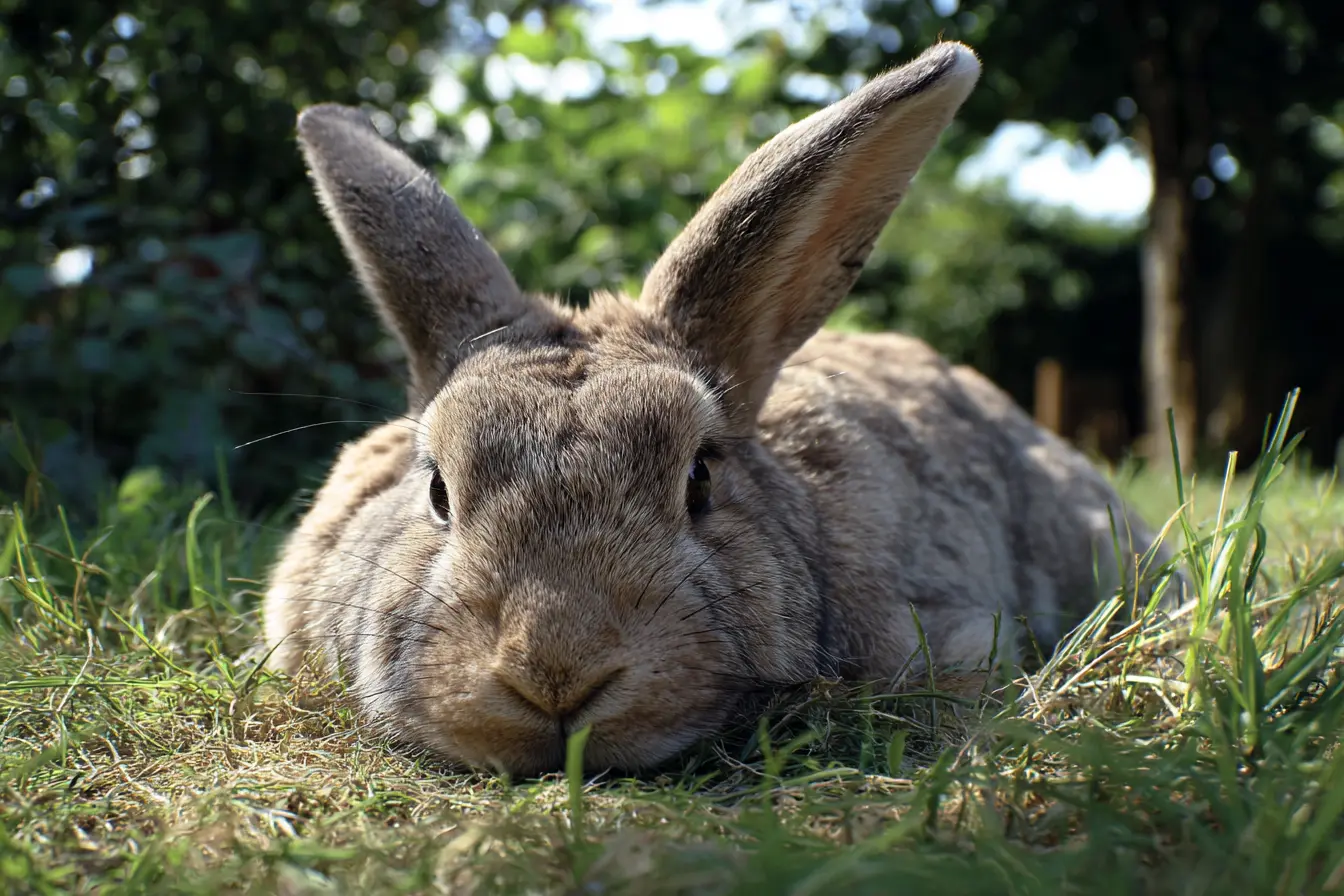
The British Giant is one of the UK’s most impressive rabbit breeds. Known for its substantial size, calm personality, and sturdy build, this gentle giant has become increasingly popular among rabbit enthusiasts looking for a large but affectionate companion. Although often overshadowed by the Continental and Flemish giants, the British Giant has its own unique history, charm, and care needs.
This blog post covers everything you need to know about the British Giant rabbit, including its origins, housing requirements, temperament, grooming needs, diet, health considerations, and whether this sizeable breed is right for your home.
The History of the British Giant
The British Giant was developed in the United Kingdom in the mid-20th century. It was selectively bred from large Flemish Giants, with the aim of creating a sizeable yet more standardised giant rabbit suited for British breeders and exhibitors.
Unlike the Continental Giant, which can reach extreme sizes, the British Giant is generally a little smaller and more manageable, making it an attractive option for people who want a giant rabbit without the largest possible size.
Key Characteristics of the British Giant
Weight: 5–7.2 kg on average
Body Type: Long, strong, and muscular
Lifespan: 5–7 years
Colours: A wide variety, including black, blue, white, opal, grey, steel, and more
Temperament: Calm, gentle, steady, and affectionate
Ears: Upright, strong ears proportionate to their body
Although slightly smaller than Continental or Flemish Giants, British Giants are still big rabbits and require appropriate care.
Personality and Temperament
British Giants are known for being docile, friendly, and easy-going. They are often described as:
Gentle and patient
Good with older children
Relaxed and confident
Social and people-oriented
Curious, but not overly excitable
Their calm demeanour makes them excellent pets for dedicated owners who can provide the space and care they need.
Housing Requirements
British Giants need significantly more space than medium or dwarf breeds. Standard hutches are unsuitable for their size.
Indoor Housing
The ideal setup is:
A free-roam room
A large pen measuring at least 10 ft x 6 ft
Access to additional exercise space daily
British Giants adapt well to indoor living and love spending time with their human family.
Outdoor Housing
If kept outdoors, housing should be:
At least 6 ft x 3 ft for the hutch area
A 10 ft x 6 ft run attached permanently
Strong, predator-proof, and weather-resistant
High enough for them to stand upright
Key Features for All Housing Types
Soft flooring (to prevent sore hocks)
Large litter trays
Heavy-duty bowls and toys
Hides and tunnels big enough for their size
A cool space in summer and insulated space in winter
Space is essential. Restrictive housing leads to stress, obesity, and joint problems.
Diet and Nutrition
British Giants have hearty appetites and require a diet rich in fibre to support their digestive and dental health.
Hay – The Foundation of Their Diet
Hay should make up 80–90% of their daily intake:
Timothy
Meadow
Orchard
Ryegrass
Unlimited hay is essential for healthy digestion.
Fresh Greens
Feed 2–4 cups daily:
Dandelion
Spring greens
Romaine lettuce
Kale
Coriander
Parsley (sparingly)
Mint, basil, rocket
Pellets
Choose high-fibre, timothy-based pellets.
Recommended amounts:
Young British Giants: Larger portions to support growth
Adults: 50–100 g per day
Avoid muesli-style mixes.
Healthy Treats (Occasional Only)
Small pieces of carrot
Herbs
Apple slices
Berries
Fresh water should always be available in heavy bowls or bottles.
Exercise and Enrichment
British Giants are calm but still active and curious. They need daily exercise and mental stimulation.
Enrichment Ideas
Large tunnels (dog-sized)
Foraging mats
Sturdy chew toys
Dig boxes
Platforms for climbing
Secure outdoor time
Cardboard castles
Social interaction
A bored British Giant may chew, dig, or become lethargic.
Grooming and Coat Care
The British Giant has a short to medium coat that is relatively low-maintenance but still requires regular care.
Grooming Schedule
Weekly brushing (more during moulting)
Nail trims every 4–6 weeks
Ear checks for wax build-up
Fur checks around the rear to prevent matting or urine scald
Extra grooming during heavy shedding seasons
Grooming also helps strengthen your bond with your rabbit.
Health Considerations
Like all large rabbit breeds, the British Giant can be prone to certain health issues.
Common Health Problems
Sore hocks (pododermatitis)
Obesity
Arthritis
Dental problems
Gastrointestinal stasis
Flystrike in warm months
Respiratory issues
Essential Veterinary Care
Annual vaccinations (myxomatosis, RHD1, RHD2)
Weight checks
Neutering (for health and bonding reasons)
Regular health assessments
Giant rabbits benefit from rabbit-savvy vets with experience in large breeds.
Handling and Social Needs
British Giants are affectionate but do not usually enjoy being lifted. Their large size makes handling more challenging and potentially dangerous if done incorrectly.
Handling Tips
Support the chest and hindquarters
Keep them close to your body
Avoid unnecessary lifting
Sit or kneel while handling to prevent falls
British Giants thrive with companionship and form strong bonds with their owners and rabbit companions.
Ideal Companions
Another British Giant
Large, calm medium-sized breeds
Neutered opposite-sex pairs are most successful
Careful bonding is essential.
Is a British Giant the Right Rabbit for You?
The British Giant can make a wonderful companion, but they are not suitable for every household.
Suitable For:
Owners with plenty of indoor or outdoor space
Experienced rabbit keepers
Families with older children
People who enjoy interactive, sociable pets
Owners prepared for higher food, bedding, and vet costs
Not Suitable For:
Small homes or flats
First-time rabbit owners
People unable to provide daily interaction
Those who cannot safely lift or manage a large rabbit
The British Giant is rewarding but requires commitment.
Conclusion
The British Giant is a gentle, sociable, and striking rabbit breed that can become a beloved family member when given proper care. Their size means they need more space, more food, and more time than the average rabbit, but their warm personalities and steady temperament make them truly special companions.
With spacious housing, a hay-rich diet, daily enrichment, grooming, companionship, and access to rabbit-savvy veterinary care, British Giants can thrive and bring joy to their families for many years.
Quick questions
- What should I know about british giant rabbit?
- Learn all about the British Giant rabbit, a large and friendly breed known for its gentle nature and significant size. Vet Verified can help you compare UK veterinary practices by location, species, services and opening hours before you call.
- When should I contact a vet about british giant rabbit?
- Contact a veterinary practice if your pet seems unwell, symptoms are getting worse, you are unsure what to do, or the situation may be urgent. Vet Verified helps you compare practice details, but a vet should advise on your pet's current care.
- Can Vet Verified help me find dog vets?
- Yes. Use Vet Verified to compare dog vets across the UK, then check practice profiles and call directly to confirm current availability.
Find a vet
Find a veterinary practice
Compare UK veterinary practices related to this topic. Call the practice to confirm its current services and availability.