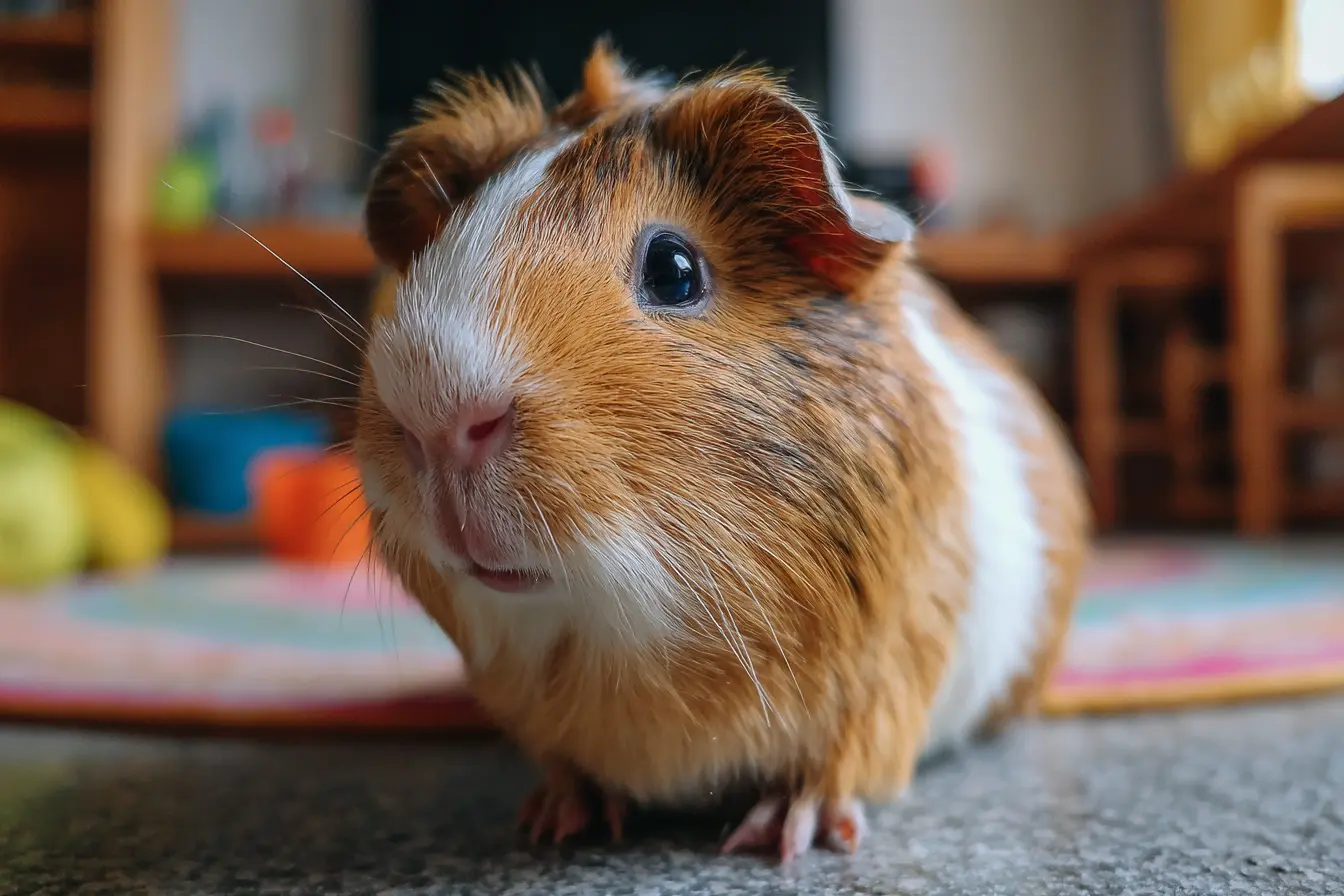
Guinea pigs thrive on a diet rich in hay, fresh vegetables, and a small daily supplement of vitamin C. Fruit, while tasty and nutritious, should always be considered a treat, offered in small amounts due to its natural sugar content.
This guide explains which fruits guinea pigs can eat, how to prepare them, and which to avoid, helping you keep your piggies healthy and happy.
Essential Guidelines Before Feeding Fruit to Guinea Pigs
Fruit should make up no more than 5–10% of the weekly diet.
Serve fruit 2–4 times per week, not daily.
Always wash fruit thoroughly to remove pesticides.
Remove seeds, stones, and tough skins, unless noted safe.
Introduce fruit slowly to avoid diarrhoea or bloating.
Never feed fruit to young guinea pigs under 6–8 weeks old.
Monitor droppings for soft stools which are a sign of too much sugar.
Safe Fruits for Guinea Pigs
Apples
Benefits: Hydrating, crunchy, rich in vitamin C (small amounts).
How to serve: Remove seeds and core; offer thin slices.
Portion: 1–2 small slices per serving.
Pears
Benefits: Fibre-rich and gentle on digestion.
How to serve: Remove core and seeds; cut into small cubes.
Portion: A teaspoon-sized piece.
Strawberries
Benefits: High in vitamin C and hydration.
How to serve: Remove green tops; slice small pieces.
Portion: Half a small strawberry.
Tip: The leafy tops are safe and actually very healthy.
Blueberries
Benefits: Antioxidant-rich “superfood”.
How to serve: Whole berries, washed.
Portion: 1–2 berries only.
Note: Can stain mouths and bedding.
Raspberries
Benefits: Low-sugar compared to many fruits.
How to serve: Whole berries.
Portion: 1 raspberry per serving.
Blackberries
Benefits: High in fibre and antioxidants.
How to serve: Whole berries or cut in half.
Portion: 1–2 berries.
Grapes
Benefits: Hydrating and sweet.
How to serve: Halve grapes; remove seeds.
Portion: 1 small grape.
Caution: Very sugary; give sparingly.
Cherries (Flesh Only)
Benefits: Packed with antioxidants.
How to serve: Remove stems and stone; offer the flesh only.
Portion: 1 small piece.
Warning: Pits are toxic.
Kiwi
Benefits: Very high in vitamin C; excellent supplement.
How to serve: Peel skin; cut into tiny cubes.
Portion: ½ teaspoon.
Note: Acidic so avoid if your guinea pig has a sore mouth.
Mango
Benefits: Vitamin A and natural sweetness.
How to serve: Peel and remove stone; chop into small cubes.
Portion: 1 teaspoon.
Sticky: Clean mouths afterwards to avoid attracting flies.
Papaya
Benefits: High in vitamin C and beneficial enzymes.
How to serve: Remove seeds; offer soft flesh.
Portion: 1 teaspoon.
Note: Useful for older guinea pigs with digestion issues.
Melon (Watermelon, Cantaloupe, Honeydew)
Benefits: Very hydrating and refreshing.
How to serve: Flesh only, with seeds and rind removed.
Portion: 1–2 small cubes.
Tip: Watermelon rind is not recommended.
Pineapple
Benefits: Contains vitamin C and digestive enzyme bromelain.
How to serve: Remove skin and hard core; offer tiny soft chunks.
Portion: ½ teaspoon.
Avoid: Canned pineapple as it is full of syrup.
Peach
Benefits: Soft, hydrating fruit.
How to serve: Remove stone; cut into thin slices.
Portion: 1 small slice.
Plum
Benefits: Juicy and sweet.
How to serve: Remove stone; offer small pieces of ripe flesh.
Portion: Very small quantities as it is high in sugar.
Apricot
Benefits: A good source of vitamin A.
How to serve: Remove pit; slice flesh finely.
Portion: Less than 1 teaspoon.
Cranberries
Benefits: High in antioxidants and vitamin C.
How to serve: Fresh or unsweetened dried cranberries (sparingly).
Portion: 1 fresh cranberry or half a dried cranberry.
Figs
Benefits: High in fibre and minerals.
How to serve: Fresh fig flesh only; remove skin if thick.
Portion: Very small as they are extremely sugary.
Dragon Fruit
Benefits: Hydration and mild mineral content.
How to serve: Scoop flesh; give tiny cubes.
Portion: ½ teaspoon.
Safe: Tiny seeds are fine to eat.
Tomatoes (Ripe Only)
Benefits: Hydration and mild vitamin content.
How to serve: Flesh only; remove seeds and avoid leaves and stems.
Portion: Half a cherry tomato.
Caution: Acidic so give sparingly.
Fruits Guinea Pigs Can Eat Only With Caution
Banana
Very sweet and starchy.
Can contribute to weight gain and constipation.
Give no more than a coin-sized slice, once per week.
Dried Fruits
Extremely high in sugar.
Offer only tiny slivers, if at all.
Avoid dried fruit with added sugar, oils, or preservatives.
Citrus Fruits (Oranges, Clementines, Tangerines)
High in vitamin C but also acidic.
Can irritate the mouth and cause soreness.
Offer very small portions only.
Fruits Guinea Pigs Must Never Eat
Avocado
Contains persin, which is toxic to guinea pigs.
Avoid completely.
Rhubarb
Leaves and stalks contain toxic oxalates.
Never feed.
Fruit Seeds and Pits
Common fruit seeds contain cyanide compounds.
Avoid seeds/pits from:
Apples
Pears
Plums
Peaches
Apricots
Cherries
Unripe or Mouldy Fruit
Can cause severe digestive illness.
Always feed fresh, ripe fruit only.
How Much Fruit Should a Guinea Pig Eat?
A sensible guideline:
1–2 tablespoons of fruit per week, split across 2–4 treat days.
No fruit for guinea pigs under 6–8 weeks old.
Overweight or diabetic-prone guinea pigs should avoid fruit almost entirely.
Fruit is a treat, never a daily food source.
Portion Guide by Guinea Pig Size
Small guinea pigs
½ teaspoon to 1 teaspoon per serving
Medium guinea pigs
Up to 1 tablespoon of fruit per week
Large guinea pigs
Up to 1.5 tablespoons per week
Signs Your Guinea Pig Has Had Too Much Fruit
Soft or watery droppings
Reduced hay consumption
Lethargy
Excessive gas or bloating
Sticky chins (risk of flystrike in summer)
If symptoms continue after reducing fruit, consult a guinea pig specialist vet.
Fun, Safe Ways to Serve Fruit to Guinea Pigs
Hide tiny pieces of fruit in hay for foraging fun.
Offer fruit on a veg skewer alongside leafy greens.
Freeze minute cubes of melon for hot weather.
Mix fruit with leafy greens to encourage picky eaters.
Use fruit as a training reward, but keep portions tiny.
Conclusion
Fruit can be a delightful, nutritious treat for guinea pigs when offered in small, appropriate portions. With this guidance, guinea pig owners can safely choose a wide variety of fruits, avoid dangerous ones like avocado and rhubarb, and ensure that fruit never overshadows the essential foundation of a guinea pig’s diet: unlimited hay, fresh water, and vitamin-rich vegetables.
Used correctly, fruit becomes a fun way to add enrichment and variety to your piggies' life, without compromising their health.
Quick questions
- What should I know about guinea pig fruit?
- Guinea pigs need a diet of hay, vegetables, and a little vitamin C. Fruit is a treat for them and should be given in small amounts due to sugar content. Vet Verified can help you compare UK veterinary practices by location, species, services and opening hours before you call.
- When should I contact a vet about guinea pig fruit?
- Contact a veterinary practice if your pet seems unwell, symptoms are getting worse, you are unsure what to do, or the situation may be urgent. Vet Verified helps you compare practice details, but a vet should advise on your pet's current care.
- Can Vet Verified help me find a vet?
- Yes. Use Vet Verified to compare UK veterinary practices by location, species, services and opening hours, then call directly to confirm current availability.
Find a vet
Find a veterinary practice
Compare UK veterinary practices related to this topic. Call the practice to confirm its current services and availability.
Find a vet