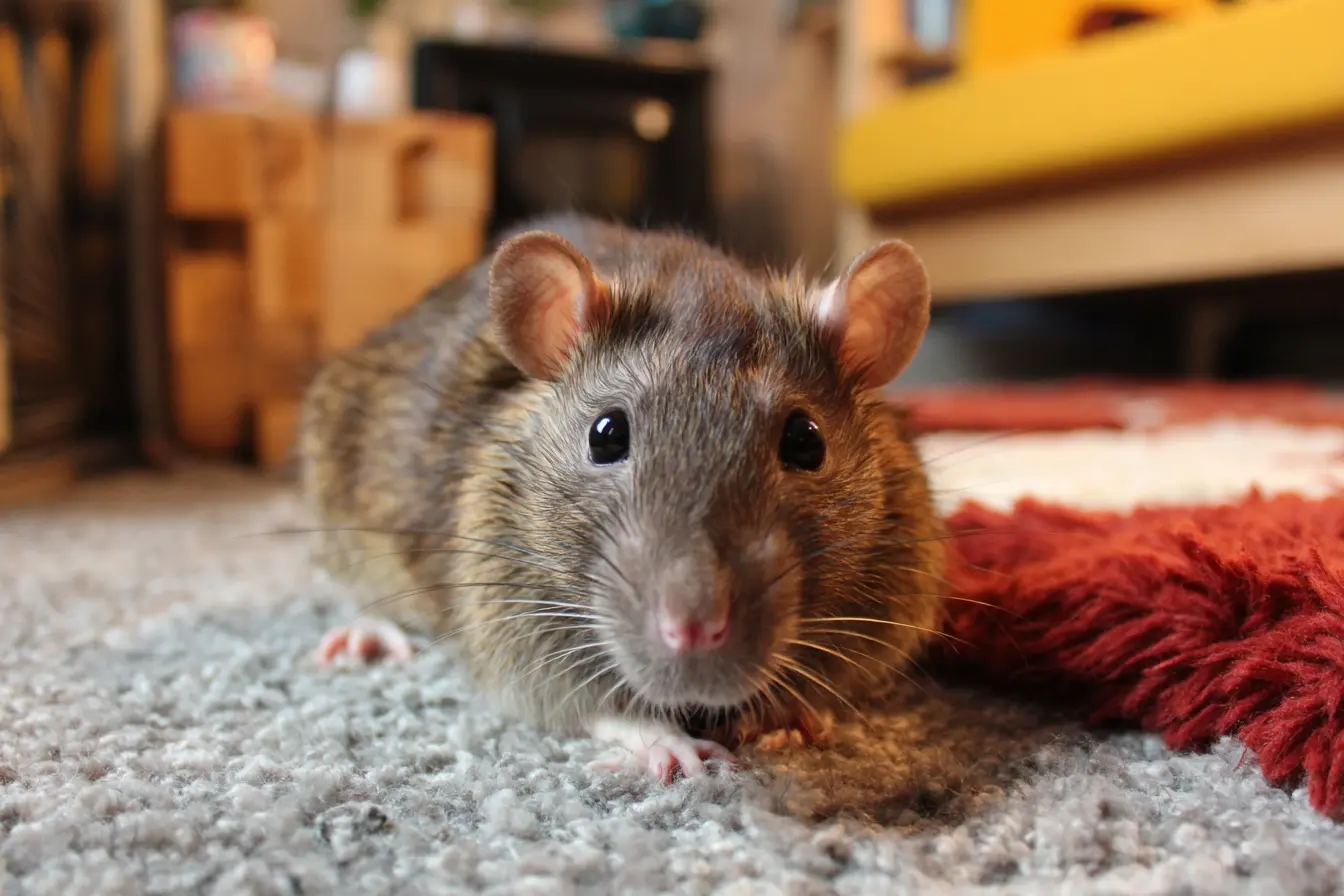
Velveteen rats are a charming and increasingly popular variety of fancy rat, known for their soft, plush fur that gives them a unique look and feel. With their affectionate personalities and distinctive coats, velveteens make wonderful companions for those who are prepared to meet their social and environmental needs.
In this post, we’ll explore everything you need to know about velveteen rats, from their origins and traits to housing, diet, handling, grooming, health, and whether they might be the right pet for you.
What Are Velveteen Rats?
The velveteen rat is a variety of the domesticated fancy rat (Rattus norvegicus domestica). The “velveteen” trait is caused by a genetic mutation that produces a wavy, plush coat. Unlike rex rats, whose fur is curly and whiskers are tightly crimped, velveteens have a softer wave to their fur and whiskers that may be gently curled rather than bent or broken.
Their coats are often compared to velvet fabric, hence the name. Velveteens can come in a wide range of colours, markings, and ear types (including dumbo).
They are still relatively uncommon compared to standard, dumbo, or rex rats, but their popularity is steadily growing.
Key Characteristics
Size: 20–25 cm body length, with a tail of similar length
Weight: 250–700 g (females are typically lighter than males)
Lifespan: 2–3 years on average
Temperament: Affectionate, curious, intelligent, and highly social
Appearance: Wavy, plush fur with a velvety texture; gently curled whiskers; wide range of colours and markings
While their coats set them apart, their behaviour and needs are the same as any other fancy rat.
Social Needs
Velveteen rats are highly social animals and must never be kept alone. Companionship with other rats is essential to their wellbeing.
Social Structures:
Same-sex pairs or small groups are best for non-breeding households
Groups of three or more are ideal, as they allow for richer play and grooming behaviours
Velveteens can live with any other variety of fancy rat (standard, rex, satin, dumbo, etc.)
A solitary rat will quickly become lonely, depressed, and unwell. Keeping velveteens in bonded groups ensures a happy, healthy life.
Housing and Environment
Velveteen rats require the same type of housing as other fancy rats, with an emphasis on space, enrichment, and safety.
Cage Requirements:
Minimum size: 80 cm x 50 cm x 80 cm for a pair or trio (larger is strongly recommended)
Type: Multi-level wire cages with platforms, hammocks, and tunnels; avoid aquariums due to poor ventilation
Bar spacing: Maximum of 1.5 cm to prevent escapes
Bedding: Paper-based, aspen, or hemp bedding; avoid pine and cedar, which are toxic
Nesting material: Shredded paper or tissue (no cotton wool)
Enrichment: Ropes, cardboard boxes, tunnels, climbing branches, chew toys, ladders, digging boxes, and solid-surface wheels
Environmental Notes:
Spot-clean daily and deep-clean weekly to prevent odour and illness
Provide vertical as well as horizontal space, as rats love to climb
Offer safe out-of-cage exploration every day in a rat-proofed area
Diet and Nutrition
Velveteen rats have the same dietary requirements as other fancy rats, but good nutrition is particularly important for coat and skin health.
Suggested Diet:
Staple diet: A high-quality rat nugget or lab block to provide balanced nutrition
Vegetables: Kale, broccoli, peas, courgette, cucumber, spinach, carrots
Fruits: Apples, bananas, pears, and berries (in moderation due to sugar)
Protein: Cooked chicken, boiled egg, tofu, fish, or mealworms occasionally
Treats: Wholegrain pasta, rice, oats, or seeds sparingly
Avoid: Citrus fruits (especially for males), chocolate, onions, sticky foods, raw beans, and highly processed junk foods
Fresh water must always be available, ideally from both bottles and bowls.
Grooming Needs
Velveteen coats are soft and plush, but they can sometimes be prone to thinning or uneven growth as the rats age.
Grooming Considerations:
Brushing: Generally not needed daily, but a soft-bristled brush once a week can help remove loose hairs and keep the coat in good condition.
Bathing: Avoid unless absolutely necessary, as rats are easily stressed by water. A damp cloth can be used to gently wipe dirt.
Inspection: Regularly check the coat for signs of thinning, parasites, or irritation.
Older velveteens: Senior rats may groom less effectively, so light assistance may be needed.
Their fur usually stays manageable without the intensive grooming required for long-haired rats like Harleys.
Handling and Behaviour
Velveteen rats are affectionate, intelligent, and eager to bond with humans. They are ideal for daily handling and interaction.
Handling Tips:
Handle gently and from a young age to build trust
Always support their body fully when lifting
Provide supervised out-of-cage play daily
Use positive reinforcement, such as treats, to encourage interaction
Velveteens are trainable and can learn tricks, respond to their names, and develop strong bonds with their owners.
Unique Traits
Velveteen rats stand out thanks to their coats, but they share the same engaging qualities as other fancy rats.
Plush fur: Their soft, wavy coat has a velvety texture, unlike the curls of rex or the gloss of satin.
Whiskers: Often gently curled, but not as crimped or broken as in rex rats.
Variety: Can appear in all colours, patterns, and ear types.
Moderate rarity: Less common than standard, dumbo, or rex, but not as rare as Harleys.
Health and Common Issues
Velveteen rats are generally healthy, but they share the same vulnerabilities as other fancy rats.
Common Health Concerns:
Respiratory disease: Very common in pet rats, often chronic
Tumours: Mammary and pituitary tumours are unfortunately common
Skin and coat issues: Some velveteens may experience thinning fur with age
Parasites: Mites and lice can cause irritation but are treatable
Obesity: Prevent with a balanced diet and regular exercise
Regular vet care, a clean environment, and good nutrition are essential.
Is a Velveteen Rat Right for You?
Velveteen rats are ideal for:
Enthusiasts who enjoy keeping unusual varieties
People seeking affectionate, interactive, intelligent pets
Families with older children who understand gentle handling
Keepers willing to provide daily play, interaction, and enrichment
They are not recommended for:
Very young children who may mishandle delicate pets
First-time keepers seeking a very common, easily available variety
Homes where daily care and cleaning cannot be maintained
Conclusion
Velveteen rats are affectionate, intelligent, and social pets, distinguished by their soft, plush coats. While their fur is their defining feature, their needs are the same as other fancy rats: they require social groups, spacious housing, enrichment, a balanced diet, and daily interaction.
For dedicated keepers who value both appearance and companionship, velveteen rats are a wonderful choice. Their velvety coats add to their charm, but it is their affectionate personalities that truly make them stand out as pets.
Quick questions
- What should I know about velveteen rats?
- Velveteen rats are a unique type of fancy rat with soft, plush coats. Known for their loving nature, they need social interactions, proper housing, and a balanced diet to thrive. Vet Verified can help you compare UK veterinary practices by location, species, services and opening hours before you call.
- When should I contact a vet about velveteen rats?
- Contact a veterinary practice if your pet seems unwell, symptoms are getting worse, you are unsure what to do, or the situation may be urgent. Vet Verified helps you compare practice details, but a vet should advise on your pet's current care.
- Can Vet Verified help me find bird vets?
- Yes. Use Vet Verified to compare bird vets across the UK, then check practice profiles and call directly to confirm current availability.
Find a vet
Find a veterinary practice
Compare UK veterinary practices related to this topic. Call the practice to confirm its current services and availability.