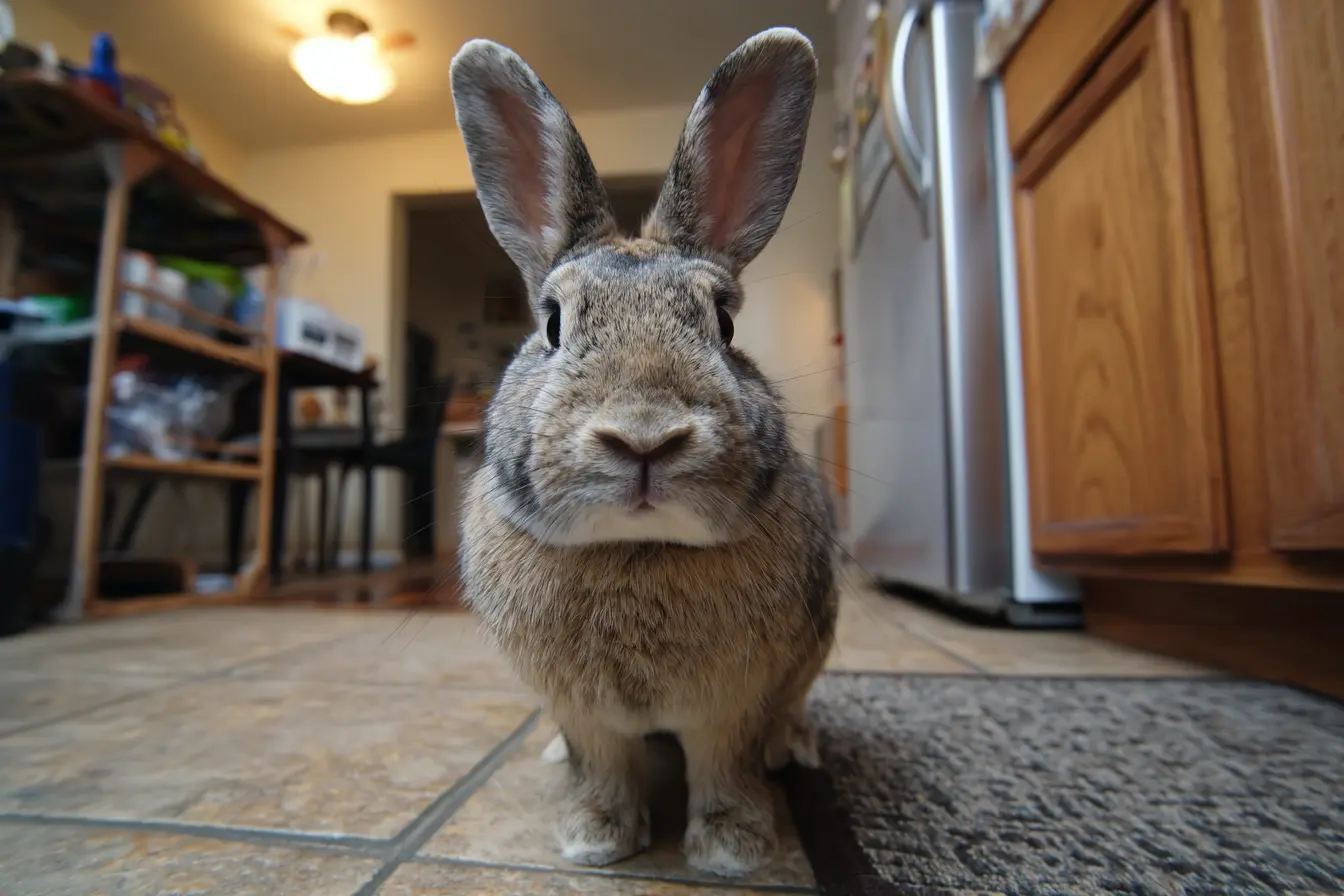
The Mini Rex rabbit is one of the most beloved small rabbit breeds in the world. Known for its velvety fur, compact build, and sweet temperament, the Mini Rex has become a favourite among families, first-time rabbit owners, and show exhibitors alike. Their striking appearance combined with a manageable size and calm nature makes them an excellent choice for many homes.
This detailed blog post covers everything you need to know about the Mini Rex rabbit, including its origins, characteristics, personality, housing needs, diet, grooming, health considerations, and what to expect when welcoming one into your family.
The History of the Mini Rex
The Mini Rex breed originated in France in the 1980s and was developed from the larger Rex rabbit. Breeders specifically aimed to create a smaller rabbit with the same luxurious “rex coat”; a soft, velvety texture caused by a genetic mutation that shortens and thickens the fur.
The breed quickly grew in popularity across Europe and later became popular in the UK and the United States. Today, the Mini Rex is one of the most recognisable small rabbit breeds and is a favourite in both pet homes and show circuits.
Key Characteristics of the Mini Rex
Weight: 1.4–2 kg
Body Type: Compact, rounded, and well-muscled
Coat: Velvety, plush, short, and incredibly soft
Colours: Wide range including black, blue, chocolate, lilac, broken patterns, otter, chinchilla, castor, and more
Lifespan: 6–10 years
Temperament: Calm, friendly, affectionate, and inquisitive
The Mini Rex’s signature feature is its coat, a dense layer of short guard hairs and plush undercoat that makes them incredibly soft to touch.
Temperament and Behaviour
Mini Rex rabbits are known for their gentle and outgoing personalities.
Common Personality Traits:
Calm and patient
Friendly with people
Enjoy handling more than some breeds
Inquisitive and playful
Easy to bond with humans
Suit both adults and responsible children
Many Mini Rex rabbits enjoy being stroked and sitting near their owners. Their easy-going nature makes them an ideal choice for indoor living.
Housing Requirements
Although the Mini Rex is a small rabbit, it still requires spacious, safe housing with plenty of room to exercise.
Indoor Housing
Mini Rex rabbits adapt very well to indoor living.
Ideal setups include:
A large indoor rabbit pen
A rabbit-proofed room
Free-roaming indoors (completely rabbit-safe spaces)
Outdoor Housing
If kept outdoors, Mini Rex rabbits need:
A secure, insulated hutch
An attached run for exercise
Protection from rain, wind, cold, and predators
However, their short coat offers less insulation than fluffier breeds, so indoor living is generally recommended in colder climates.
Housing Essentials
Solid flooring with soft bedding (to protect delicate feet)
Litter trays with paper-based pellets
Tunnels and hideouts
Toys and enrichment
Clean, dry living space at all times
Mini Rex rabbits are more prone to sore hocks than some breeds, so flooring must be soft and supportive.
Diet and Nutrition
Mini Rex rabbits require a balanced diet similar to other domestic rabbits.
Hay (80–90% of the diet)
Essential types include:
Timothy
Meadow
Orchard
Ryegrass
Hay should be available at all times.
Fresh Greens
Offer daily:
Spring greens
Romaine lettuce
Kale (sparingly)
Herbs (mint, parsley, coriander)
Dandelion greens
Pellets
Feed high-fibre, timothy-based pellets:
Adults: 1–2 tablespoons
Young rabbits: Larger portions for growth
Treats (In Moderation)
Carrot
Apple
Berries
Banana
Fresh water must always be available.
Exercise and Enrichment
Mini Rex rabbits are energetic and curious, requiring daily exercise and stimulation.
Enrichment Ideas:
Cardboard tunnels and boxes
Willow chew toys
Foraging mats
Digging boxes
Throw toys
Hideouts and shelters
Toys filled with hay or treats
Regular free-roaming time helps keep them mentally and physically healthy.
Grooming and Coat Care
The Mini Rex coat is low-maintenance and unique in texture.
Grooming Tips:
Weekly brushing (very light brushing to avoid damaging fur)
Daily brushing during moulting
Nail trimming every 4–6 weeks
Rear-end checks for cleanliness
Avoid over-grooming; their fur is delicate
Their short fur does not mat easily, but it can shed heavily during seasonal changes.
Health Considerations
Mini Rex rabbits are generally healthy but have a few breed-specific concerns.
Common Health Issues:
Sore hocks (more susceptible due to fine fur on feet)
Obesity (from excess pellets and insufficient exercise)
Dental issues
GI stasis
Respiratory infections
Flystrike in summer
Veterinary Care:
Annual vaccinations (myxomatosis + RHD1 + RHD2)
Neutering for behaviour and health
Regular weight monitoring
Yearly health checks
Mini Rex rabbits benefit greatly from soft flooring and proper diet to avoid sore hocks and digestive issues.
Handling and Social Needs
Mini Rex rabbits tend to tolerate handling better than many breeds, but proper technique is still crucial.
Handling Tips:
Support chest and hindquarters
Hold close to your body
Avoid sudden movements
Interact on the floor whenever possible
Companionship
Rabbits are social creatures and thrive with a companion.
Ideal companions include:
Another Mini Rex
Other gentle, small-to-medium rabbits
Neutered opposite-sex pairings
Bonding should always be done slowly and carefully.
Is the Mini Rex Rabbit Right for You?
Mini Rex rabbits make wonderful pets for a variety of households.
Perfect For:
First-time rabbit owners
Families with older children
Indoor homes
People wanting a friendly companion
Owners who appreciate a low-grooming breed
Not Ideal For:
Very young children (due to their delicate feet)
Homes with limited space
People unable to provide daily interaction or exercise
Mini Rex rabbits thrive best when they have companionship, space, and enrichment.
Conclusion
The Mini Rex rabbit is an adorable, affectionate, and low-maintenance breed known for its velvety coat and gentle nature. Their small size and calm temperament make them ideal indoor pets, while their inquisitive and friendly behaviour makes them charming companions.
With proper housing, a hay-rich diet, regular exercise, gentle grooming, and rabbit-savvy veterinary care, a Mini Rex can live a long, happy, and healthy life as part of your family.
Quick questions
- What should I know about mini rex rabbit?
- The Mini Rex rabbit is a popular choice for families and first-time rabbit owners due to its soft velvety fur, compact size, and calm temperament. Vet Verified can help you compare UK veterinary practices by location, species, services and opening hours before you call.
- When should I contact a vet about mini rex rabbit?
- Contact a veterinary practice if your pet seems unwell, symptoms are getting worse, you are unsure what to do, or the situation may be urgent. Vet Verified helps you compare practice details, but a vet should advise on your pet's current care.
- Can Vet Verified help me find a vet?
- Yes. Use Vet Verified to compare UK veterinary practices by location, species, services and opening hours, then call directly to confirm current availability.
Find a vet
Find a veterinary practice
Compare UK veterinary practices related to this topic. Call the practice to confirm its current services and availability.
Find a vet