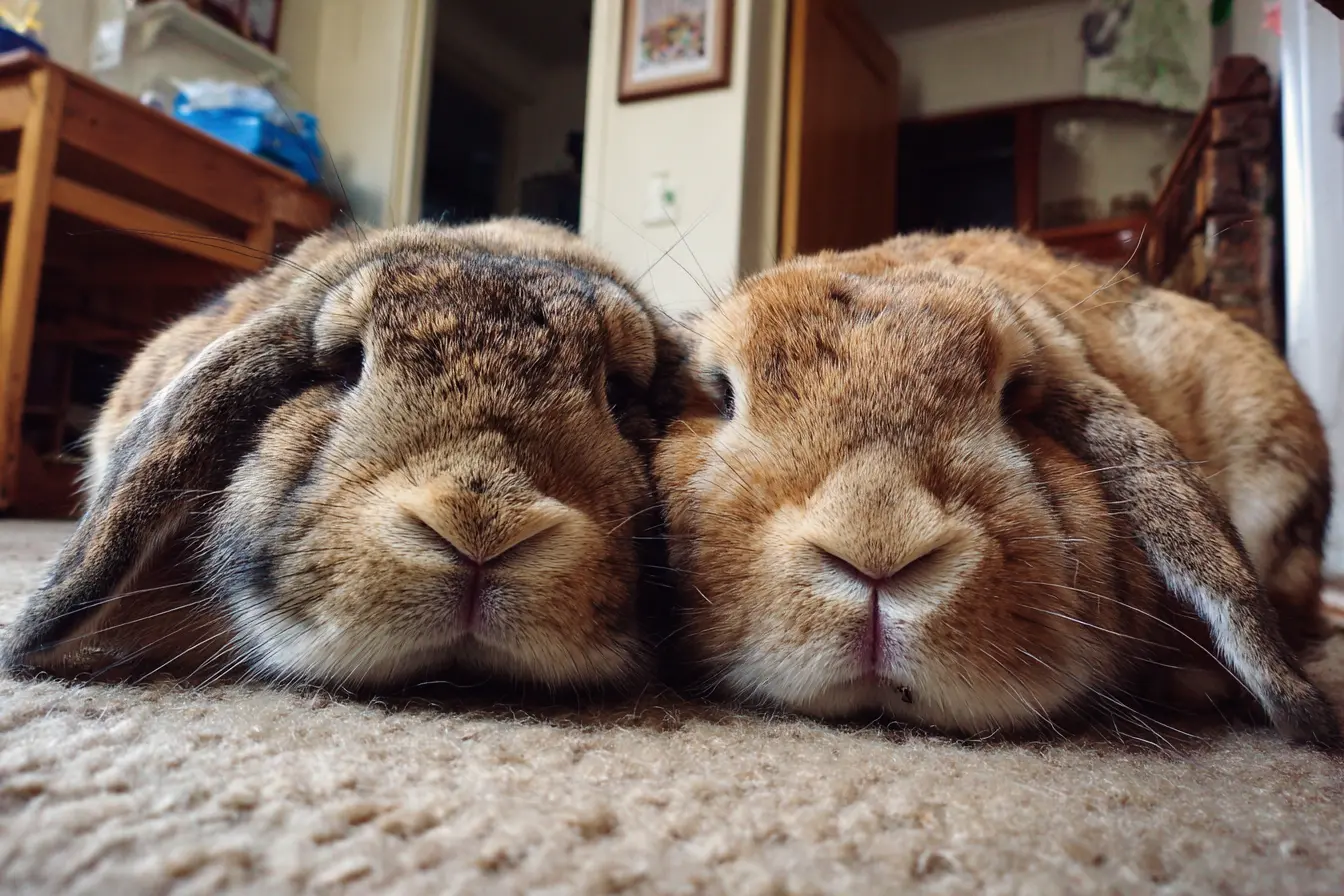
Matting is a common and often underestimated issue in domestic rabbits, especially long-haired and dense-coated breeds. Mats are tight tangles of fur that form when loose hair, dirt, and moisture accumulate and become compressed. While a small tangle may seem harmless, matting can quickly become painful, restrict movement, irritate the skin, and hide serious health problems such as wounds, parasites, or skin infections.
This guide covers everything you need to know about matting in rabbits, including how it forms, why it’s dangerous, how to prevent it, and the safest ways to manage and remove mats.
What is Matting
Matting occurs when a rabbit’s fur becomes tangled and knotted. Instead of shedding cleanly, loose fur binds together with surrounding hair or debris. Rabbits that shed heavily, have long or woolly fur, or live in environments with hay, litter, and moisture are especially prone to mats.
Matting can occur anywhere on the body, but the areas most commonly affected include the belly, thighs, behind the ears, tail area, under the chin, along the sides, and around the dewlap.
Breeds Most at Risk
Long-haired breeds such as Angoras, Cashmere Lops, Lionheads, Jersey Woolies, and Swiss Foxes are particularly prone to matting. Curly or woolly breeds like Lunkarya, Texel, and Merino also require very high-maintenance grooming.
Short-coated rabbits can still develop mats during heavy shedding seasons, and elderly or mobility-limited rabbits are especially vulnerable due to reduced self-grooming.
Causes of Matting
Matting often occurs due to a mix of shedding, environmental factors, and limited grooming.
Shedding, especially during moults, releases large amounts of loose fur that bind together if not removed. Long or woolly coats naturally trap debris such as hay and litter, increasing the risk of tangles.
Lack of regular grooming allows loose fur to build up. Dampness from urine, spilled water, or wet bedding causes fur to clump and tighten. Poor housing conditions, obesity, and mobility problems also play major roles, as these factors limit grooming or cause fur to remain in contact with moisture.
Using the wrong grooming tools or brushing only the surface of the coat can also allow deep mats to develop unseen.
Why Matting is Dangerous
Matting is not simply a cosmetic issue. It can cause significant discomfort and health problems.
Mats pull at the skin, causing soreness and inflammation. They trap moisture, leading to bacterial or fungal infections. They hide parasites such as mites or fleas, and may conceal wounds or abscesses.
Severe mats around the legs or belly restrict movement, making walking painful. Mats near the rear increase the risk of flystrike, a life-threatening emergency.
Early prevention and treatment are essential to avoid these complications.
Early Signs of Matting
Early signs include small knots or clumps in the coat, areas that feel thick or lumpy, debris trapped in the fur, and patches that look dull or rough. Rabbits may flinch or resist grooming as the mats begin to pull on the skin.
Spotting these signs early makes treatment much easier and less stressful for both rabbit and owner.
Preventing Matting in Rabbits
Prevention focuses on routine grooming, clean housing, and good coat management.
Regular grooming is essential. Short-haired rabbits benefit from weekly grooming, while long-haired or curly breeds need daily or near-daily brushing using tools such as wide-toothed combs, slicker brushes, and soft-bristle brushes.
Housing should be kept clean and dry. Damp bedding should be removed promptly. Litter trays should be cleaned daily, and water bottles or bowls should not leak.
Trimming high-risk areas like the rear, belly, and dewlap helps prevent moisture-related matting. Maintaining a healthy weight enables better self-grooming. Elderly or disabled rabbits may need additional support through accessible litter trays, soft flooring, and more frequent grooming.
Choosing the right bedding also helps. Fleece liners, hay, and dust-free paper bedding are good options, while clinging or damp materials should be avoided.
Safe Removal of Mats
Removing mats must be done carefully, as rabbit skin is thin and tears easily.
Small mats can often be teased apart gently with fingers. Holding the fur at the base helps reduce discomfort. A wide-toothed comb can be used to work through the tangle slowly.
Medium-sized mats may require dividing the knot into smaller sections before working them loose. A rabbit-safe detangling spray may help soften the fur.
Severe mats should be removed with extreme caution. Blunt-tipped scissors can be used, but always slide a comb under the mat first to create a barrier between the skin and scissors. Cutting should be done in small sections.
If mats are large, tight, or located near sensitive areas, a vet or rabbit-savvy groomer should handle removal.
Aftercare Following Mat Removal
After mats are removed, the skin will often be red or irritated. A rabbit-safe soothing gel or aloe vera may help, but only products approved for rabbits should be used.
The rabbit should have access to soft, dry bedding. Avoid bathing, as rabbits can become stressed and bathing increases the risk of shock or hypothermia.
Regular grooming should be continued to prevent new mats from forming.
When Matting Requires Veterinary Attention
Immediate veterinary help is necessary if there are open wounds, bleeding, discharge, swelling, heat, or signs of infection. The presence of maggots indicates flystrike, which is a medical emergency.
Any rabbit that stops eating, appears lethargic, or reacts with pain during grooming should be examined promptly.
Conclusion
Matting in rabbits is a common but very preventable issue. With regular grooming, clean housing, and awareness of risk factors, most mats can be avoided entirely. A consistent routine not only keeps your rabbit’s coat healthy but also strengthens your bond.
With the right techniques, tools, and preventive care, even the fluffiest or most woolly rabbits can enjoy a comfortable, mat-free life.
Quick questions
- What should I know about rabbit matting?
- Matting in rabbits, especially long-haired breeds, can cause pain and hide health problems. Mats form when loose fur mixes with debris and moisture. Vet Verified can help you compare UK veterinary practices by location, species, services and opening hours before you call.
- When should I contact a vet about rabbit matting?
- Contact a veterinary practice if your pet seems unwell, symptoms are getting worse, you are unsure what to do, or the situation may be urgent. Vet Verified helps you compare practice details, but a vet should advise on your pet's current care.
- Can Vet Verified help me find emergency vets?
- Yes. Use Vet Verified to compare emergency vets across the UK, then check practice profiles and call directly to confirm current availability.
Find a vet
Find a veterinary practice
Compare UK veterinary practices related to this topic. Call the practice to confirm its current services and availability.