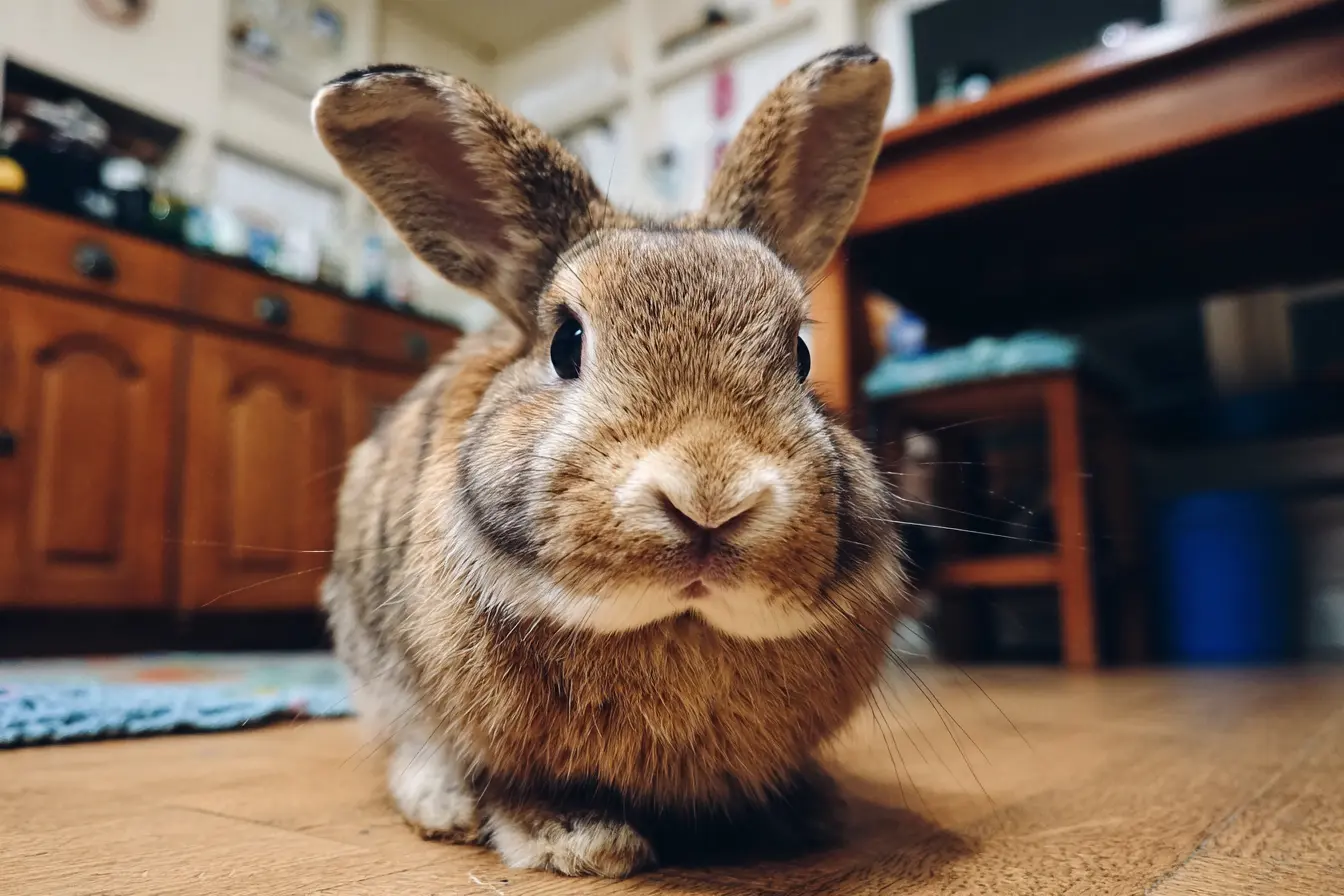
Yes, house rabbits in the UK still need vaccinating. Living indoors cuts down contact with wild rabbits, but myxomatosis and rabbit viral haemorrhagic disease can still reach your rabbit through insects, other pets and things you bring into the house.
Vaccines protect rabbits against myxomatosis and rabbit viral haemorrhagic disease, also called RHD or RVHD. RHD has two types, RHD1 and RHD2. These are serious viral illnesses, and prevention matters because rabbits can become very ill quickly. A rabbit-savvy vet can advise on the right vaccination plan for each rabbit in your home.
Why indoor rabbits can still be exposed
A house rabbit may never meet a wild rabbit, but insects can enter through open doors and windows. Myxomatosis is mainly spread by fleas and mosquitoes that have bitten an infected rabbit. Midges and mites may also spread it, and direct contact with an infected rabbit can pass it on.
RHD can reach your rabbit without any contact with another rabbit. It can be carried by insects and transferred indirectly on clothing, shoes, bedding and other objects. Veterinary guidance also names hay and other items brought into the home as possible routes. You do not need to stop feeding hay. As part of its myxomatosis advice, the RWAF suggests dust-extracted hay or kiln-dried grass, or hay bought direct from farms where myxomatosis has not been seen.
Rabbits living outside, particularly where wild rabbits visit the garden, may face greater exposure. Even so, welfare and veterinary organisations advise vaccination for all pet rabbits, including house rabbits.
The diseases vaccines are for
Myxomatosis affects pet and wild rabbits. Early signs can include red, swollen eyes and swellings around the head, face or ears. It is often fatal. Vaccination cannot stop every case, but vaccinated rabbits that catch myxomatosis usually have a milder illness than unvaccinated rabbits.
Rabbit viral haemorrhagic disease is also very serious. Some rabbits show few signs before they die, while others may become quiet, collapse, have trouble breathing, develop a fever, have fits or bleed from the nose. If your rabbit is suddenly unwell, contact a vet straight away. If you have other rabbits, call the practice before travelling there so the team can tell you what to do.
Talking to your vet about vaccines
Current advice from the Rabbit Welfare Association and Fund (RWAF) is that all pet rabbits have two vaccinations a year. One is a combined vaccine covering myxomatosis, RHD1 and RHD2. The other is a newer RHD vaccine that also protects against highly virulent strains of RHD2 found in mainland Europe. These strains have not been detected in the UK so far, but current tests cannot tell all RHD2 strains apart, so the RWAF advises both vaccines. They are not licensed to be given at the same time, so your rabbit will need two separate visits at least two weeks apart.
Your vet will set the dates using your rabbit’s age, health, vaccination record and the vaccines available to them. The combined vaccine can be given from five weeks of age and the newer vaccine from 30 days of age. Both need a booster every year. Protection takes time to build after a first vaccination, so ask your vet how long to keep a young or newly arrived rabbit away from possible sources of infection.
If you adopted your rabbit, take their vaccination record to the appointment. If you do not have one, tell the vet what you know about their past care. If a booster is overdue, ring the practice for advice rather than assuming an old dose is still giving protection.
Small habits that help at home
Vaccination works alongside sensible daily care. Cut down contact with insects and possible contamination where you can. Screens on windows and doors can help where practical. If you also have a cat or dog, keep its flea treatment up to date, as they can carry rabbit fleas into the house. Ask your vet which products to use, because some flea treatments are toxic to rabbits and some rabbit products are toxic to cats.
Take extra care after visiting rabbits outside your household or places where rabbits are kept. Changing your clothes, changing or disinfecting your shoes and washing your hands before handling your rabbit can reduce the chance of bringing RHD home. Keep unfamiliar rabbits separate from your own rabbits, and speak to your vet before bringing a new rabbit home.
Store hay and bedding somewhere clean and keep outdoor shoes away from your rabbit’s area. These habits lower the risk, but they do not replace vaccination.
At the vaccination appointment
The visit gives your vet a chance to check your rabbit’s general health too. Tell them if your rabbit has been eating less, producing fewer droppings, seems unlike themselves, is taking medicine or has reacted badly after a vaccine before. Rabbits can hide illness, so small changes can be helpful information.
Most rabbits have no problem after vaccination. Mild effects can happen, including being quieter than usual, eating less for a short time or having a small swelling where the injection was given. These effects usually settle within 24 to 48 hours.
Watch how your rabbit eats and whether they pass droppings as usual after the visit. Call your vet if you are worried, particularly if they stop eating. Get urgent veterinary help if your rabbit collapses, struggles to breathe, has a fit or becomes suddenly very unwell.
Keeping track of protection
Put each rabbit’s vaccination dates in your phone or calendar and keep their record somewhere safe. Rabbits who live together can have different due dates, especially when one has joined the home later.
If you are not sure when your rabbit was last vaccinated, or whether they have had both vaccines, ring your vet and ask them to check their records.
Quick questions
- What should I know about do indoor rabbits need vaccinations uk?
- House rabbits in the UK still need vaccines, even if they never go outside. Myxomatosis and rabbit viral haemorrhagic disease, including RHD1 and RHD2, can be brought in by insects, shoes, clothes, hay and other pets. Vet Verified can help you compare UK veterinary practices by location, species, services and opening hours before you call.
- When should I contact a vet about do indoor rabbits need vaccinations uk?
- Contact a veterinary practice if your pet seems unwell, symptoms are getting worse, you are unsure what to do, or the situation may be urgent. Vet Verified helps you compare practice details, but a vet should advise on your pet's current care.
- Can Vet Verified help me find dog vets?
- Yes. Use Vet Verified to compare dog vets across the UK, then check practice profiles and call directly to confirm current availability.
Find a vet
Find a veterinary practice
Compare UK veterinary practices related to this topic. Call the practice to confirm its current services and availability.
Search by species
- Dog vets Find UK veterinary practices that list care for dogs. Compare opening hours, services, facilities and verified profiles, then contact a practice directly.
- Cat vets Find UK veterinary practices that list care for cats. Compare opening hours, services, facilities and verified profiles, then contact a practice directly.