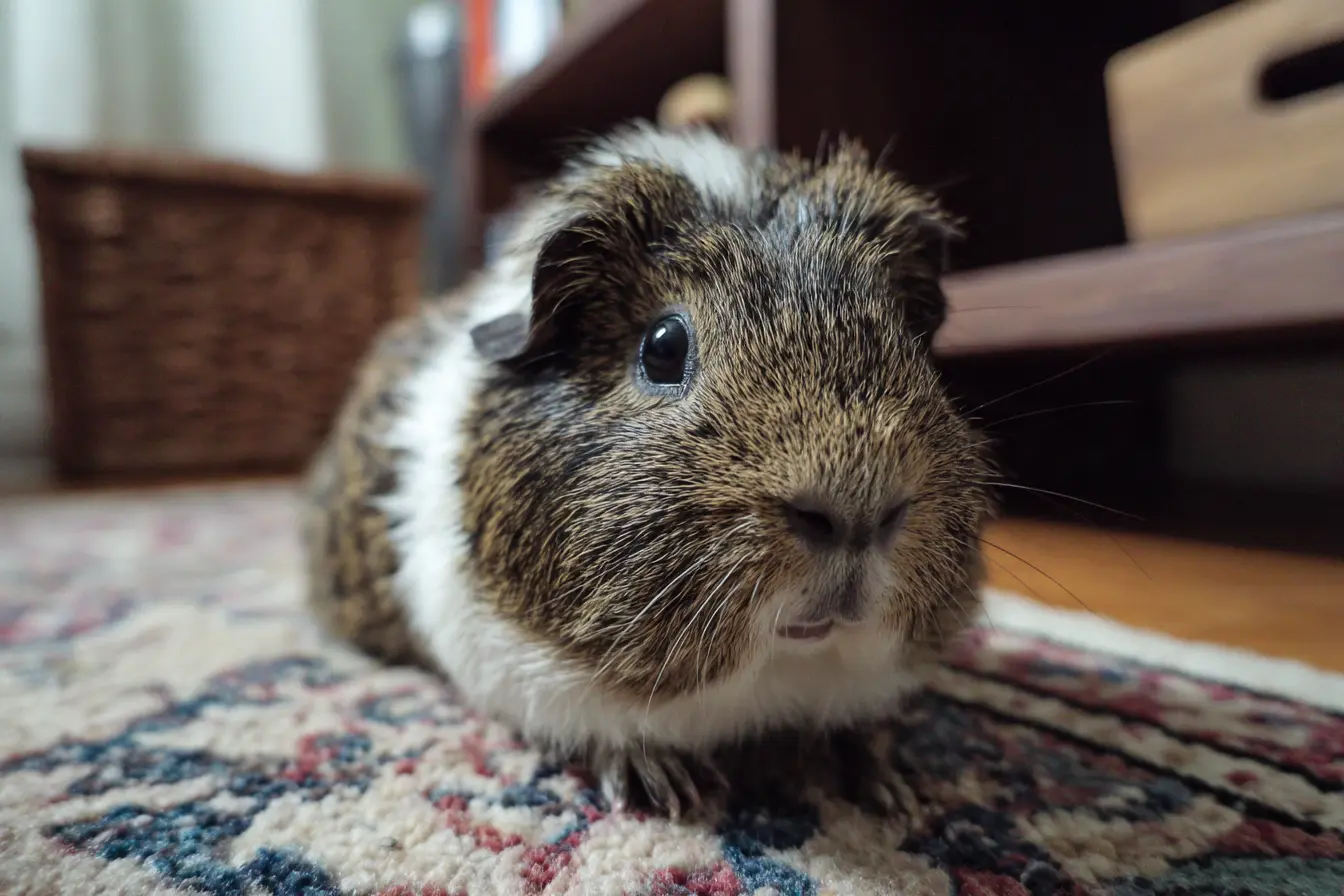
As guinea pigs grow older, their care needs often change. Senior guinea pigs may become less active, develop age-related health problems and require more support to stay comfortable and healthy.
With the right care and attention, many elderly guinea pigs can continue to enjoy a happy and good-quality life well into their senior years.
When Is a Guinea Pig Considered Elderly?
Guinea pigs are generally considered senior from around 4 to 5 years old, although this can vary depending on:
Genetics
Diet
Lifestyle
Overall health
Some guinea pigs may remain active for many years, while others begin showing signs of ageing earlier.
Common Signs of Ageing in Guinea Pigs
As guinea pigs age, you may notice physical and behavioural changes.
Common signs include:
Sleeping more often
Reduced activity levels
Weight changes
Stiffness or slower movement
Reduced grooming
Thinning fur
Cloudy eyes
Changes in appetite
Some changes are part of normal ageing, while others may indicate health problems that require veterinary care.
Arrange Regular Veterinary Check-Ups
Routine health checks become increasingly important as guinea pigs get older.
Regular vet visits can help identify conditions such as:
Dental disease
Arthritis
Heart disease
Respiratory infections
Tumours
Weight loss
Early detection often improves treatment options and quality of life.
Monitor Weight Closely
Weight loss is often one of the earliest signs of illness in elderly guinea pigs.
You should weigh your guinea pig regularly and monitor for:
Gradual weight loss
Reduced muscle mass
Difficulty maintaining weight
Sudden changes in appetite
Even small weight changes can be significant in guinea pigs.
Support Dental Health
Dental problems are common in older guinea pigs because their teeth grow continuously throughout life.
Signs of dental disease may include:
Drooling
Difficulty chewing
Weight loss
Reduced appetite
Preference for soft foods
Wet fur around the mouth
Regular dental checks are important for maintaining comfort and proper nutrition.
Help With Arthritis and Mobility Problems
Many elderly guinea pigs develop stiffness or arthritis.
You may notice:
Difficulty walking
Stiff movements
Reluctance to move
Trouble climbing ramps
Spending more time resting
Simple environmental changes can make movement easier.
Helpful adjustments may include:
Soft bedding
Non-slip flooring
Easy access to food and water
Low-entry hideouts
Removing steep ramps or obstacles
Your vet may also recommend pain relief if needed.
Keep the Environment Comfortable
Older guinea pigs may become more sensitive to temperature changes and uncomfortable surfaces.
To improve comfort:
Keep the enclosure warm and dry
Avoid draughts
Provide soft bedding
Ensure good ventilation
Maintain a calm environment
Comfortable housing can help reduce stress and improve mobility.
Continue Providing Plenty of Hay
Hay remains essential throughout a guinea pig’s life.
It supports:
Digestive health
Dental wear
Natural foraging behaviour
Even elderly guinea pigs should have constant access to fresh, high-quality hay.
Make Sure They Receive Enough Vitamin C
Guinea pigs cannot produce their own vitamin C, making it especially important as they age.
A lack of vitamin C may lead to:
Weakness
Joint pain
Poor coat condition
Reduced immunity
Ensure your guinea pig continues receiving enough vitamin C through:
Fresh vegetables
Guinea pig pellets
Supplements if recommended by your vet
Assist With Grooming if Needed
Older guinea pigs may struggle to groom themselves properly.
This can lead to:
Matted fur
Dirty back ends
Urine staining
Skin irritation
You may need to help by:
Gently brushing their coat
Cleaning dirty areas
Trimming nails regularly
Checking for skin problems
Good hygiene helps prevent discomfort and infection.
Watch for Digestive Problems
Digestive issues can become more common in senior guinea pigs.
Monitor for:
Reduced droppings
Smaller droppings
Diarrhoea
Bloating
Loss of appetite
Any digestive problem should be taken seriously and assessed promptly.
Monitor Behavioural Changes
Changes in behaviour can sometimes indicate pain or illness.
Watch for:
Hiding more often
Reduced interaction
Aggression
Unusual quietness
Changes in sleeping habits
Sudden behavioural changes should not be ignored.
Check for Lumps and Tumours
Older guinea pigs may become more prone to developing lumps or tumours.
You should regularly check for:
New lumps under the skin
Swelling
Changes in body shape
Areas of sensitivity
Not all lumps are cancerous, but they should always be examined by a vet.
Keep Bonded Guinea Pigs Together
Guinea pigs are highly social animals, and companionship remains important in old age.
A bonded companion can provide:
Comfort
Social interaction
Emotional security
Warmth
Separating bonded guinea pigs can cause stress and should usually be avoided.
Encourage Gentle Exercise
Although elderly guinea pigs may move more slowly, gentle exercise is still beneficial.
Regular movement can help support:
Joint health
Muscle strength
Digestion
Mental stimulation
Allow your guinea pig to move at their own pace without forcing activity.
Know the Signs of Pain
Guinea pigs often hide pain, so symptoms may be subtle.
Signs may include:
Teeth grinding
Hunched posture
Reluctance to move
Reduced appetite
Changes in behaviour
Weight loss
Pain management can greatly improve quality of life in elderly guinea pigs.
Provide Emotional Comfort
Older guinea pigs often benefit from stability and predictable routines.
Helpful ways to reduce stress include:
Maintaining familiar routines
Keeping bonded companions together
Avoiding unnecessary changes
Providing quiet resting areas
Spending gentle time together
Emotional wellbeing is an important part of senior guinea pig care.
Conclusion
Caring for an elderly guinea pig involves understanding their changing needs and providing extra support as they age. Regular health checks, careful monitoring and simple adjustments to their environment can help improve comfort and quality of life.
With patience, compassion and proper care, senior guinea pigs can continue to enjoy safe, happy and comfortable lives well into old age.
Quick questions
- What should I know about senior guinea pig care?
- Senior guinea pigs, usually aged four to five and over, may need extra help as they slow down or develop health problems. Vet Verified can help you compare UK veterinary practices by location, species, services and opening hours before you call.
- When should I contact a vet about senior guinea pig care?
- Contact a veterinary practice if your pet seems unwell, symptoms are getting worse, you are unsure what to do, or the situation may be urgent. Vet Verified helps you compare practice details, but a vet should advise on your pet's current care.
- Can Vet Verified help me find a vet?
- Yes. Use Vet Verified to compare UK veterinary practices by location, species, services and opening hours, then call directly to confirm current availability.
Find a vet
Find a veterinary practice
Compare UK veterinary practices related to this topic. Call the practice to confirm its current services and availability.
Find a vet