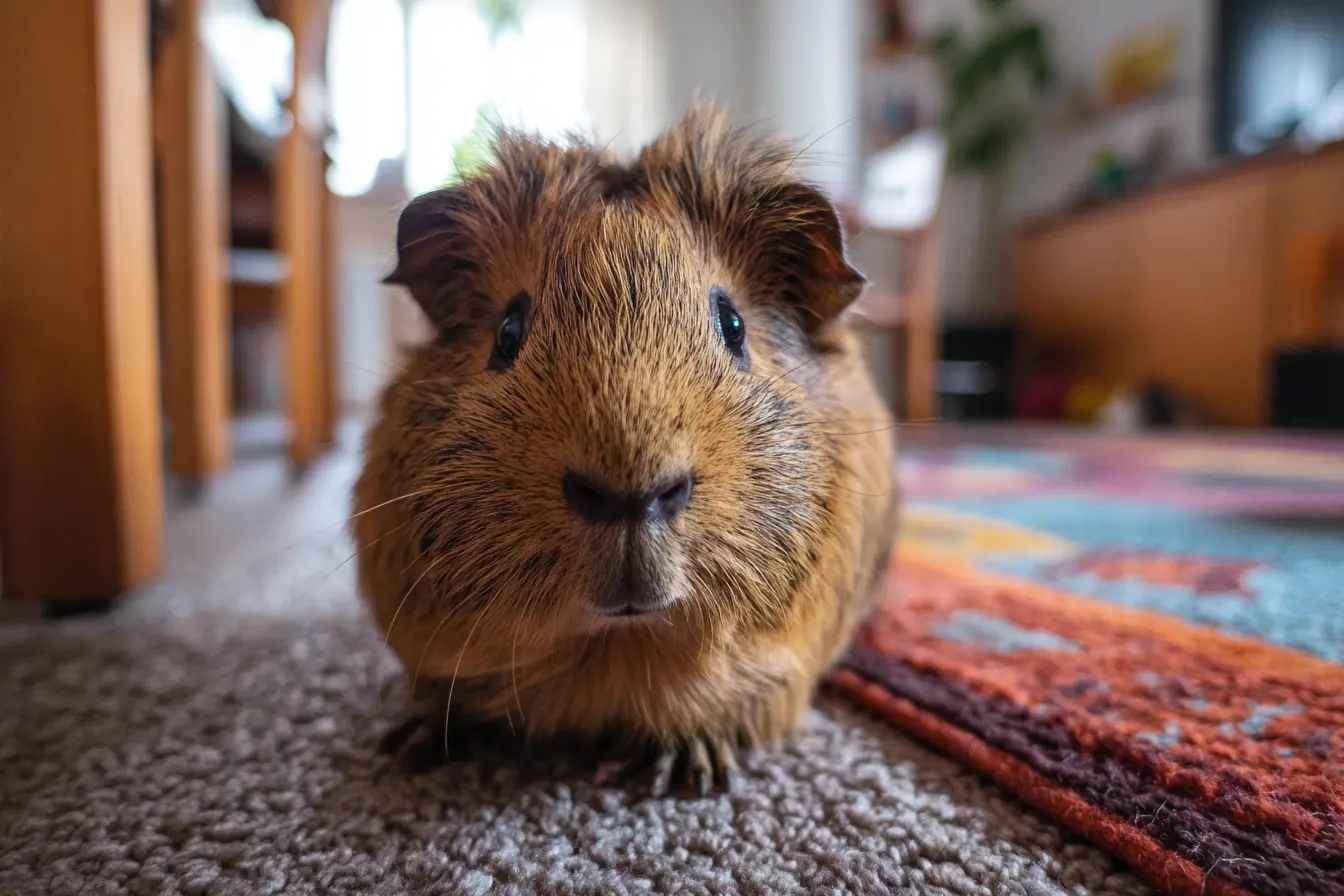
Guinea pigs are naturally active animals that enjoy exploring, foraging and interacting with their surroundings. When a guinea pig develops mobility problems, it can affect nearly every aspect of their daily life, including eating, grooming and social behaviour.
Mobility issues are particularly common in older guinea pigs, but they can also affect younger animals due to injury, illness or nutritional problems. Recognising the signs early and making supportive changes at home can greatly improve your guinea pig’s comfort and quality of life.
What Are Mobility Issues in Guinea Pigs?
Mobility issues refer to any difficulty with normal movement or physical activity.
A guinea pig with mobility problems may struggle to:
Walk normally
Stand comfortably
Climb ramps
Reach food or water easily
Groom themselves
Move around the enclosure
Some mobility issues develop gradually, while others may appear suddenly.
Common Signs of Mobility Problems in Guinea Pigs
Guinea pigs often hide discomfort, so symptoms can sometimes be subtle at first.
Signs to watch for include:
Stiff or slow movement
Limping
Difficulty walking
Dragging the back legs
Reluctance to move
Spending more time lying down
Trouble standing upright
Reduced activity levels
Difficulty reaching food or water
Changes in posture
Some guinea pigs may also become quieter or more withdrawn if they are in pain.
Reduced Grooming and Hygiene Problems
Guinea pigs with mobility issues may struggle to groom themselves properly.
This can lead to:
Matted fur
Dirty back ends
Urine staining
Skin irritation
Poor coat condition
Reduced grooming is often an important sign that a guinea pig is uncomfortable or unable to move normally.
Common Causes of Mobility Issues in Guinea Pigs
There are several possible causes of movement problems in guinea pigs.
Arthritis
Arthritis is one of the most common causes of mobility problems in elderly guinea pigs.
Arthritis occurs when the joints become inflamed and painful.
Signs may include:
Stiffness after resting
Difficulty walking
Reduced activity
Pain when moving
Reluctance to climb or explore
Although arthritis cannot usually be cured, it can often be managed successfully.
Injury or Trauma
Guinea pigs can injure themselves through:
Falls
Slipping on smooth surfaces
Getting trapped in unsafe cage equipment
Rough handling
Accidents during exercise time
Injuries may affect the:
Legs
Spine
Joints
Muscles
Some injuries require urgent veterinary attention.
Vitamin C Deficiency
Guinea pigs cannot produce their own vitamin C, so deficiencies can sometimes affect mobility.
A lack of vitamin C may cause:
Joint pain
Weakness
Swollen joints
Difficulty walking
Lethargy
Severe vitamin C deficiency can become very serious if left untreated.
Obesity
Excess weight places extra strain on joints and muscles.
Obesity may contribute to:
Reduced movement
Arthritis
Difficulty grooming
Pressure sores
Reduced fitness
Maintaining a healthy weight is important for long-term mobility.
Neurological Conditions
Some illnesses affecting the nervous system can interfere with movement and coordination.
Signs may include:
Weakness
Loss of balance
Tremors
Dragging limbs
Difficulty standing
Neurological symptoms should always be assessed by a vet promptly.
Age-Related Muscle Weakness
As guinea pigs age, they may gradually lose muscle strength and flexibility.
Older guinea pigs may become:
Less active
Slower moving
Less steady on their feet
Age-related weakness often develops slowly over time.
Foot Problems
Painful feet can also affect mobility.
Possible problems include:
Sore feet
Swelling
Overgrown nails
Infections
Pressure sores
Uncomfortable feet may make walking difficult or painful.
Why Mobility Problems Should Not Be Ignored
Reduced mobility can affect many areas of a guinea pig’s health.
Movement problems may lead to:
Weight gain
Muscle loss
Poor grooming
Reduced appetite
Skin irritation
Depression or boredom
Early treatment and support can help prevent complications.
How a Vet Can Help
If your guinea pig is struggling to move normally, veterinary advice is essential.
A vet may:
Examine the joints and limbs
Assess pain levels
Check for vitamin deficiencies
Recommend X-rays or scans
Prescribe pain relief
Suggest dietary changes or supportive care
Treatment will depend on the underlying cause.
Pain Management
Pain control is often an important part of managing mobility issues.
Proper pain relief may help:
Improve movement
Increase comfort
Encourage eating and grooming
Improve overall quality of life
Never give human medications to guinea pigs unless instructed by a vet.
How Owners Can Help at Home
Simple changes at home can make life much easier for guinea pigs with mobility problems.
Helpful adjustments may include:
Providing soft bedding
Using non-slip flooring
Removing steep ramps
Making food and water easy to reach
Providing low-entry hideouts
Keeping the enclosure on one level if possible
A more accessible environment can reduce strain and frustration.
Keep the Enclosure Clean and Comfortable
Guinea pigs with limited mobility may spend more time resting in one area.
This makes cleanliness especially important.
You should:
Spot clean daily
Replace damp bedding regularly
Keep resting areas dry
Provide soft and supportive bedding
Clean housing helps prevent skin irritation and infections.
Assist With Grooming if Needed
Some guinea pigs may need help staying clean.
You may need to:
Clean around the back end
Trim nails regularly
Check for urine scald or sore skin
Good hygiene can greatly improve comfort.
Encourage Gentle Exercise
Although movement may be difficult, gentle activity is still beneficial.
Light exercise can help support:
Joint flexibility
Muscle strength
Digestion
Mental stimulation
Allow your guinea pig to move at their own pace without forcing activity.
Monitor Weight Carefully
Maintaining a healthy weight can reduce strain on painful joints.
Your vet may recommend:
Adjusting portion sizes
Increasing hay intake
Reducing sugary treats
Monitoring weight regularly
Both obesity and sudden weight loss can worsen health problems.
Keep Bonded Guinea Pigs Together
Companionship remains important for guinea pigs with mobility issues.
A bonded companion can provide:
Emotional comfort
Social interaction
Warmth
Reassurance
Separating bonded guinea pigs can cause stress and should generally be avoided unless medically necessary.
Signs Your Guinea Pig Needs Urgent Veterinary Attention
Seek veterinary advice immediately if your guinea pig shows:
Sudden paralysis
Severe weakness
Inability to stand
Signs of severe pain
Rapid deterioration
Quick treatment can improve the chances of recovery.
Conclusion
Mobility issues in guinea pigs can develop for many reasons, including arthritis, injury, obesity and vitamin deficiencies. Even mild movement difficulties can affect comfort, hygiene and overall wellbeing, so early recognition is extremely important.
With veterinary care, pain management and supportive changes at home, many guinea pigs with mobility problems can continue to enjoy comfortable, happy and fulfilling lives.
Quick questions
- What should I know about mobility issues in guinea pigs?
- Mobility problems can make it hard for guinea pigs to walk, eat, groom and enjoy time with other guinea pigs. They may be caused by arthritis, injury, low vitamin C, extra weight, sore feet or illnesses affecting the nerves. Vet Verified can help you compare UK veterinary practices by location, species, services and opening hours before you call.
- When should I contact a vet about mobility issues in guinea pigs?
- Contact a veterinary practice if your pet seems unwell, symptoms are getting worse, you are unsure what to do, or the situation may be urgent. Vet Verified helps you compare practice details, but a vet should advise on your pet's current care.
- Can Vet Verified help me find emergency vets?
- Yes. Use Vet Verified to compare emergency vets across the UK, then check practice profiles and call directly to confirm current availability.
Find a vet
Find a veterinary practice
Compare UK veterinary practices related to this topic. Call the practice to confirm its current services and availability.