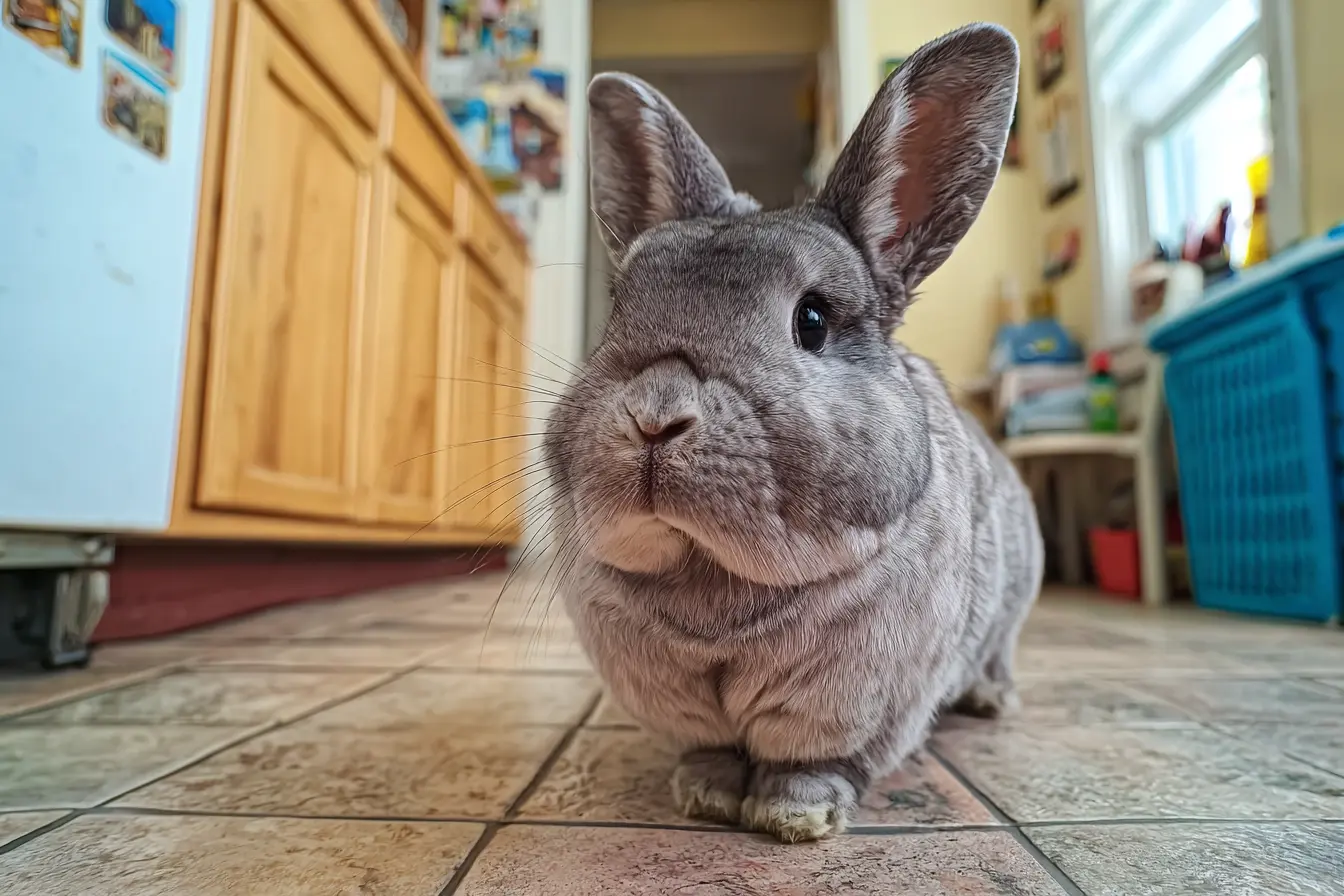
The Giant Chinchilla rabbit is a striking and impressive breed known for its plush silver coat, calm temperament, and substantial size. Although less common in the UK than other giant breeds, such as the Continental or Flemish Giant, the Giant Chinchilla has a loyal following among rabbit enthusiasts due to its beauty, soft fur, and gentle nature.
This detailed guide explores everything you need to know about the Giant Chinchilla rabbit, including its origins, size, temperament, diet, housing needs, grooming requirements, health considerations, and what to expect as an owner.
A Short History of the Giant Chinchilla
The Giant Chinchilla rabbit was developed in the United States in the early 1900s. The breeder, Edward H. Stahl, sought to create a rabbit large enough to be valuable for meat production while preserving the luxurious “chinchilla” coat pattern already admired in smaller breeds.
By crossing Standard Chinchilla rabbits with larger breeds like the Flemish Giant, Stahl produced the Giant Chinchilla; a rabbit with the distinctive silvery coat of the chinchilla pattern but with the size and substance of a giant breed.
Today, the Giant Chinchilla is cherished more for companionship and show than for its original dual-purpose role.
Key Characteristics of the Giant Chinchilla
Weight: Typically 5.5–6.8 kg (some individuals exceed this)
Colour: Only one recognised colour; the classic chinchilla pattern (silver-grey with black ticking)
Coat type: Soft, dense, flyback fur with a luxurious feel
Ears: Upright, medium-long, well-furred
Body type: Semi-arched, well-muscled, and powerful
Lifespan: 5–7 years on average
Temperament: Calm, affectionate, gentle, and steady
The breed combines elegance and size with a soft, plush coat that makes it particularly eye-catching.
Temperament and Behaviour
Giant Chinchillas are known for their mild nature and easy-going personalities.
Common Behaviour Traits:
Affectionate and people-oriented
Calm but curious
Gentle with children (when supervised)
Enjoy being stroked and fussed
Generally not as hyperactive as Giant Papillons
Social and do well with a bonded companion
They thrive in calm environments and appreciate daily interaction.
Housing Requirements
As a giant breed, the Giant Chinchilla needs spacious, sturdy housing that allows for movement, stretching, and play.
Indoor Housing
The ideal indoor setup includes:
A rabbit-proofed room or
A large pen measuring at least 10 ft x 6 ft
Additional daily access to a larger area for play
Indoor living allows for strong bonding with owners and helps avoid weather-related health issues.
Outdoor Housing
If housed outdoors, the setup must be:
Predator-proof
Weatherproof and insulated
Large enough for free movement
Minimum recommended sizes:
Sleeping area: 6 ft x 3 ft
Permanent run: 10 ft x 6 ft
Height: 3 ft minimum
Housing Must Include:
Solid, non-slip flooring
Soft bedding (hay, straw, fleece)
Heavy-duty toys and bowls
Tunnels and hides big enough for giants
A cool place in summer
Warm, dry shelter in winter
Giant Chinchillas are more prone to sore hocks, so flooring must always be soft and supportive.
Diet and Nutrition
Like all rabbits, the Giant Chinchilla requires a fibre-rich diet for digestive and dental health.
Hay (80–90% of the diet)
Essential for:
Healthy digestion
Natural tooth wear
Mental stimulation
Good hay types include:
Timothy
Meadow
Orchard
Ryegrass
Unlimited hay should always be available.
Fresh Greens
Feed 2–4 cups daily depending on size:
Spring greens
Romaine lettuce
Kale
Coriander
Parsley (sparingly)
Dandelion
Herbs (mint, basil, rocket)
Pellets
High-fibre, timothy-based pellets are best.
Recommended amounts:
Adults: 50–100 g per day
Young rabbits: Larger amounts for growth
Avoid muesli-style mixes.
Treats
Offer sparingly:
Carrot
Apple slices
Berries
Fresh herbs
Fresh water should always be available.
Exercise and Enrichment
The Giant Chinchilla may be calm, but they still require daily exercise.
Enrichment Suggestions
Dog-sized tunnels
Sturdy cardboard boxes
Digging boxes
Foraging toys
Treat puzzles
Hay racks and chew toys
Platforms to hop onto
Daily free-roaming time helps prevent obesity and maintains muscle tone.
Grooming and Coat Maintenance
The Giant Chinchilla’s coat is dense and silky, but generally low-maintenance.
Grooming Checklist:
Weekly brushing
Daily brushing during moulting season
Nail trimming every 4–6 weeks
Rear-end checks for cleanliness
Ear inspections for wax
Regular checks for mites, fleas, or dandruff
Their thick fur can shed heavily twice a year, so extra grooming is essential during those periods.
Health Considerations
The Giant Chinchilla shares many health concerns with other giant rabbit breeds.
Common Health Issues:
Sore hocks (due to size and weight)
Arthritis
Obesity
Dental issues
Gastrointestinal stasis
Flystrike
Respiratory infections
Veterinary Care:
Annual vaccinations (myxomatosis, RHD1, RHD2)
Neutering recommended
Regular weight monitoring
Access to a rabbit-savvy vet
Giant breeds may require slightly higher veterinary costs due to weight-based medication doses.
Handling and Social Needs
Giant Chinchillas are friendly but require careful handling due to their size.
Safe Handling Tips:
Support the chest and hindquarters firmly
Keep the rabbit close to your body
Avoid sudden lifting
Always interact at ground level where possible
Improper handling may lead to spinal injuries.
Social Needs
Giant Chinchillas thrive with companionship.
Ideal companions include:
Another Giant Chinchilla
Calm, large-medium rabbits
Neutering makes bonding easier and safer.
Is a Giant Chinchilla Rabbit Right for You?
The Giant Chinchilla is a magnificent breed, but not suitable for every household.
Ideal For:
Homes with plenty of space
Experienced rabbit owners
Families with older children
People committed to providing daily enrichment
Owners prepared for higher food and housing costs
Not Ideal For:
Small homes or flats
First-time rabbit keepers
Families with very young children
People with limited time for care
Anyone unable to lift a large rabbit safely
Proper preparation is key to meeting their needs.
Conclusion
The Giant Chinchilla rabbit is a gentle, intelligent, and striking breed that can make a wonderful companion for the right owner. With its luxurious chinchilla-coloured coat and calm personality, it stands out among the giant rabbit breeds.
Providing plenty of space, a hay-rich diet, mental stimulation, gentle handling, and regular veterinary care will help this magnificent rabbit thrive and live a happy, healthy life.
Quick questions
- What should I know about giant chinchilla rabbit?
- The Giant Chinchilla is a large, calm rabbit with a soft silver-grey coat. It usually weighs 5.5 to 6.8 kg and can live for 5 to 7 years. It needs lots of safe space, daily play, unlimited hay, fresh greens and regular grooming. Vet Verified can help you compare UK veterinary practices by location, species, services and opening hours before you call.
- When should I contact a vet about giant chinchilla rabbit?
- Contact a veterinary practice if your pet seems unwell, symptoms are getting worse, you are unsure what to do, or the situation may be urgent. Vet Verified helps you compare practice details, but a vet should advise on your pet's current care.
- Can Vet Verified help me find dog vets?
- Yes. Use Vet Verified to compare dog vets across the UK, then check practice profiles and call directly to confirm current availability.
Find a vet
Find a veterinary practice
Compare UK veterinary practices related to this topic. Call the practice to confirm its current services and availability.