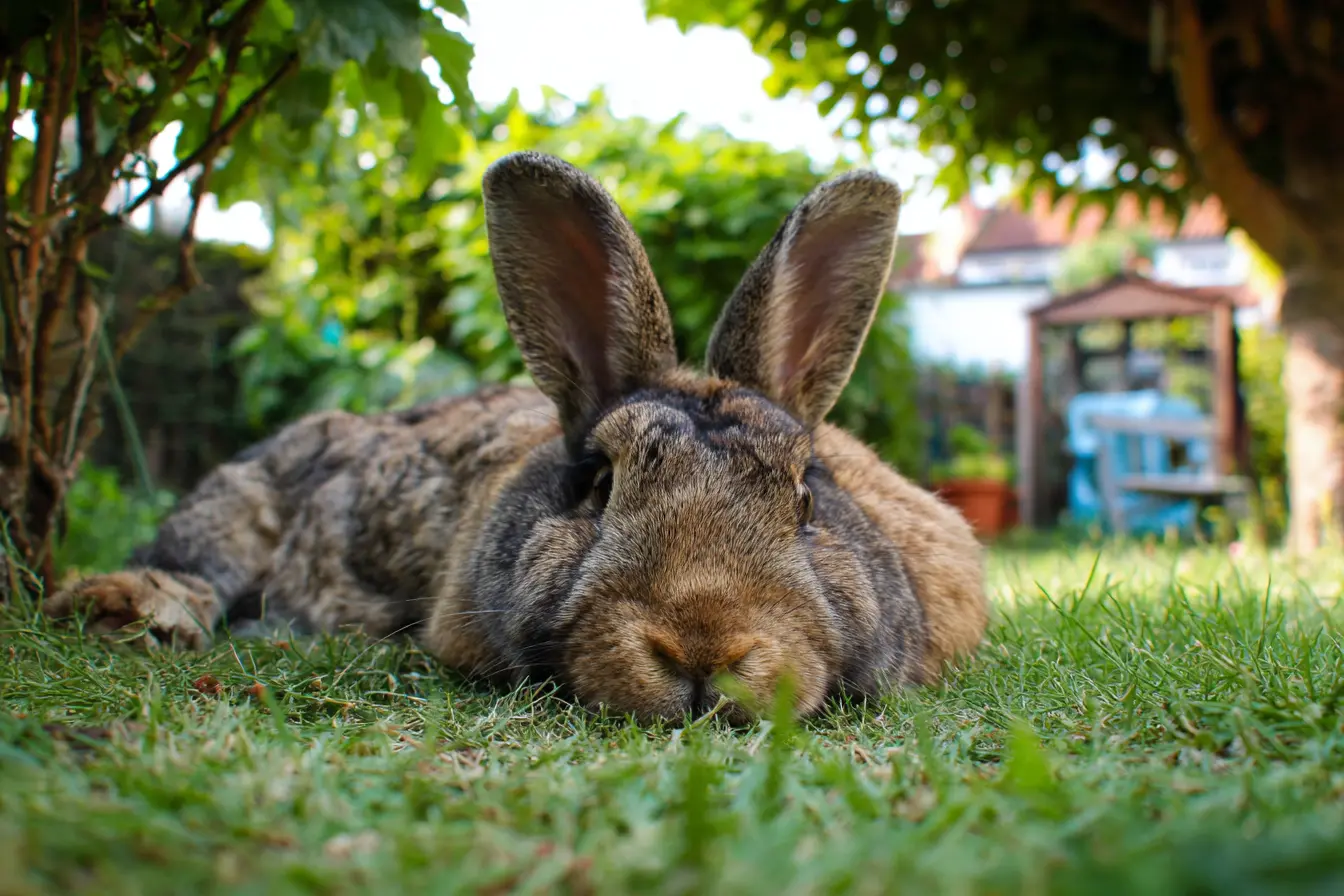
The Flemish Giant is one of the oldest and most recognisable rabbit breeds in the world. Known for their extraordinary size, calm nature, and friendly, dog-like personalities, Flemish Giants have captured the hearts of rabbit enthusiasts for centuries. They are impressive animals that require thoughtful care, generous space, and a dedicated owner.
This blog post covers everything you need to know about Flemish Giants: their history, temperament, housing, diet, grooming, health, and what to consider before bringing one home.
A Brief History of the Flemish Giant
The Flemish Giant is believed to have originated in Flanders (modern-day Belgium) as early as the 16th century. They were originally bred for meat and fur, prized for their large size and calm temperament. Over time, they became popular exhibition animals and much-loved pets.
Today, Flemish Giants are known worldwide as one of the largest and most iconic rabbit breeds.
Key Characteristics of the Flemish Giant
Weight: Typically 6–10 kg, sometimes more
Body type: Long, powerful body with a broad head
Ears: Large, upright ears often over 6 inches long
Lifespan: 5–7 years on average
Temperament: Gentle, placid, friendly, confident
Colours: Recognised colours include black, blue, fawn, light grey, steel grey, sandy, and white
They are frequently referred to as “gentle giants”, and for good reason, their personalities are soft, calm, and affectionate.
Temperament and Behaviour
Flemish Giants are known for their exceptionally sweet and docile dispositions. Many owners compare them to dogs due to their interactive, curious nature.
Common Behaviour Traits:
Friendly with people and other rabbits
Rarely skittish or aggressive
Enjoy being stroked and often seek human attention
Can be litter trained
Prefer interacting on the ground rather than being picked up
Intelligent and enjoy enrichment and exploration
Their relaxed temperament makes them wonderful pets for experienced rabbit keepers, families with older children, and anyone with the space to accommodate them.
Housing Requirements
Due to their large size, Flemish Giants require significantly more space than average rabbits. Standard hutches or indoor cages are far too small.
Outdoor Housing
Sleeping area: At least 6 ft x 3 ft
Permanent run: At least 10 ft x 6 ft
Height: 3 ft minimum for standing and stretching
Indoor Housing
Many Flemish Giant owners choose to keep them indoors because:
They bond well with families
They enjoy interaction
They can free roam like a cat or dog
Indoor Flemish Giants should have:
A dedicated room or oversized pen
At least 10 ft x 6 ft of space
Daily access to larger areas for exercise
Essential Housing Features
Solid flooring with soft bedding
Strong, heavy-duty litter trays
Secure, rabbit-proofed environment
Enrichment items sized for large animals
Protection from extreme heat or cold
Flemish Giants must never be confined to small hutches; inadequate space can lead to stress, obesity, sore hocks, and joint problems.
Diet and Nutrition
Flemish Giants are large rabbits with large appetites, but their diet must remain balanced to prevent obesity and digestive issues.
Hay – The Most Important Food
Hay should form 80–90% of their diet, providing:
Fibre for digestion
Dental wear
Mental stimulation
Recommended types:
Timothy
Meadow
Orchard
Ryegrass hay
Fresh Greens
Offer 2–4 cups daily:
Spring greens
Kale
Romaine lettuce
Dandelion greens
Coriander, parsley
Mint, basil, rocket
Pellets
Pellets should be high in fibre and timothy-based.
Young rabbits: Larger portions to support growth
Adults: 50–100 g per day to avoid weight gain
Treats
Give sparingly:
Small pieces of carrot
Apple
Berries
Banana (very limited)
Fresh water should always be available in multiple bowls or bottles.
Exercise and Enrichment
Flemish Giants may be calm, but they still need daily activity to stay fit and prevent boredom.
Suitable Enrichment:
Large tunnels (designed for cats or small dogs)
Cardboard boxes big enough for their size
Dig boxes
Sturdy platforms
Foraging mats and toys
Safe outdoor time in a secure garden
Daily exercise prevents obesity and strengthens their joints and muscles.
Grooming and Coat Care
Flemish Giants have short, dense coats that are generally low-maintenance.
Grooming Needs:
Weekly brushing (more during moulting seasons)
Nail trims every 4–6 weeks
Regular checks for:
Sore hocks
Ear wax build-up
Dental issues
Flystrike in warmer months
Shedding can be heavy twice a year, and extra brushing helps prevent fur ingestion.
Health Concerns of the Flemish Giant
Like all giant rabbit breeds, Flemish Giants may be prone to health issues related to size.
Common Health Problems:
Arthritis
Obesity
Sore hocks (pododermatitis)
Heart and respiratory problems
Gastrointestinal stasis
Dental misalignment
Flystrike
Veterinary Care:
Annual vaccinations
Neutering recommended for behavioural and health reasons
Weight checks
Access to a rabbit-savvy vet experienced with giant breeds
Because they require larger doses of medication, vet bills may be higher than with smaller rabbits.
Handling and Safety
Flemish Giants can be fragile despite their size.
Handling Tips:
Always support the chest and hindquarters
Avoid lifting unless absolutely necessary
Never allow them to kick or struggle (high risk of spinal injury)
Interact on the floor when possible
Most Flemish Giants prefer gentle stroking and companionship over being carried.
Social Needs
Flemish Giants are social animals and benefit greatly from companionship. A bonded pair or group improves mental wellbeing and reduces stress.
Suitable Companions:
Other Flemish Giants
Large medium-sized breeds
Neutered opposite-sex pairs are typically the most successful
Bonding should always be done gradually and in neutral territory.
Are Flemish Giants Expensive to Keep?
Flemish Giants require more resources than smaller rabbits.
Expected Costs:
Larger quantities of hay and vegetables
Bigger litter trays, beds, pens, and toys
More bedding
Higher veterinary costs
Larger housing or indoor free-roam setups
Prospective owners must budget realistically to ensure proper care.
Is a Flemish Giant the Right Rabbit for You?
Flemish Giants can make extraordinary companions, but they are not suitable for every home.
Ideal Owners:
People with ample space indoors or outdoors
Families with older children
Individuals willing to provide daily enrichment
Experienced rabbit keepers
Those prepared for higher costs
Not Suitable For:
Small homes or flats without space
First-time pet owners
Families with very young children
People who cannot lift or manage a large rabbit safely
Caring for a Flemish Giant is a rewarding but significant commitment.
Conclusion
The Flemish Giant is a gentle, impressive, and affectionate breed that makes a wonderful companion for the right owner. Their size demands more space, more food, and more careful management than smaller breeds, but their warm personalities and calm nature make them truly special.
With proper housing, a hay-rich diet, regular healthcare, enrichment, and companionship, Flemish Giants can thrive and become cherished members of the family.
Quick questions
- What should I know about flemish giant?
- The Flemish Giant is a large and friendly rabbit breed, known for its gentle nature and impressive size. Originating from Flanders, this breed has been popular as both exhibition animals and pets. Vet Verified can help you compare UK veterinary practices by location, species, services and opening hours before you call.
- When should I contact a vet about flemish giant?
- Contact a veterinary practice if your pet seems unwell, symptoms are getting worse, you are unsure what to do, or the situation may be urgent. Vet Verified helps you compare practice details, but a vet should advise on your pet's current care.
- Can Vet Verified help me find dog vets?
- Yes. Use Vet Verified to compare dog vets across the UK, then check practice profiles and call directly to confirm current availability.
Find a vet
Find a veterinary practice
Compare UK veterinary practices related to this topic. Call the practice to confirm its current services and availability.
Search by species
- Dog vets Find UK veterinary practices that list care for dogs. Compare opening hours, services, facilities and verified profiles, then contact a practice directly.
- Cat vets Find UK veterinary practices that list care for cats. Compare opening hours, services, facilities and verified profiles, then contact a practice directly.