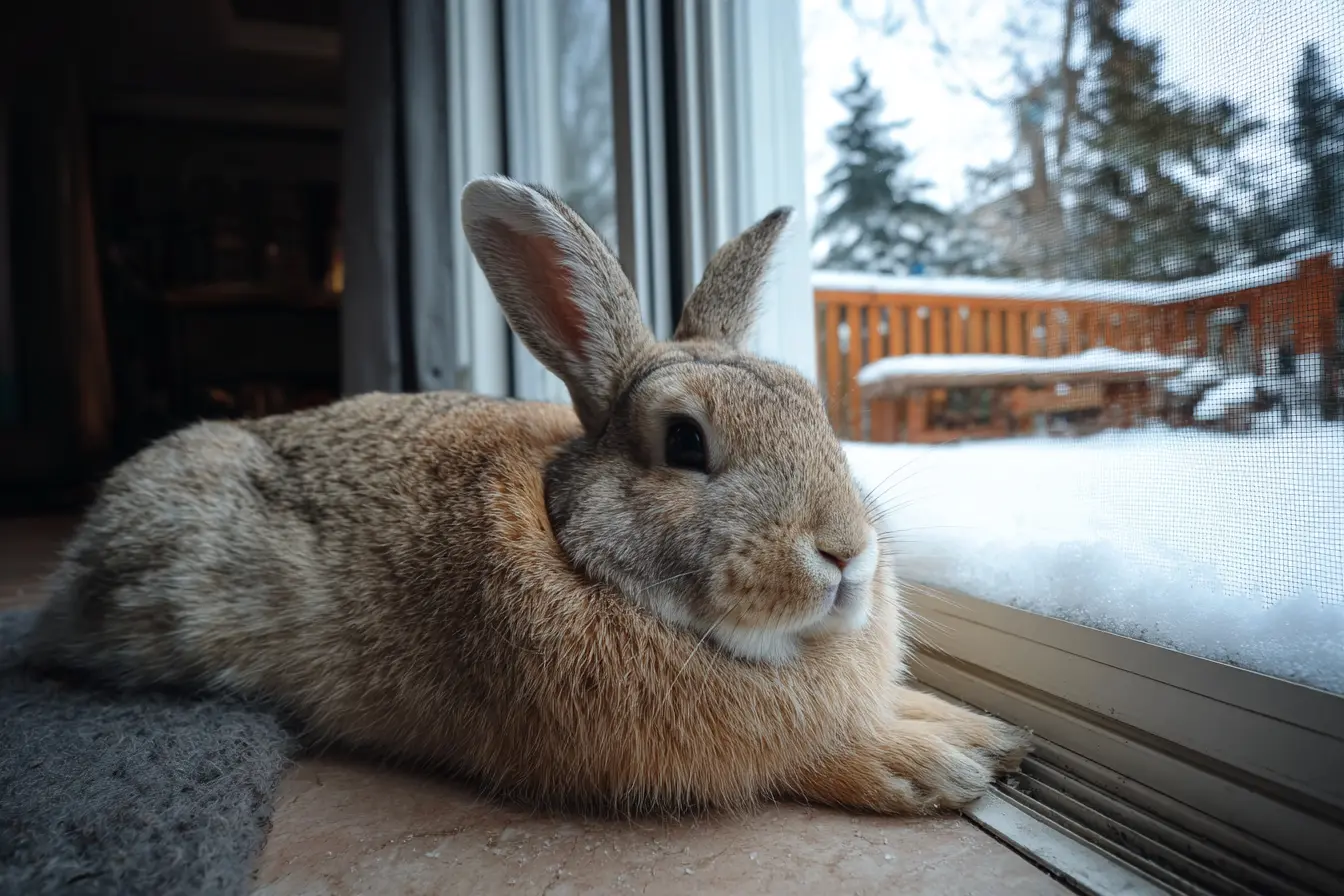
Cold weather, ice and snow can pose serious risks to rabbits, particularly in the UK where winter conditions are often damp, changeable and unpredictable. While rabbits are sometimes thought of as hardy animals, they are highly sensitive to cold combined with wind, damp and draughts, and rely entirely on their owners to provide appropriate protection during winter.
This guide covers everything owners need to know to keep their rabbits safe, warm and healthy throughout the colder months, including housing options, nutrition, health risks and practical winter care.
How Cold Is Too Cold for Rabbits?
Rabbits generally cope better with cold than heat, but only when they are healthy, dry, well fed and properly sheltered. Cold becomes dangerous when it is combined with moisture, wind or poor housing.
Factors That Affect Cold Tolerance
Age, with young and elderly rabbits being more vulnerable
Existing health or dental problems
Body condition and weight
Whether rabbits live indoors or outdoors
Exposure to wind, rain and damp bedding
General Temperature Guidance
Above 10°C – Most rabbits are comfortable
Between 5°C and 10°C – Rabbits need good shelter and dry bedding
Below 5°C – Extra protection and close monitoring are essential
Below 0°C – High risk of hypothermia and frostbite, particularly for outdoor rabbits
Rabbits should never be left exposed to prolonged freezing conditions without additional protection.
Housing and Shelter in Winter
Traditional Outdoor Hutches
Outdoor rabbits require significant winter preparation.
Hutches should be raised off the ground
They must be weatherproof, sturdy and draught-free
Position hutches away from prevailing wind and heavy rain
Use thick layers of bedding such as straw or hay for insulation
Line sleeping areas with insulation boards or purpose-made hutch covers
Ensure ventilation is adequate without creating draughts
Never place hutches directly on frozen or wet ground.
Alternative Winter Housing Options for Outdoor Rabbits
During periods of severe cold, ice or snow, standard hutches may not provide sufficient protection. In these situations, alternative housing options can greatly improve warmth, safety and comfort.
Garden Sheds
A secure garden shed can make an excellent home for rabbits.
Benefits:
Strong protection from wind, rain and snow
More stable temperatures than hutches
Space for larger enclosures and enrichment
Important considerations:
Ensure good ventilation without draughts
Insulate walls and floors where possible
Provide raised sleeping areas with plenty of bedding
Ensure sheds are predator-proof and securely closed
Garages
Garages can be suitable for short-term winter housing if set up correctly.
Benefits:
Warmer than outdoor hutches
Shelter from extreme weather
Essential safety points:
Garages must be dry and well ventilated
Never house rabbits in a garage with a running vehicle
Avoid exposure to fumes, fuel, paints or chemicals
Ensure rabbits cannot access hazardous substances
Attached garages may be warmer but should be monitored carefully for air quality.
Utility Rooms, Porches and Boot Rooms
Enclosed indoor-adjacent spaces can provide safe winter accommodation.
Benefits:
Stable temperatures
Easy monitoring of health and behaviour
Reduced exposure to damp and frost
Considerations:
Protect wires and household items
Provide non-slip, insulated flooring
Maintain a calm, consistent routine
These spaces are particularly suitable for elderly or vulnerable rabbits.
Summerhouses and Outbuildings
Summerhouses and outbuildings can be adapted for winter use.
Preparation tips:
Add insulation panels and thick bedding
Block draughts while maintaining airflow
Ensure the structure is fully waterproof
Raise sleeping areas off the floor
Moving Rabbits Indoors Temporarily
In extreme weather, bringing rabbits indoors may be the safest option.
Suitable indoor spaces include:
Spare rooms
Large indoor pens
Playpens in quiet areas of the home
When moving rabbits indoors:
Avoid sudden temperature changes
Introduce them gradually if possible
Keep diet and routine consistent
Indoor housing is especially beneficial for elderly, young or unwell rabbits.
Bedding and Insulation
Use dust-extracted straw or hay for warmth
Avoid blankets or towels outdoors, as they absorb moisture and can freeze
Check bedding daily and replace if damp
Provide enclosed sleeping compartments to retain heat
Rabbits should always have access to dry, clean bedding.
Protecting Rabbits from Damp and Draughts
Damp conditions are often more dangerous than cold itself.
Repair leaks promptly
Keep sleeping areas elevated
Use covers on runs to keep rain and snow out
Avoid blocking ventilation completely
Persistent damp increases the risk of respiratory disease and skin infections.
Nutrition and Hydration in Cold Weather
Feeding
Rabbits may need slightly more energy in winter.
Provide unlimited hay at all times
Offer fresh leafy greens daily, removing uneaten food before it freezes
Monitor weight regularly
Avoid sudden diet changes
Water
Water bottles and bowls can freeze quickly.
Check water multiple times a day
Use insulated bottle covers
Swap frozen bottles promptly
Consider heavy ceramic bowls, which freeze more slowly
Rabbits must never be left without access to fresh water.
Health Risks During Winter
Hypothermia
Signs include lethargy, cold ears, weakness and shallow breathing. Hypothermia is a veterinary emergency. Bring rabbits indoors and contact a vet immediately.
Frostbite
Usually affects ears, feet and nose. Signs include pale or bluish skin, swelling and pain. Urgent veterinary treatment is required.
Respiratory Illness
Cold, damp environments can trigger respiratory infections. Watch for sneezing, nasal discharge, noisy breathing and reduced appetite.
Arthritis and Mobility Issues
Cold weather can worsen joint pain in older rabbits. Provide extra bedding and ensure easy access to food, water and litter areas.
Exercise and Enrichment in Winter
Rabbits still need daily exercise and mental stimulation.
Allow supervised exercise in sheltered runs
Clear ice and snow from exercise areas
Provide tunnels, toys and enrichment indoors if outdoor time is limited
Never allow rabbits to exercise on icy surfaces.
Companionship and Social Needs
Rabbits are social animals.
Bonded pairs help keep each other warm
Monitor bonded rabbits closely during winter
Never separate bonded rabbits unless advised by a vet
Special Considerations for Vulnerable Rabbits
Elderly Rabbits
Older rabbits struggle more with temperature regulation and may benefit from being moved indoors during cold weather.
Young or Sick Rabbits
Young, underweight or unwell rabbits should be kept indoors during winter and monitored closely.
Preparing for Severe Winter Weather
Stock up on hay, food and bedding
Check housing and alternative shelters before bad weather arrives
Keep veterinary contact details accessible
Have a plan to move rabbits indoors if conditions deteriorate
Conclusion
Winter can be a challenging time for rabbits, particularly in the UK’s cold and damp climate. With appropriate housing, dry bedding, adequate nutrition and careful monitoring, rabbits can remain comfortable and healthy throughout the colder months.
By planning ahead and adapting housing when necessary, you can ensure your rabbits stay safe, warm and well until spring arrives.
Quick questions
- What should I know about rabbit care in winter?
- Cold weather poses risks to rabbits in the UK due to damp and unpredictable conditions. Rabbits are sensitive to cold, wind, and dampness, relying on owners for protection. Vet Verified can help you compare UK veterinary practices by location, species, services and opening hours before you call.
- When should I contact a vet about rabbit care in winter?
- Contact a veterinary practice if your pet seems unwell, symptoms are getting worse, you are unsure what to do, or the situation may be urgent. Vet Verified helps you compare practice details, but a vet should advise on your pet's current care.
- Can Vet Verified help me find emergency vets?
- Yes. Use Vet Verified to compare emergency vets across the UK, then check practice profiles and call directly to confirm current availability.
Find a vet
Find a veterinary practice
Compare UK veterinary practices related to this topic. Call the practice to confirm its current services and availability.