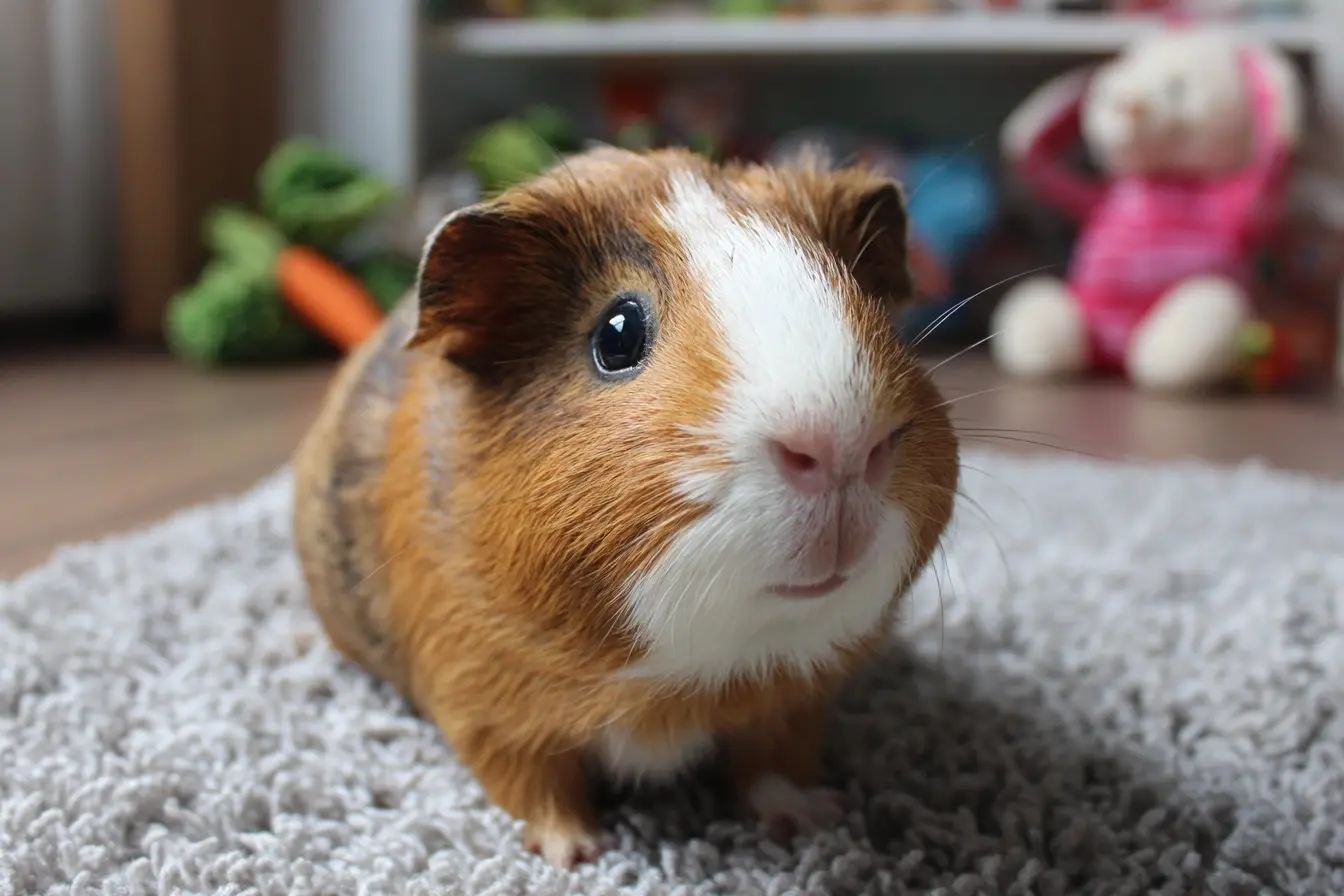
If you are planning a holiday or time away from home, arranging proper care for your guinea pigs is essential. Guinea pigs require daily feeding, cleaning and health monitoring, so they should never be left unattended for long periods.
One of the biggest decisions owners face is whether to use a boarding facility or arrange home visits. Both options can work well, but the best choice depends on your guinea pigs’ personality, health and routine.
Why Guinea Pigs Need Daily Care
Guinea pigs are delicate animals that rely on consistent daily care to stay healthy.
They need:
Unlimited fresh hay
Clean water
Daily cage cleaning
Social interaction
Monitoring for signs of illness
Guinea pigs can become seriously ill quite quickly, especially if they stop eating, so regular supervision is extremely important.
What Is a Guinea Pig Boarding Facility?
A boarding facility is a place where your guinea pigs stay while you are away.
Depending on the service, guinea pigs may be housed:
Indoors
In dedicated small animal rooms
In individual or bonded enclosures
In climate-controlled accommodation
Some facilities specialise in guinea pigs and small pets, while others care for a wider range of animals.
Advantages of Boarding Facilities
Boarding facilities can offer several benefits for guinea pig owners.
Professional Care
Many boarding facilities have staff experienced in caring for small animals.
This may include:
Monitoring appetite and droppings
Recognising signs of illness
Administering medication
Managing special diets
Experienced carers may spot problems earlier than an inexperienced sitter.
Frequent Monitoring
Boarding facilities often provide multiple welfare checks throughout the day.
This can be especially useful for guinea pigs with:
Health conditions
Recent illness
Medication requirements
Dietary sensitivities
Secure Housing
A good boarding facility should provide secure accommodation protected from:
Escapes
Predators
Extreme temperatures
Household hazards
This can offer peace of mind while you are away.
Useful for Complex Care Needs
Boarding may be the safest option if your guinea pigs require:
Regular medication
Assisted feeding
Close health monitoring
Special veterinary care
Disadvantages of Boarding Facilities
Despite the benefits, boarding may not suit every guinea pig.
Stress From a New Environment
Some guinea pigs become anxious in unfamiliar surroundings.
Stress may cause:
Hiding
Reduced appetite
Weight loss
Nervous behaviour
Digestive upset
Sensitive guinea pigs may struggle with changes in environment or routine.
Travel Can Be Stressful
Transporting guinea pigs to and from a boarding facility can sometimes cause anxiety.
Long journeys may increase stress, particularly for nervous pets.
Exposure to Noise and Other Animals
Boarding facilities that also house larger animals may expose guinea pigs to:
Barking dogs
Loud noises
Unfamiliar smells
Increased activity levels
This can sometimes make timid guinea pigs feel unsafe.
What Are Home Visits?
Home visits involve a pet sitter, friend or professional carer visiting your home to look after your guinea pigs while they remain in their usual environment.
Visits may take place:
Once daily
Twice daily
Several times throughout the day
Advantages of Home Visits
Home visits are often preferred for guinea pigs that thrive on routine.
Familiar Environment
Remaining at home allows guinea pigs to keep:
Their normal enclosure
Familiar smells
Usual feeding routine
Favourite hideouts and toys
This consistency may reduce stress considerably.
Reduced Anxiety
Many guinea pigs feel safer in familiar surroundings and may settle more easily when cared for at home.
No Need for Transport
Avoiding travel can benefit guinea pigs that become stressed during journeys.
Lower Exposure to Other Animals
Staying at home may reduce contact with unfamiliar animals and noisy environments.
This can be particularly helpful for nervous guinea pigs.
Disadvantages of Home Visits
There are also limitations to home visits.
Less Frequent Monitoring
Depending on the arrangement, guinea pigs may only be checked once or twice daily.
Health problems could potentially develop between visits.
Quality of Care May Vary
Not all pet sitters understand guinea pig care properly.
It is important that the caregiver knows about:
Signs of illness
Safe handling
Emergency procedures
Emergencies May Be Missed
If a guinea pig becomes suddenly unwell, problems may not be noticed immediately unless visits are frequent.
Which Option Is Best for Nervous Guinea Pigs?
Nervous guinea pigs often cope better with home visits because they can remain in familiar surroundings.
However, guinea pigs with medical conditions may benefit from the closer supervision available at some boarding facilities.
The best choice depends on factors such as:
Temperament
Health status
Quality of available care
Length of your trip
Keep Bonded Guinea Pigs Together
Guinea pigs are social animals and bonded companions should usually stay together.
Separating bonded guinea pigs can lead to:
Stress
Anxiety
Reduced appetite
Depression
Behavioural changes
Whether using boarding or home visits, keeping bonded pairs together is generally recommended.
Questions to Ask Before Choosing
Before making a decision, consider:
Is your guinea pig nervous or confident?
Does your guinea pig have medical needs?
How experienced is the caregiver?
How often will checks take place?
Will your guinea pigs need medication?
How long will you be away?
Answering these questions can help you choose the most suitable care option.
How to Prepare Your Guinea Pigs
Preparation is important regardless of which option you choose.
You should:
Leave detailed feeding instructions
Provide enough hay and supplies
Explain vitamin C requirements
Leave emergency vet contact details
Provide familiar bedding and hideouts
Explain medication schedules clearly
The more information carers have, the easier it will be to maintain your guinea pigs’ routine.
Signs Your Guinea Pigs May Be Struggling
Caregivers should monitor for signs of stress or illness.
These may include:
Reduced appetite
Weight loss
Hiding constantly
Diarrhoea
Sneezing or breathing problems
Unusual quietness
Any concerning symptoms should be assessed by a vet promptly.
Conclusion
Both boarding facilities and home visits can work well for guinea pigs, but the right choice depends on your pets’ individual needs and personality. Boarding may offer more supervision and experienced care, while home visits can reduce stress by allowing guinea pigs to remain in familiar surroundings.
By considering your guinea pigs’ temperament, health and routine carefully, you can choose the option that helps them stay comfortable, safe and well cared for while you are away.
Quick questions
- What should I know about guinea pig holiday care?
- Guinea pig boarding facilities and home visits can both provide safe holiday care, but the right option depends on your guinea pigs’ health, temperament and daily routine. Vet Verified can help you compare UK veterinary practices by location, species, services and opening hours before you call.
- When should I contact a vet about guinea pig holiday care?
- Contact a veterinary practice if your pet seems unwell, symptoms are getting worse, you are unsure what to do, or the situation may be urgent. Vet Verified helps you compare practice details, but a vet should advise on your pet's current care.
- Can Vet Verified help me find dog vets?
- Yes. Use Vet Verified to compare dog vets across the UK, then check practice profiles and call directly to confirm current availability.
Find a vet
Find a veterinary practice
Compare UK veterinary practices related to this topic. Call the practice to confirm its current services and availability.