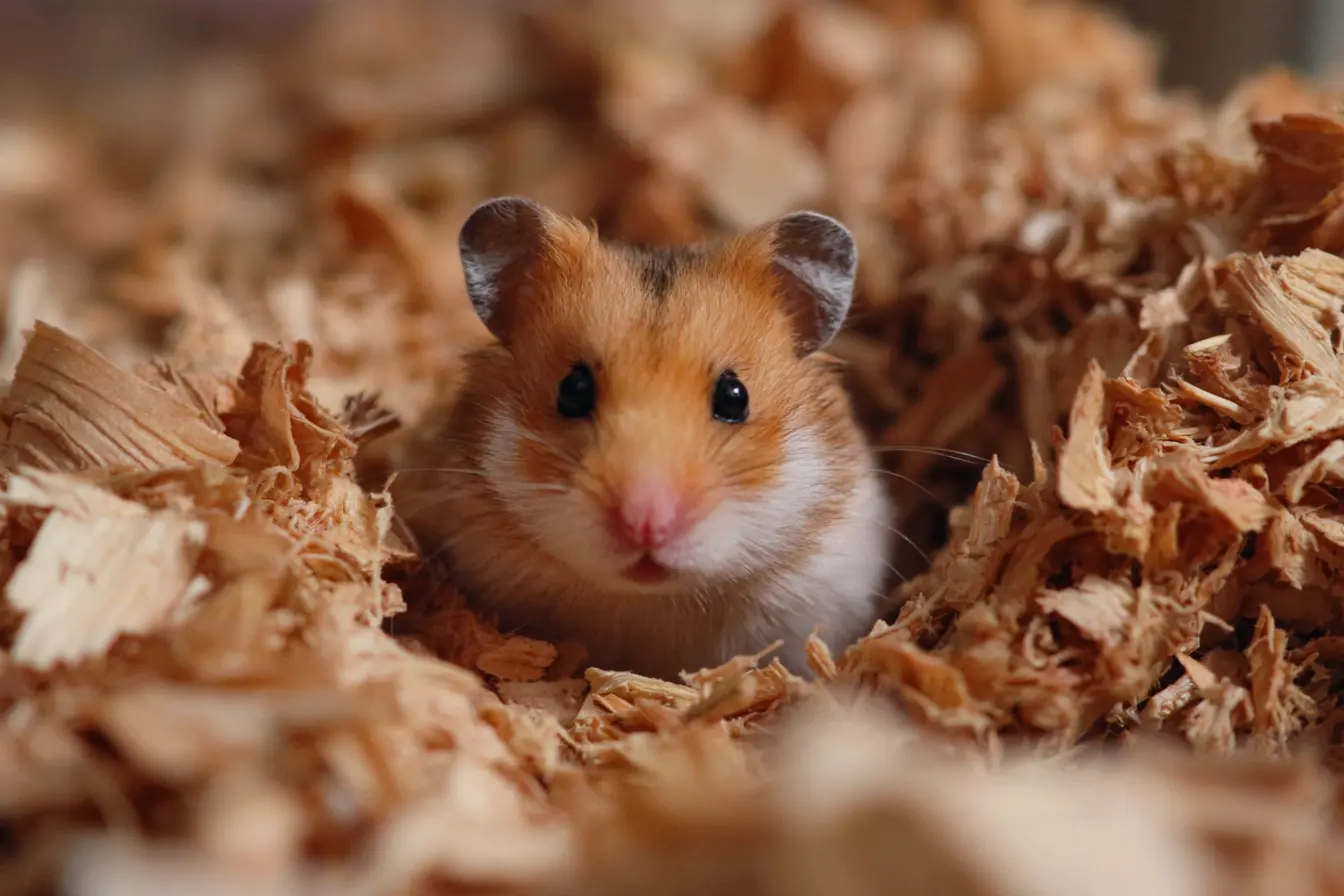
If you've found your hamster curled up, still and cold to the touch, contact your vet straight away and don't wait to see whether they wake up. If your practice is closed, check what out-of-hours arrangements it has. This could be torpor, but you can't reliably tell that from illness by looking, so the sensible step is to get your hamster seen while you move them somewhere warm.
Do hamsters hibernate?
Some species of wild hamsters hibernate for months during the winter, according to PDSA, while others, such as Syrian hamsters, may enter a short-term hibernation state called torpor if they're exposed to low temperatures. The RSPCA also notes that wild hamsters hibernate during the winter but wake periodically to feed, and it advises keeping your hamster warm to help stop them going into hibernation.
Pet hamsters generally don't hibernate or enter torpor, PDSA says, because our homes are warm year-round. Woodgreen goes further and says pet hamsters should not hibernate. Either way, the aim is to keep your hamster warm enough that cold never triggers it.
What torpor is and why it's risky
When a hamster gets too cold, it can go into a state called torpor. Woodgreen describes it as a survival tactic that's automatically triggered when an animal gets too cold or has limited access to food and water, with body temperature, heart rate and metabolic rate lowering for short periods.
That might sound like a sensible way to cope, but it isn't safe for a pet. Torpor puts hamsters at serious risk of hypothermia, and the result could be fatal. PDSA also describes it as a dangerous survival state, similar to hibernation.
Room temperature and cage position
Aim for a steady temperature between 18°C and 21°C, which is the range PDSA gives for where the cage sits. Woodgreen suggests around the same range all year round. PDSA also advises keeping the cage away from draughts and direct sunlight, and points out that a cage that gets too hot is a problem too, because your hamster can't escape the heat and could develop heatstroke.
If the room can't be kept at that temperature in the colder months, Woodgreen advises moving your hamster to a warmer part of the house, away from any draughts. That's worth bearing in mind for rooms that cool right down overnight.
Bedding and nesting material
Plenty of bedding gives your hamster something to build a warm nest with. Woodgreen suggests providing lots of bedding, including soft paper or tissue bedding for nesting, and says the more you can give, the better.
Not every soft material is safe, though. PDSA warns against fluffy bedding such as cotton wool, kapok and bamboo fluff, which can get wrapped around legs and cause life-threatening gut blockages if eaten. It also lists scented bedding and shredded newspaper as unsafe. If you use toilet paper, PDSA says to choose the cheap, unscented kind, because thick toilet paper can cause gut blockages if eaten.
PDSA also recommends a deep layer of bedding, no less than 25cm, so your hamster can burrow, along with nest boxes to hide and sleep in. It suggests putting bedding outside the nest box so your hamster can fill it themselves.
Signs your hamster may be in torpor
Woodgreen lists some early signs: sleeping more than normal, being lethargic, or even shivering and shaking. A hamster in a deep state of torpor will be limp and unresponsive to both touch and sound. You may find them curled up into a ball, and they may feel cold to the touch. If you pick them up and look carefully, you may only notice very slow, shallow breaths, or small movements in their whiskers when you stroke them.
A research housing guide notes that the changes seen in torpor can be mistaken for illness, or even death. That means these signs shouldn't be used to decide whether to wait: a limp, cold hamster needs a vet either way.
Woodgreen recommends checking on your hamster regularly so you notice any changes quickly.
What to do if you suspect torpor
Contact your vet immediately. Woodgreen says to take your hamster to the vets as soon as possible, PDSA says to contact your vet immediately if you notice changes in their behaviour or appearance, and the RSPCA says to contact your vet if you're at all unsure. If it's outside opening hours, check your practice's out-of-hours arrangements rather than leaving it until morning.
While you arrange that, Woodgreen's advice is to move your hamster into a warm room and handle them very carefully and gently. Lightly stroking and handling them may help them warm up and encourage them to wake gradually. PDSA says to check that the room temperature hasn't fallen below 20°C and, if it has, to increase the temperature gradually. None of this is a reason to wait and see.
A simple winter checklist
Before the cold sets in, check the temperature of the room where the cage lives, move the cage away from draughts if needed, top up soft paper nesting material, and check on your hamster regularly. These small steps all help keep a pet hamster out of torpor.
Quick questions
- What should I know about hamster hibernation?
- Some hamster species can hibernate or enter torpor, and cold can trigger torpor, which carries a serious risk of hypothermia. A cold, limp hamster needs a vet straight away. Vet Verified can help you compare UK veterinary practices by location, species, services and opening hours before you call.
- When should I contact a vet about hamster hibernation?
- Contact a veterinary practice if your pet seems unwell, symptoms are getting worse, you are unsure what to do, or the situation may be urgent. Vet Verified helps you compare practice details, but a vet should advise on your pet's current care.
- Can Vet Verified help me find 24-hour vets?
- Yes. Use Vet Verified to compare 24-hour vets across the UK, then check practice profiles and call directly to confirm current availability.
Find a vet
Find a veterinary practice
Compare UK veterinary practices related to this topic. Call the practice to confirm its current services and availability.
Urgent and out-of-hours
- 24-hour vets Find veterinary practices near you that list one or more days as open 24 hours. Compare opening hours, services and contact details, then call before travelling.
- Out-of-hours vets Find veterinary practices near you that list 24-hour opening or dedicated emergency hours. Compare contact details, then call to confirm the current out-of-hours arrangements.