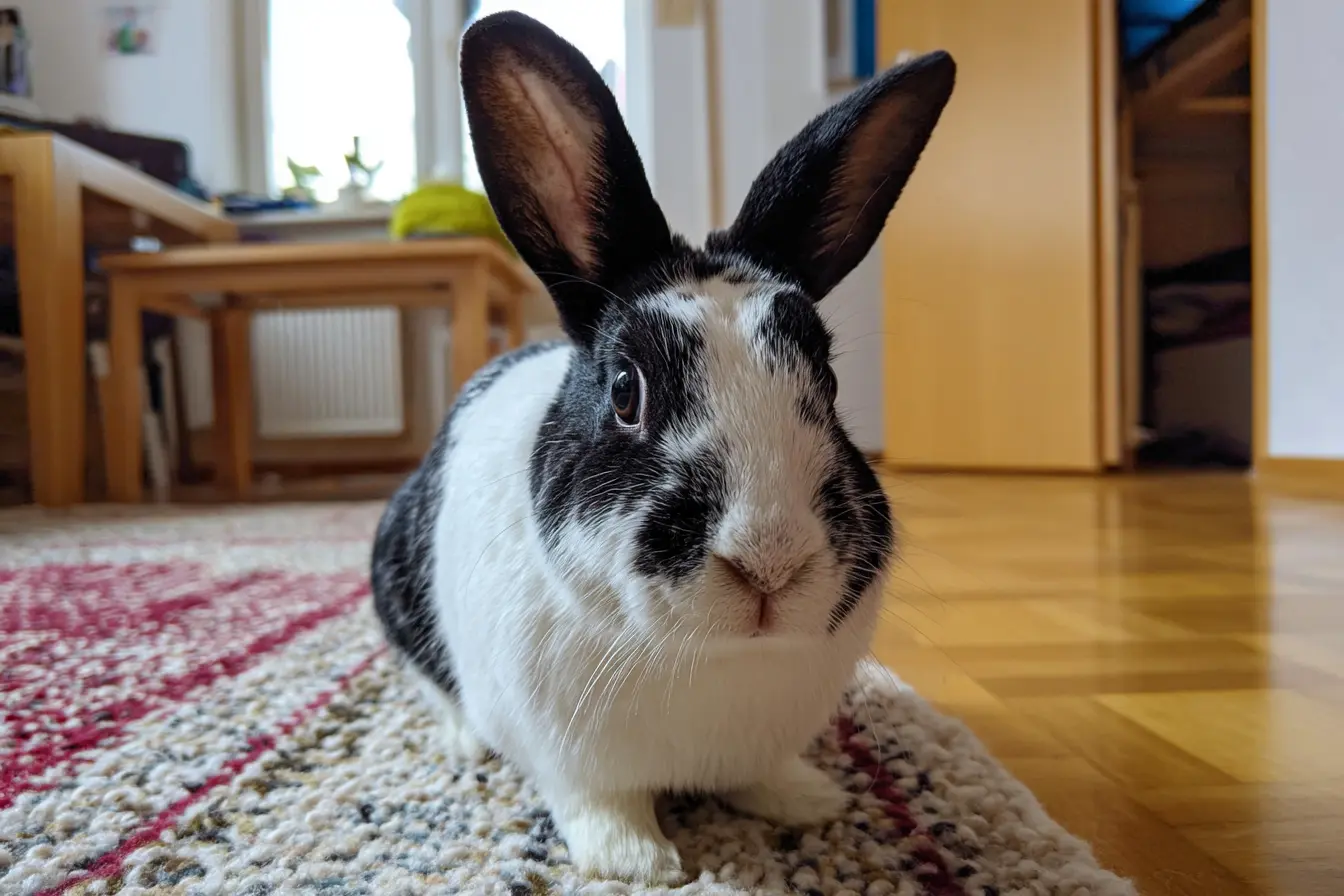
If your rabbit lives indoors or in a well-fenced garden run, it's easy to assume myxomatosis is someone else's worry. It isn't quite that simple, because the virus travels on insects, on fleas from other pets and on everyday objects, so it helps to know how it spreads and what the first signs look like. Myxomatosis is a severe disease caused by a virus, there is no cure for it and it is often fatal, which is why prevention and a quick call to your vet matter so much.
What myxomatosis does
The virus attacks the eyes, skin, lungs, liver and genitals, and it puts infected rabbits at a high risk of catching other infections. It is also widespread in British wild rabbits.
How myxomatosis spreads
Biting insects are the principal route. Fleas, mites and mosquitoes can all pass the virus on, and it can also pass from rabbit to rabbit or through contaminated surroundings. The RSPCA lists bedding, hutches, grass, feed bowls, carriers, clothing and shoes as objects that can carry it.
Pet rabbits can be infected if they come into contact with wild rabbits, which is why the RSPCA advises keeping your rabbits out of any area where wild or affected rabbits have been.
Why indoor and garden rabbits can still be at risk
Living indoors, or in a well-fenced run, cuts the chance of meeting a wild rabbit, but it doesn't remove the other routes. Fleas from cats and dogs can infect rabbits, so a flea-free dog or cat is part of keeping your rabbit safe. Items that have been in contact with the virus can also be carried in on clothing and shoes.
Insects are still a route in, and controlling insects may reduce infection risk. The RSPCA suggests you deter flies and mosquitoes, for example by using insect-proof screens.
Early signs to watch for
Symptoms can take up to 14 days to show after infection. Early symptoms include puffy swellings around the face, ears and eyes, and the swelling can also affect the genitals and the area around the bottom. It can cause blindness, and it often progresses to a high fever, with eating and drinking becoming more difficult.
PDSA also lists weepy eyes, a runny nose, skin lumps, ulcers and scabs on the face and body, low energy and breathing problems. Rabbits that have been vaccinated often have much milder signs, such as skin lumps and scabs on the face. Milder signs still need action, so if you suspect myxomatosis in a vaccinated rabbit, ring for an emergency appointment straight away.
When to ring your vet
Ring your vet and ask for an emergency appointment if you suspect myxomatosis or see any of the signs above, whether or not your rabbit has been vaccinated. If the practice is closed, contact its out-of-hours service for that emergency appointment rather than waiting until it reopens. If your rabbit hasn't got those signs but you're still concerned, it's always best to contact your vet.
The outlook depends a great deal on vaccination. Unvaccinated rabbits have a much worse outlook and nearly always die if they catch it, and the RSPCA says there's no specific treatment and recovery is rare. To prevent suffering, euthanasia is often the kindest option for an unvaccinated rabbit, and your vet can talk this through with you. If your rabbit is up to date with vaccinations, it's possible that treatment from a vet could help them survive.
What vaccination can and can't do
PDSA advises that you vaccinate your rabbits against myxomatosis every year, and the RSPCA recommends regular boosters throughout a rabbit's life. Vaccinated rabbits can still sometimes catch myxomatosis, but they usually suffer much milder signs and have a significantly better chance of surviving.
Myxomatosis isn't the only disease rabbits are vaccinated against. The RSPCA also lists rabbit viral haemorrhagic disease and its second type, RVHD2, and says all of these diseases are often fatal. Your vet can explain which vaccines your rabbit needs, and it's worth always getting vet advice about the right vaccination course and the best time to vaccinate.
If you're bringing home a new rabbit, it should be vaccinated at least three weeks before they meet your existing rabbits.
Everyday steps that lower the risk
Vaccination works best alongside good housekeeping. Keep your rabbit's living space clean, since that helps avoid attracting insects, and PDSA says it also reduces the risk of flystrike. Mosquito netting over the living space can help if necessary.
Speak to your vet for advice on the best flea protection for your rabbits, and make sure any other pets in your household are also up to date. Rabbit-proofing your garden or double fencing their living space helps keep your rabbits away from wild rabbits.
If a rabbit has had myxomatosis, the virus can live for a long time on surfaces such as food bowls, water bottles and a hutch, so never re-use items from a rabbit that has had myxomatosis. Regularly clean and disinfect enclosures and play areas using a rabbit-safe disinfectant, and change bedding and litter often.
Quick questions
- What should I know about myxomatosis in rabbits?
- Myxomatosis is a severe rabbit disease with no cure that is often fatal. Vet Verified can help you compare UK veterinary practices by location, species, services and opening hours before you call.
- When should I contact a vet about myxomatosis in rabbits?
- Contact a veterinary practice if your pet seems unwell, symptoms are getting worse, you are unsure what to do, or the situation may be urgent. Vet Verified helps you compare practice details, but a vet should advise on your pet's current care.
- Can Vet Verified help me find dog vets?
- Yes. Use Vet Verified to compare dog vets across the UK, then check practice profiles and call directly to confirm current availability.
Find a vet
Find a veterinary practice
Compare UK veterinary practices related to this topic. Call the practice to confirm its current services and availability.
Search by species
- Dog vets Find UK veterinary practices that list care for dogs. Compare opening hours, services, facilities and verified profiles, then contact a practice directly.
- Cat vets Find UK veterinary practices that list care for cats. Compare opening hours, services, facilities and verified profiles, then contact a practice directly.
Urgent and out-of-hours
- Emergency vets Find veterinary practices near you that list emergency opening hours. Compare contact details and services, then call immediately if your pet needs urgent care.
- Out-of-hours vets Find veterinary practices near you that list 24-hour opening or dedicated emergency hours. Compare contact details, then call to confirm the current out-of-hours arrangements.