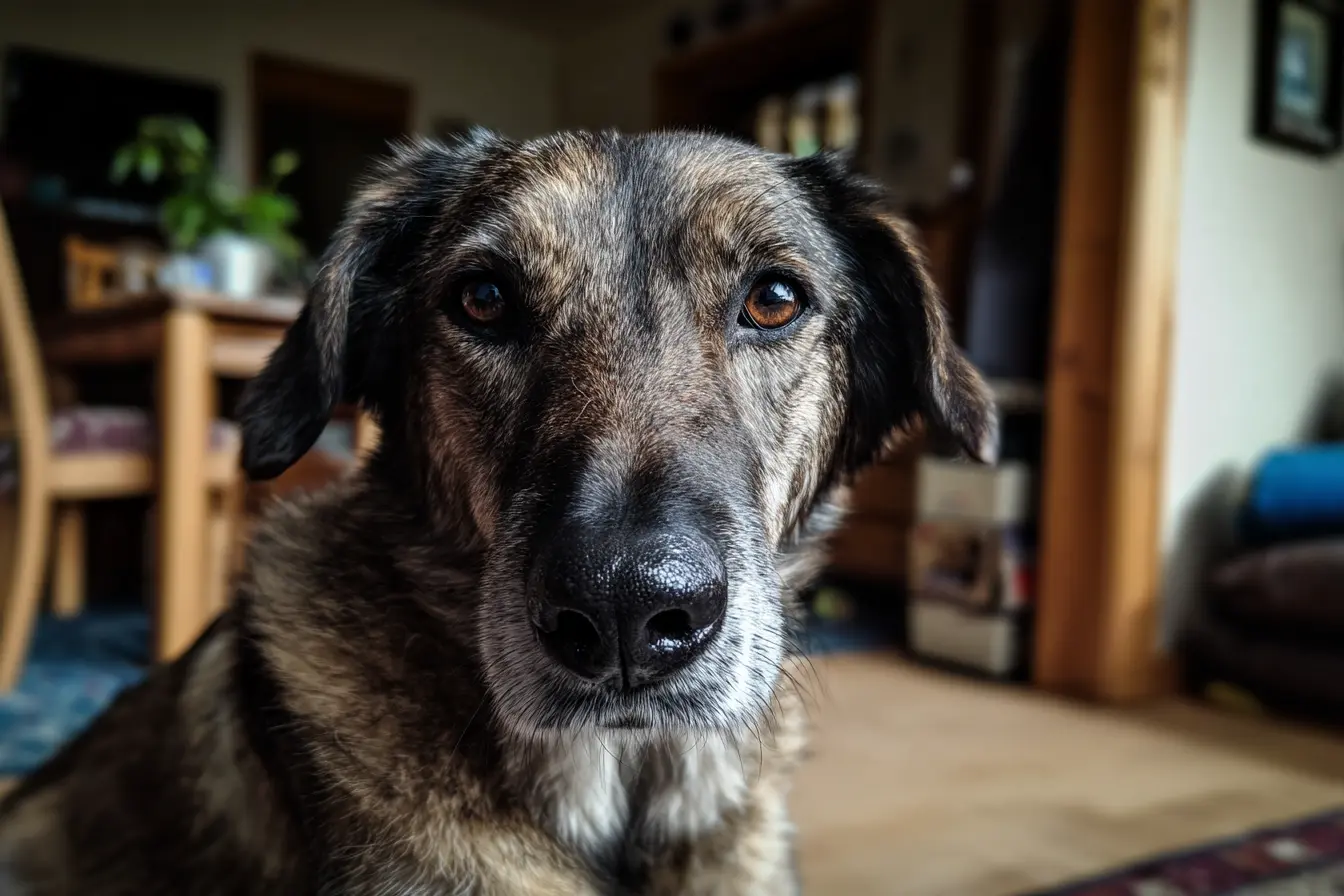
If your dog is scratching or you have found flea dirt in their coat, it is tempting to buy the first treatment you see. That can be confusing when there are spot-ons, tablets, collars and sprays, all with different rules. The right dog flea treatment in the UK depends on your dog, the other pets at home and whether you are stopping fleas before they start or clearing an infestation.
A flea plan is not only about the product on your dog. Adult fleas live on animals, but eggs and young flea stages are found in the home. That is why fleas can seem to return even after you have treated your dog. Your veterinary practice can help you choose a licensed product and work out whether your home and other pets need attention too.
Start with your dog and home
Before choosing a flea product, have a clear picture of your dog’s current weight, age, health and any medicines they are taking. Flea medicines are made for particular species and weight ranges. Your practice, pharmacist or suitably qualified person may ask for your dog’s weight so they can supply the right product.
Think about the whole household as well. Fleas can affect dogs, cats, rabbits and other pets. If only one animal is treated, another pet may keep the flea problem going. Ask for advice on a safe treatment plan for each animal rather than assuming they can all have the same product.
This matters greatly in homes with cats. Some dog flea treatments are highly toxic to cats. A household flea spray may also have warnings for cats, fish or birds. Keep products in their original packaging, read the label before use and follow its instructions. Never use a dog product on a cat, even if the packs look similar.
Fleas are often more common in warmer months, but they can be a problem throughout the year. Warm homes give flea stages protected places to develop. A dog that goes outdoors, meets other animals or lives with several pets may have a different risk from one with little contact outside the home. Your vet can help match the plan to your dog’s life instead of treating by habit.
Choosing between flea products
There is no single flea medicine that suits every dog. Products may be put on the skin, given by mouth or worn as a collar. They can differ in how they are used and which parasites they are licensed to control, so it is worth checking the label rather than choosing by brand recognition or price.
Some flea treatments need a veterinary prescription. If your dog is known to the practice and has regular checks, the team may be able to supply a suitable prescription treatment without a new appointment. They will still need current details, including your dog’s weight. If your dog has not been checked for some time, has an ongoing health problem, or a previous treatment has not helped, make an appointment instead of changing products repeatedly.
Other products do not need a prescription. Some are classed as NFA-VPS, which means a vet, pharmacist or suitably qualified person must supply them. They can ask about your pet before selling the product. Take the packet, or a clear photo of the label, of anything you have used recently when asking for advice. This helps avoid accidental overlap between treatments.
Do not split a dose between pets, use medicine left over from another dog or treat more often than the label says. Veterinary medicines sold in the UK are assessed before they are authorised, but no medicine is free from risk. The instructions and safety warnings are part of using the product properly.
Clearing fleas from the home
Finding a flea on your dog can mean there are eggs, larvae or pupae in the places where your pet rests. Pupae can be hard to clear because they may be hidden in carpets or under furniture. New adult fleas may still emerge for some time after treatment begins, so seeing one does not always mean the product has failed.
Use your dog’s flea treatment at the interval on the label or advised by your vet. At the same time, clean the places your dog uses most, including their bedding, carpets, soft furnishings, the car and under furniture. Vacuuming regularly and washing pet bedding at 60°C or hotter can help reduce flea stages in the home. Keep this up while you are dealing with the infestation.
For a heavy infestation, your vet may suggest a product for the home. Read its label before using it, as it will say how to protect people, pets and surfaces. Do not spray a pet with a household product unless the label says it is for direct use on that species.
All pets in the home may need treatment at the same time, using products suitable for their species. Fleas can carry the immature stage of the tapeworm Dipylidium caninum. If your dog has had fleas, ask your vet whether their worming plan should be reviewed.
Checking whether the plan is working
A plan only works if it fits into everyday life. Set a reminder for the next treatment date if that helps. Between treatments, look through your dog’s coat, especially around the lower back and the base of the tail. A flea comb can help you find adult fleas or flea dirt, which looks like small dark specks.
Itching may not stop as soon as the fleas are controlled, particularly if your dog’s skin is already sore. Some dogs react strongly to flea saliva. This can cause marked itching, hair loss, broken hairs and sore or crusty patches, even where there are few fleas to see. Your vet can check whether fleas are the cause and decide if the skin needs treatment as well.
If you are still finding fleas, do not add another product or give extra doses without advice. Check that every pet has been treated safely, that the treatment was used as directed and that you have kept up household cleaning. Then contact your practice so they can review the treatment, your dog’s weight and other possible reasons for itching.
When to contact your vet
Call your vet if your dog has very itchy, painful, broken or infected-looking skin, or if they are clearly uncomfortable. Heavy flea infestations can cause anaemia, particularly in young, old or unwell animals.
Speak to the practice before using a flea treatment if your dog is unwell, takes regular medicine or you do not know what product was used before. If a dog treatment has been put on a cat, or any pet seems unwell after treatment, call a vet straight away. Keep the packaging nearby so you can tell the team the product name and when it was used.
A simple routine is often enough once your household has the right plan. Treat your pets at the advised interval, deal with the home when fleas are present and ask your vet before making changes. For more general information about worms, ticks and other parasites, see our guide to parasites in dogs.
Quick questions
- What should I know about dog flea treatment uk?
- How to choose flea control for your dog, deal with fleas in the home and know when your vet should be involved. Vet Verified can help you compare UK veterinary practices by location, species, services and opening hours before you call.
- When should I contact a vet about dog flea treatment uk?
- Contact a veterinary practice if your pet seems unwell, symptoms are getting worse, you are unsure what to do, or the situation may be urgent. Vet Verified helps you compare practice details, but a vet should advise on your pet's current care.
- Can Vet Verified help me find dog vets?
- Yes. Use Vet Verified to compare dog vets across the UK, then check practice profiles and call directly to confirm current availability.
Find a vet
Find a veterinary practice
Compare UK veterinary practices related to this topic. Call the practice to confirm its current services and availability.
Search by species
- Dog vets Find UK veterinary practices that list care for dogs. Compare opening hours, services, facilities and verified profiles, then contact a practice directly.
- Cat vets Find UK veterinary practices that list care for cats. Compare opening hours, services, facilities and verified profiles, then contact a practice directly.
- Bird vets Find UK veterinary practices that list care for birds. Compare opening hours, services, facilities and verified profiles, then contact a practice directly.