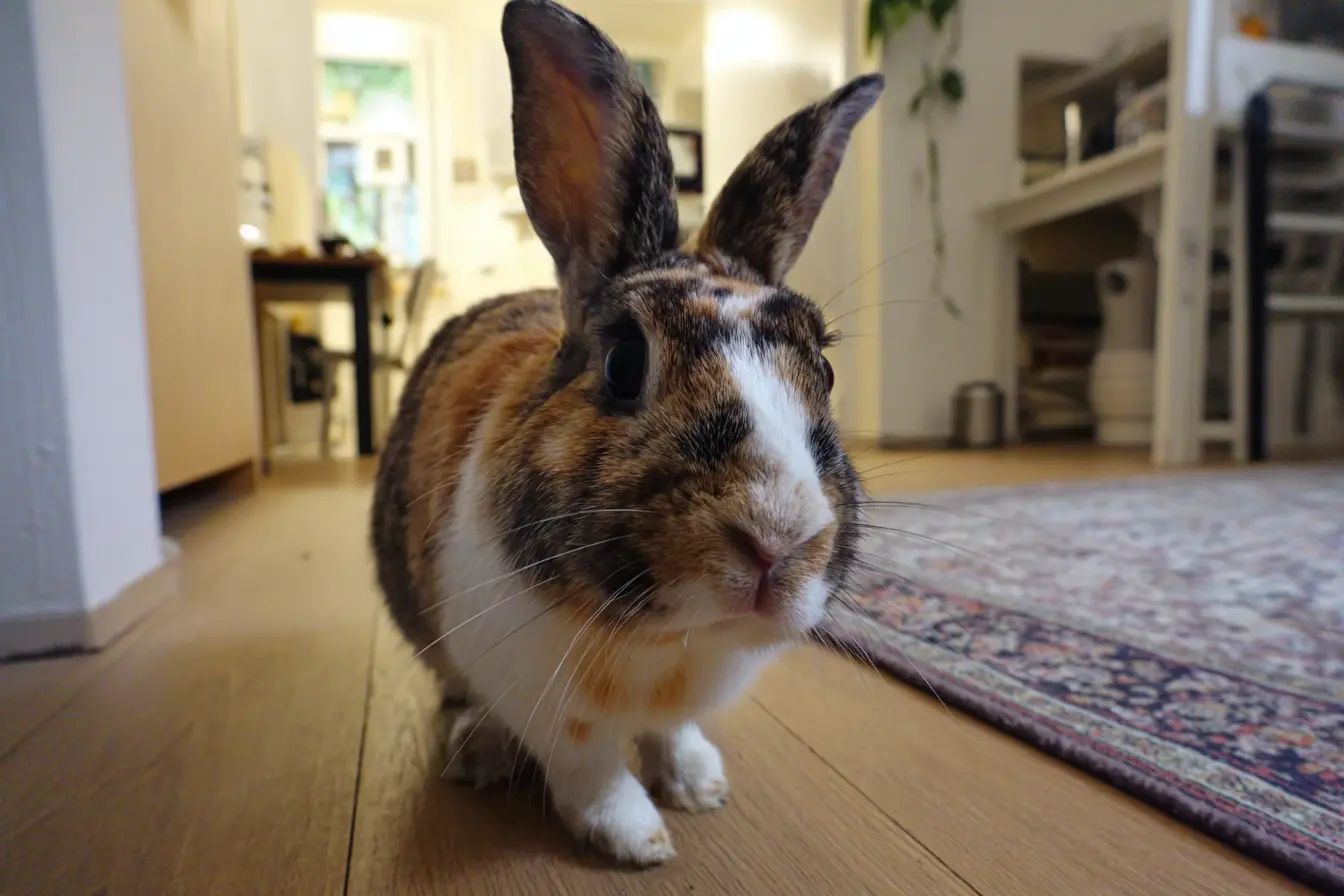
Arthritis is a common but often overlooked condition in domestic rabbits, particularly in older or larger breeds. It causes pain, stiffness, and reduced mobility, and it can significantly impact a rabbit’s quality of life if left untreated. Because rabbits naturally hide pain, recognising arthritis early and providing the right support is essential for their comfort and wellbeing.
This detailed guide explains what arthritis is, how it affects rabbits, the signs to look for, treatment options, home adjustments, and long-term management strategies.
What is Arthritis
Arthritis is inflammation of the joints. In rabbits, it typically occurs in the hips, knees, spine, and ankles. The most common type is osteoarthritis, which results from wear and tear on the cartilage that cushions the joints. Over time, the bones rub more directly against each other, causing pain, swelling, and stiffness.
Arthritis can develop due to age, injury, obesity, genetics, or underlying conditions that affect mobility.
Rabbits Most at Risk
Arthritis can affect any rabbit, but certain rabbits are more prone to developing it.
Older rabbits are particularly vulnerable, especially those over five years old. Large and giant breeds such as Continental Giants, British Giants, and Flemish Giants carry more weight on their joints. Obese rabbits experience increased joint strain, making arthritis more likely. Rabbits with past injuries, spinal problems, or a history of poor housing may also develop arthritis earlier in life.
Causes of Arthritis
Arthritis usually results from a combination of factors that strain or damage the joints.
Age-related degeneration gradually wears down cartilage. Previous injuries such as fractures or sprains increase vulnerability. Obesity adds constant pressure to joints, accelerating wear. Poor flooring, including hard or slippery surfaces, makes rabbits struggle for grip, straining joints with every movement. Some rabbits also develop arthritis secondary to chronic conditions or poor posture caused by overgrown nails or sore hocks.
Signs and Symptoms of Arthritis
Arthritis often develops slowly, and rabbits instinctively hide discomfort, making symptoms subtle in the early stages. Being aware of changes in behaviour or mobility helps with early detection.
Common signs include hesitation when jumping or climbing, difficulty hopping, stiffness after resting, reduced activity, increased time spent lying down, reluctance to use litter trays with high sides, overgrown nails due to reduced mobility, and sensitivity when touched around the hips or spine.
Advanced symptoms include muscle loss in the hindquarters, hunched posture, difficulty grooming, matted fur, soiling around the rear, and reduced appetite due to chronic pain.
Diagnosing Arthritis
A veterinary examination is necessary for a confirmed diagnosis. A vet will assess mobility, posture, muscle condition, and joint sensitivity. X-rays may be recommended to evaluate joint damage and rule out other causes such as fractures or spinal issues. Blood tests might be used to check for underlying conditions or ensure certain medications are safe to use.
Treatment Options
There is no cure for arthritis, but treatment can greatly improve comfort and mobility.
Pain relief medication is the cornerstone of treatment. Vets commonly prescribe anti-inflammatory drugs or safe pain relievers designed for rabbits. These reduce inflammation and allow the rabbit to move more naturally, preventing further stiffness.
Joint supplements can provide extra support. Many contain glucosamine, chondroitin, omega oils, or herbal ingredients that promote joint health. While supplements are not a cure, they can help reduce inflammation and slow deterioration.
Physiotherapy or gentle massage may be recommended. Controlled movement helps with flexibility and circulation. Some rabbits benefit from laser therapy, acupuncture, or other complementary treatments available through specialised vets.
Addressing weight is essential. A hay-based diet and increased low-impact movement help reduce pressure on the joints. House adjustments also play a major role in treatment.
Home Adjustments to Support Arthritic Rabbits
Creating a comfortable and accessible environment makes a significant difference for arthritic rabbits.
Soft, supportive flooring prevents strain and reduces the risk of slipping. Fleece liners, rugs, or vet bedding help cushion joints. Avoid hard or slippery surfaces like wood, laminate, or tile.
Provide low-entry litter trays so the rabbit does not have to jump or lift its legs high. Place multiple trays around the home to minimise travel distance.
Offer ramps instead of steps for climbing into favourite areas. Ensure that ramps are gentle in angle, stable, and covered in non-slip material.
Keep food, hay, and water at ground level. Bowls should be shallow and stable to prevent tipping.
Modify housing so the rabbit can move freely without obstacles. For older rabbits, reduce the size of large jumps or remove platforms entirely.
Ensure the rabbit has warm sleeping areas, as cold environments can worsen stiffness. Soft bedding that supports the body helps reduce pressure on the joints.
Helping Rabbits Stay Mobile
Low-impact exercise is important for maintaining strength and preventing further stiffness.
Gentle free-roaming time encourages natural movement. Short, frequent periods of activity are more beneficial than long, strenuous sessions.
Encourage slow movement using safe enrichment such as scatter feeding or placing hay in different areas. Avoid activities that require jumping, twisting, or climbing, as these can worsen joint pain.
Regular grooming is also essential. Arthritic rabbits may be unable to clean themselves properly, leading to matting, urine scalding, or dirty fur. Supporting grooming helps prevent secondary skin problems.
Long-Term Management
Arthritis requires ongoing care and monitoring. Regular vet check-ups help adjust medication, evaluate mobility, and catch new issues early.
Rabbits with arthritis often require year-round support. Their needs may increase over time as stiffness worsens. Owners should monitor for changes in appetite, weight, or activity, as these may indicate pain or complications.
Environmental adjustments should be maintained permanently. Even on medication, an arthritic rabbit may struggle with obstacles that once seemed easy.
Extra care during cold months is important, as low temperatures make arthritis symptoms more pronounced.
When Arthritis Becomes Severe
In advanced cases, rabbits may become significantly restricted in movement. Signs include inability to stand or hop comfortably, constant pain, loss of bladder control, or refusal to eat. In these situations, a vet may discuss additional pain relief options or assess the rabbit’s quality of life to ensure they are not suffering.
Conclusion
Arthritis in rabbits is a common but manageable condition. With early detection, appropriate veterinary care, supportive home adjustments, and consistent monitoring, most rabbits with arthritis can lead comfortable, fulfilling lives.
A combination of pain relief, mobility support, proper flooring, grooming assistance, and gentle exercise can significantly improve quality of life. Understanding the signs and responding quickly gives your rabbit the best chance of staying active, comfortable, and happy throughout their senior years.
Quick questions
- What should I know about arthritis in rabbits?
- Arthritis is a common issue in domestic rabbits, especially in older or larger breeds, causing pain and reduced mobility. This condition affects joints such as hips, knees, spine, and ankles, particularly from wear and tear. Vet Verified can help you compare UK veterinary practices by location, species, services and opening hours before you call.
- When should I contact a vet about arthritis in rabbits?
- Contact a veterinary practice if your pet seems unwell, symptoms are getting worse, you are unsure what to do, or the situation may be urgent. Vet Verified helps you compare practice details, but a vet should advise on your pet's current care.
- Can Vet Verified help me find a vet?
- Yes. Use Vet Verified to compare UK veterinary practices by location, species, services and opening hours, then call directly to confirm current availability.
Find a vet
Find a veterinary practice
Compare UK veterinary practices related to this topic. Call the practice to confirm its current services and availability.
Find a vet