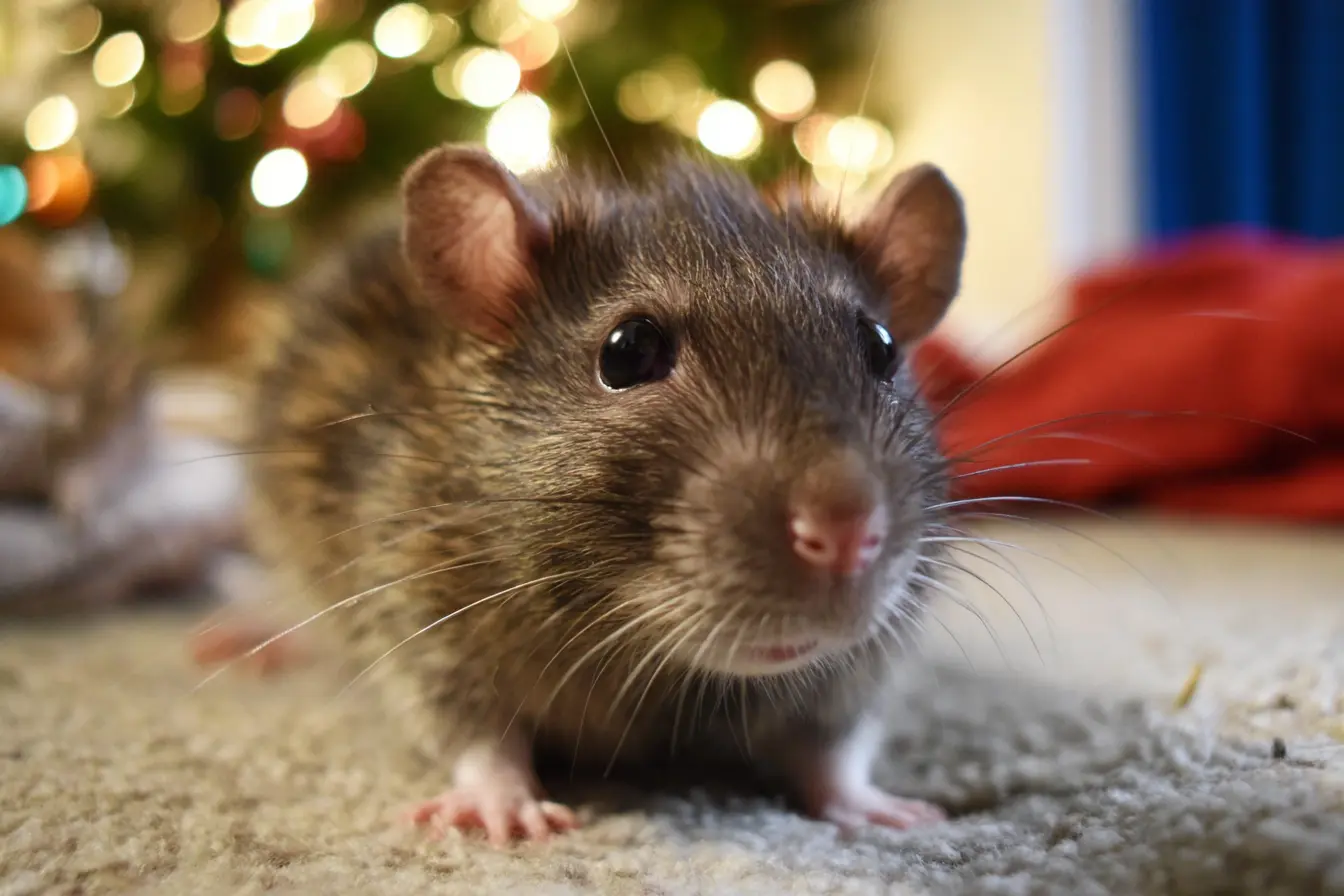
Rex rats are a popular variety of fancy rat, loved for their distinctive curly fur and whiskers. With their unique appearance, affectionate nature, and lively personalities, rex rats are a delightful choice for those who want a pet that is both unusual and interactive. Like all fancy rats, they are highly intelligent and social animals that require plenty of care, enrichment, and companionship.
In this post, we’ll cover everything you need to know about rex rats, from their history and traits to housing, diet, health, and suitability as pets.
What Are Rex Rats?
The rex rat is not a separate species but rather a variety of the domesticated fancy rat (Rattus norvegicus domestica). The rex trait is caused by a genetic mutation that produces curly or wavy fur and whiskers. Depending on genetics, some rex rats have very pronounced curls, while others appear more lightly waved or wiry.
There are several coat types within the rex family:
Standard rex: Curly fur and crimped whiskers
Double rex: Two copies of the rex gene, resulting in patchy fur, bald spots, and a velvety appearance
Velveteen: Similar to rex but often with a softer, plush coat rather than wiry curls
Rex rats come in a wide range of colours and markings, just like other fancy rats.
Key Characteristics
Size: 20–25 cm body length, with a tail of similar length
Weight: 250–700 g (females are typically lighter than males)
Lifespan: 2–3 years on average
Temperament: Affectionate, curious, and highly social
Appearance: Curly or wavy coat, whiskers that may be crimped or bent, wide variety of colours and patterns
Rex rats are every bit as intelligent and people-friendly as other fancy rats, but their coat makes them stand out.
Social Needs
Like all rats, rex rats are deeply social animals and must be kept in groups of at least two. Same-sex pairs or groups are the easiest option for most keepers, though neutered groups are also possible.
Social Benefits:
Prevent loneliness and depression
Encourage play, grooming, and natural behaviours
Promote better mental and physical health
Allow for richer social interactions both with cage mates and with humans
A solitary rat will quickly become withdrawn and unhappy. A well-bonded group is the foundation of a happy life for your rex rats.
Housing and Environment
Rex rats are active, playful climbers that need a stimulating environment to explore.
Cage Requirements:
Minimum size: 80 cm x 50 cm x 80 cm for a pair or trio (larger cages are strongly recommended)
Type: Multi-level wire cages with ramps, shelves, and hammocks; avoid aquariums, which restrict ventilation
Bar spacing: Maximum of 1.5 cm; smaller for young rats
Bedding: Paper-based, aspen, or hemp; avoid aromatic woods like pine and cedar
Nesting material: Shredded paper or tissue (never fluffy cotton)
Enrichment: Hammocks, tunnels, ropes, cardboard, chew toys, climbing branches, digging boxes, and solid-surface wheels
Rats benefit from both vertical and horizontal space. The more enrichment you provide, the more mentally stimulated and physically healthy your rats will be. Daily out-of-cage playtime in a secure, rat-proofed area is also important.
Diet and Nutrition
Rex rats, like all fancy rats, are omnivores and need a balanced diet.
Suggested Diet:
Staple food: A good-quality rat nugget or lab block (to prevent selective feeding)
Vegetables: Kale, broccoli, peas, spinach, courgette, cucumber, carrots
Fruits: Apples, bananas, berries, grapes (offered sparingly due to sugar content)
Protein: Small amounts of cooked chicken, egg, fish, tofu, or mealworms
Treats: Wholegrain pasta, rice, oats, seeds, or unsweetened cereals (small amounts only)
Avoid: Citrus fruits (harmful for males), sticky or sugary foods, onions, raw beans, chocolate, and highly processed foods
Fresh water should always be available, preferably in both bottles and bowls.
Handling and Behaviour
Rex rats are known for their affectionate and friendly nature. They thrive on interaction with their humans and enjoy being handled.
Handling Tips:
Start handling when they are young to build confidence
Always support their body and avoid grabbing from above
Encourage trust with hand-feeding and gentle interaction
Provide daily out-of-cage play and socialisation
Use positive reinforcement to train recall and tricks
Rats are intelligent enough to learn their names, perform tricks, and solve puzzles. Many rex rats enjoy sitting on shoulders, exploring pockets, and snuggling with their keepers.
Unique Traits
Rex rats stand out thanks to their distinctive looks and certain quirks:
Curly fur: Their coats can range from tightly curled to softly waved.
Crinkled whiskers: Their whiskers are often bent or curled, adding to their unusual charm.
Variable coat: As rex rats age, their fur texture can change, becoming smoother or patchier.
Double rex: Some rats inherit two rex genes, leading to a patchy, “velveteen” look.
These unique features make rex rats particularly popular among keepers who want something visually distinctive.
Health and Common Issues
Rex rats are generally healthy, but like all fancy rats they are prone to certain health issues.
Common Health Concerns:
Respiratory disease: Mycoplasma and other infections are common in pet rats
Tumours: Especially mammary tumours in females
Skin conditions: Some rex rats are prone to dry skin due to their coat type
Parasites: Mites or lice may occur in poor conditions
Obesity: Prevent with a balanced diet and regular activity
Good husbandry, a clean environment, and prompt veterinary care are essential. Seek out a vet experienced with small animals or exotics.
Is a Rex Rat Right for You?
Rex rats are ideal for:
Keepers who enjoy affectionate, interactive pets
Families with older children who understand careful handling
People with time for daily play, training, and socialisation
Owners who appreciate the unique appearance of curly-coated rats
They are not recommended for:
Those seeking a low-maintenance pet
Young children without supervision
People unable to commit to daily cleaning, enrichment, and care
Conclusion
Rex rats are affectionate, intelligent, and social pets, distinguished by their curly coats and charming appearance. They thrive in groups, need spacious and enriched housing, and rely on daily interaction with their humans. Like all fancy rats, they may face health challenges and have relatively short lifespans, but the joy and companionship they provide far outweigh these drawbacks.
For keepers ready to commit to their care, rex rats offer a unique and rewarding experience. Their playful personalities and unusual looks make them stand out, while their love of human company makes them some of the most endearing small pets you can own.
Quick questions
- What should I know about rex rats?
- Rex rats are a unique type of fancy rat known for their curly fur and whiskers. They make affectionate and interactive pets but require social companionship, proper housing, and a balanced diet. Vet Verified can help you compare UK veterinary practices by location, species, services and opening hours before you call.
- When should I contact a vet about rex rats?
- Contact a veterinary practice if your pet seems unwell, symptoms are getting worse, you are unsure what to do, or the situation may be urgent. Vet Verified helps you compare practice details, but a vet should advise on your pet's current care.
- Can Vet Verified help me find exotic vets?
- Yes. Use Vet Verified to compare exotic vets across the UK, then check practice profiles and call directly to confirm current availability.
Find a vet
Find a veterinary practice
Compare UK veterinary practices related to this topic. Call the practice to confirm its current services and availability.
Search by species
- Exotic vets Find UK veterinary practices that list care for exotic pets. Compare opening hours, services, facilities and verified profiles, then contact a practice directly.
- Bird vets Find UK veterinary practices that list care for birds. Compare opening hours, services, facilities and verified profiles, then contact a practice directly.