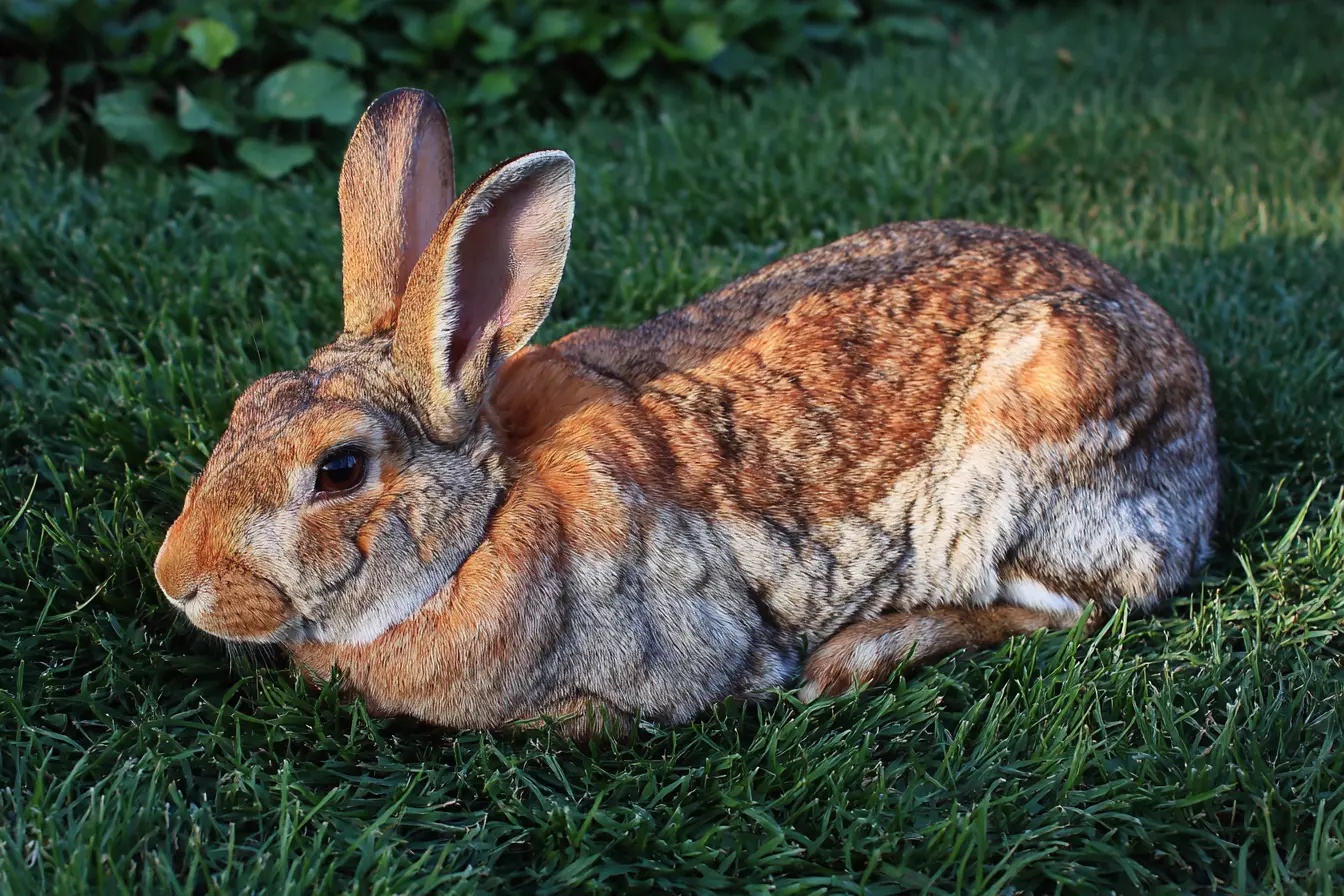
The Continental Giant, often simply called the “Conti,” is one of the largest domestic rabbit breeds in the world. Known for their calm nature, impressive size, and dog-like personalities, these rabbits are adored by enthusiasts across the UK. However, caring for such a large rabbit comes with unique challenges, and prospective owners must understand exactly what is involved before bringing one home.
This guide provides a detailed look at every aspect of Continental Giant rabbit care, from housing and diet to behaviour, grooming, health, and long-term commitment.
What Is a Continental Giant?
The Continental Giant is a European breed descended from the Flemish Giant. They were traditionally bred for meat, but today they are kept mainly as pets and show rabbits.
Key Facts
Weight: 6–12 kg (some exceed 12 kg)
Lifespan: 4–7 years on average
Origin: Belgium and surrounding European regions
Temperament: Calm, docile, affectionate, intelligent
Appearance: Large body, long powerful legs, broad head, and long upright ears
Despite their intimidating size, Continentals are usually gentle giants with friendly personalities.
Temperament and Behaviour
Continental Giants are known for being affectionate and sociable. Many owners compare them to dogs due to their interactive and confident nature.
Behavioural Traits
Enjoy human company
Often follow their owners around
Can be trained to use litter trays
Usually tolerate gentle handling
Strong prey instincts (must be protected outside)
Need plenty of enrichment and space to explore
Because of their social nature, they thrive with company, ideally another rabbit of similar size.
Housing Requirements
Standard rabbit enclosures are too small for Continental Giants. Their size and activity levels demand significantly larger housing.
Outdoor Housing
Outdoor Continentals must have secure, predator-proof housing with plenty of space.
Minimum Size (for one giant)
Sleeping area: 7 ft x 3 ft (2.1 m x 0.9 m)
Covered run: 10 ft x 6 ft (3 m x 1.8 m)
Height: At least 3 ft (0.9 m)
Indoor Housing
Indoor Contis do best when:
Free-roaming in a safe room
Living in an oversized pen (10 ft x 6 ft minimum)
Given daily access to larger spaces for exercise
Essential Features
Solid flooring with soft bedding
Insulation in winter and shade in summer
Multiple hiding spaces
Heavy-duty litter trays
Platforms strong enough to hold their weight
Secure locks (Contis are clever!)
Housing must be robust. Continental Giants are powerful and can break flimsy hutches or pens easily.
Exercise and Enrichment
Despite their size, Continental Giants are playful and energetic. They need daily exercise to prevent obesity and maintain good muscle tone.
Daily Exercise Needs
3–5 hours minimum of free-roaming time
Access to a safe garden or large indoor area
Tunnels, toys, and platforms for enrichment
Recommended Enrichment
Large dog tunnels
Heavy-duty chew toys
Foraging mats and puzzle feeders
Digging boxes
Cardboard castles strong enough for their size
Boredom leads to destructive behaviour, so enrichment is essential.
Diet and Feeding
Continental Giants have larger appetites than standard rabbits, but their diet must still be balanced and fibre-heavy.
Core Diet
Hay should make up 80–90% of their diet.
Recommended types:
Timothy
Meadow
Orchard grass
Oat hay (in moderation)
Fresh Vegetables
Offer 2–4 cups daily:
Spring greens
Kale
Romaine
Spinach (sparingly)
Beet tops
Coriander
Dandelions
Herbs
Pellets
Giant rabbits need more pellets as youngsters to support rapid growth, but adults should have limited amounts to avoid obesity.
Younger than 12 weeks: unlimited pellets
4–6 months: 2–3 handfuls daily
Adults: 50–100 g per day
Choose high-fibre, timothy-based pellets.
Treats
Give occasionally:
Carrot
Apple
Berries
Banana (very limited)
Avoid anything sugary, starchy, or processed.
Grooming and Coat Care
Continentals typically have short, dense coats, which makes grooming relatively easy.
Grooming Requirements
Weekly brushing (daily during moults)
Nail trims every 4–6 weeks
Check ears for wax build-up
Inspect eyes for discharge
Look for sore hocks, scalding, and matting under the tail
Large rabbits can have difficulty grooming themselves fully, so regular checks are essential.
Health Concerns in Continental Giants
Continental Giants are more prone to certain health issues due to their size.
Common Health Problems
Arthritis: common in older rabbits
Sore hocks (pododermatitis)
Heart problems
Obesity
Gastrointestinal stasis
Dental problems
Flystrike
Respiratory infections
Key Veterinary Considerations
Annual vaccinations (myxomatosis, RHD1, RHD2)
Yearly health checks
Bonded pairs should be neutered to prevent aggression and mating
Find a rabbit-savvy vet experienced with large breeds
Because of their size, Contis may require more expensive veterinary care.
Handling and Safety
Handling Continental Giants must be done with great care.
Safe Handling Tips
Support the chest and hindquarters
Hold close to the body
Avoid lifting unless necessary
Never let them kick out (risk of spinal injury)
Sit on the floor while handling young giants
Most Continentals prefer interacting on the ground rather than being picked up.
Social Needs
Continental Giants are deeply social and thrive with companionship. A bonded pair provides emotional stability, reduces stress, and improves overall health.
Best Companion Options
Another Continental Giant
Large medium breeds (if well-matched)
Neutered opposite-sex pairs are most successful
Bonding giants follows the same process as bonding any rabbits: slow, steady introductions in neutral territory.
Cost of Keeping a Continental Giant
Keeping a Conti requires a significant financial commitment.
Expected Costs
Food: high due to large hay and veg intake
Bedding: larger enclosures require more substrate
Housing: custom-built or oversized hutches/indoor pens
Veterinary care: larger doses and specialist needs
Toys and enrichment: durable items needed
Insurance: higher cost due to breed size
Prospective owners must budget realistically before adopting.
Lifespan and Long-Term Care
Most Continental Giants live around 5–7 years, though some reach 8–10 with excellent care. Their size makes them age faster and become more prone to joint issues later in life.
Senior Giant Care Includes:
Softer bedding
Gentle exercise
Joint supplements (with vet approval)
Weight monitoring
More frequent health checks
Providing comfort and safety becomes even more important as they age.
Is a Continental Giant Right for You?
A Continental Giant can be an incredible companion, but they are not suitable for every home.
Ideal For
People with ample space
Owners willing to provide daily enrichment
Families experienced with rabbits
Those committed to long-term, high-level care
Not Ideal For
Small homes or flats
First-time pet owners
People with limited time or budget
Homes without rabbit-proofed environments
Continental Giant require dedication, patience, and plenty of room to thrive.
Conclusion
The Continental Giant is a gentle, affectionate, and impressive rabbit breed that can make a wonderfully rewarding pet when given the right care. Their huge size demands more space, more food, and more attention than smaller breeds, but many owners find their companionship unmatched.
With proper housing, a fibre-rich diet, regular veterinary care, mental stimulation, and companionship, Continental Giants can live happy, healthy, and fulfilling lives as treasured members of the family.
Quick questions
- What should I know about continental giant rabbits?
- The Continental Giant is one of the largest domestic rabbit breeds, known for its calm and dog-like nature. Vet Verified can help you compare UK veterinary practices by location, species, services and opening hours before you call.
- When should I contact a vet about continental giant rabbits?
- Contact a veterinary practice if your pet seems unwell, symptoms are getting worse, you are unsure what to do, or the situation may be urgent. Vet Verified helps you compare practice details, but a vet should advise on your pet's current care.
- Can Vet Verified help me find dog vets?
- Yes. Use Vet Verified to compare dog vets across the UK, then check practice profiles and call directly to confirm current availability.
Find a vet
Find a veterinary practice
Compare UK veterinary practices related to this topic. Call the practice to confirm its current services and availability.