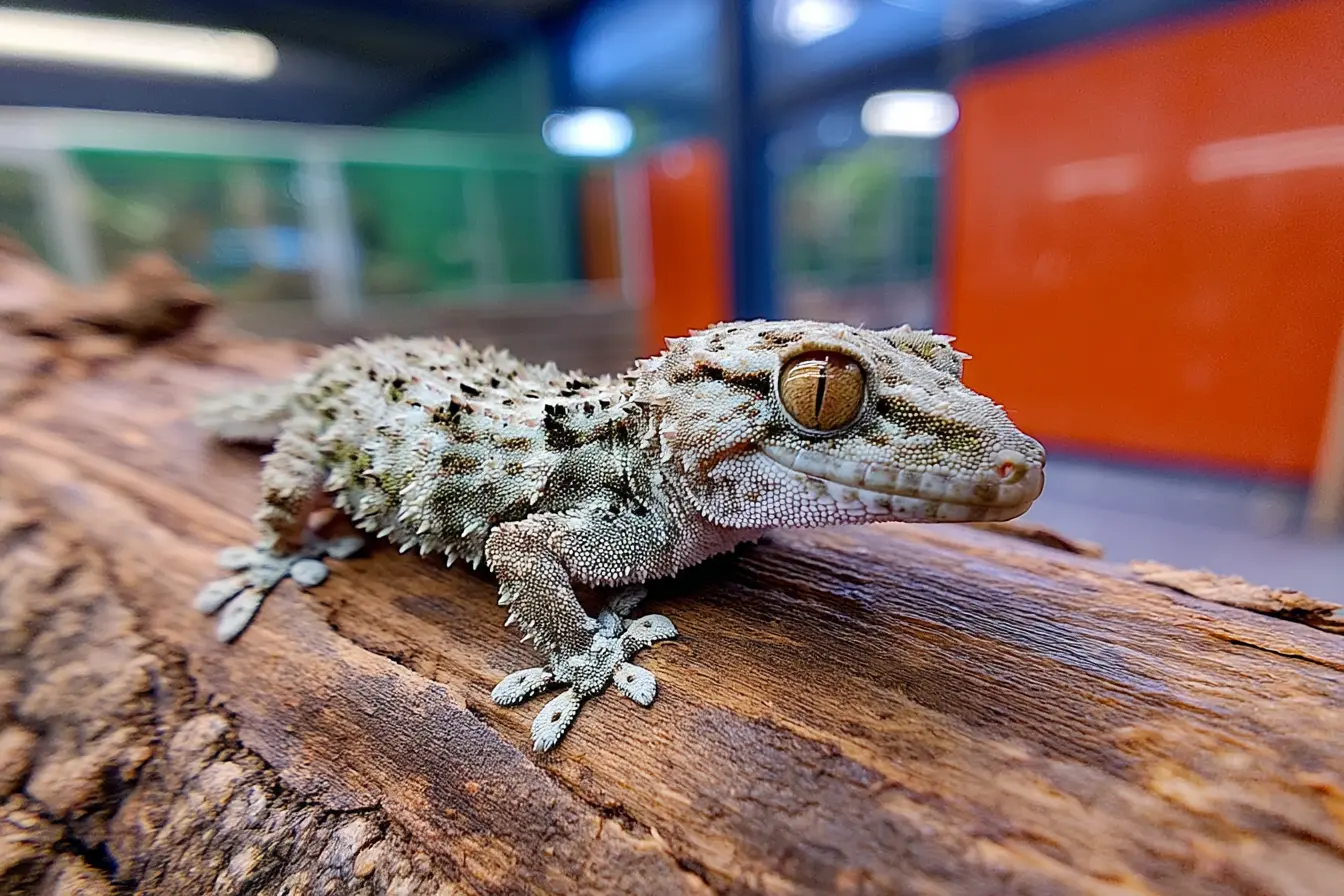
The Moorish gecko (Tarentola mauritanica) is a fascinating and hardy lizard species native to southern Europe, North Africa, and parts of the Middle East. Known for its rugged appearance, nocturnal lifestyle, and remarkable climbing abilities, this small but charismatic reptile has adapted beautifully to both wild and urban environments.
Whether scaling ancient stone walls or basking on sunlit rocks, the Moorish gecko is a resilient survivor. It has also become an increasingly popular species in captivity, where it thrives under proper care and provides endless fascination for reptile enthusiasts.
Origins and Natural Habitat
Moorish geckos are widespread across the Mediterranean region, from Portugal and Spain to Morocco, Italy, Greece, and beyond. They inhabit a variety of habitats including rocky hillsides, ruins, cliffs, and even city walls and buildings.
Their adaptability is one of their most defining features. In warm, arid climates, they seek shelter during the day under stones, bark, or cracks in walls, emerging at dusk to hunt. They thrive in areas where insects are abundant, and they play an important ecological role as natural pest controllers.
Appearance and Temperament
Physical Traits
Size: Adults typically reach 12–15 cm in total length, with some large males reaching up to 16 cm
Colouration: Usually grey, brown, or beige with darker mottling, but capable of subtle colour changes depending on temperature and lighting
Skin: Covered in small, rough tubercles giving it a textured, almost prehistoric appearance
Eyes: Large, golden eyes with vertical pupils, perfectly adapted for night vision
Toes: Equipped with adhesive pads that allow it to climb smooth vertical surfaces with ease
Behaviour and Temperament
Moorish geckos are nocturnal, emerging at dusk to hunt insects such as moths, flies, and crickets. They are highly agile climbers, often seen on walls near outdoor lights where insects gather.
In captivity, they are generally calm but not fond of frequent handling. They are best appreciated as display animals, thriving when given a habitat that encourages natural behaviours. Although small, they are robust and active, often seen climbing, exploring, or vocalising with quiet chirps and clicks.
Housing Requirements
The Moorish gecko is an adaptable and relatively easy species to keep, provided its enclosure reflects the warm, dry conditions of its natural Mediterranean habitat.
Enclosure Size
A single adult: 45 cm x 45 cm x 45 cm (minimum)
A pair or small group: 60 cm x 45 cm x 45 cm
Glass or PVC terrariums are ideal, as they allow good visibility and humidity control. Vertical space is essential, as these geckos are primarily climbers.
Heating and Temperature Gradient
Basking spot: 30–32°C
Ambient temperature: 25–28°C
Night-time: Can drop to around 20°C
Use a low-wattage heat lamp or ceramic heater controlled by a thermostat to maintain temperatures. Ensure the gecko can move between warm and cool zones to regulate its body temperature naturally.
Lighting and UVB
Moorish geckos are nocturnal, but they still benefit from low-level UVB lighting (2–5%). UVB exposure supports vitamin D3 production, calcium metabolism, and general health. A 12-hour light cycle is recommended to mimic natural conditions.
Provide areas of shade and cover to allow the gecko to avoid direct light during the day.
Humidity and Water
Maintain humidity around 50–60%, with a light evening misting to simulate dew and aid hydration. Avoid excessive humidity, which can lead to respiratory issues. A small water dish should always be available for drinking and should be cleaned daily.
Substrate and Furnishings
Substrate: A mix of sand and soil, fine reptile sand, or desert substrate mats
Decor: Provide plenty of vertical surfaces such as cork bark, rocks, driftwood, and climbing branches
Hides: Include at least two hides - one on the warm side and one on the cool side
Moorish geckos enjoy crevices and elevated perches, so include decor that allows for climbing and hiding. A naturalistic setup with rocks and plants not only looks attractive but encourages natural activity.
Diet and Feeding
Moorish geckos are insectivorous and require a diet rich in variety to stay healthy and active.
Feeding Schedule
Feed juveniles daily and adults every 2–3 days.
Food Items
Crickets
Small roaches
Mealworms (as an occasional treat)
Waxworms or fruit flies for variety
All insects should be gut-loaded (fed nutritious food before being offered) and dusted with calcium and vitamin supplements. Use calcium with D3 two to three times per week and a multivitamin once weekly.
Feeding Tips
Feed during the evening or at dusk when the gecko is naturally active. Offer prey one at a time to encourage hunting behaviour. Remove uneaten insects the next morning to keep the enclosure clean.
Handling and Interaction
While Moorish geckos can become accustomed to gentle human presence, they are not a hands-on pet. Handling can stress them and may cause tail loss if they feel threatened, as their tails can detach as a defence mechanism.
If handling is necessary, for enclosure maintenance or health checks, do so gently, using slow movements and allowing the gecko to walk onto your hand rather than being grabbed. Always handle them over a soft surface in case they jump or drop their tail.
Common Health Concerns
Shedding Problems
Low humidity can lead to incomplete sheds, especially around the toes. Provide a moist hide or mist lightly during shedding cycles.
Metabolic Bone Disease (MBD)
Caused by calcium or UVB deficiency. Ensure regular supplementation and proper lighting.
Respiratory Infections
Often the result of excess humidity or cool temperatures. Keep the enclosure dry and maintain the correct thermal gradient.
Parasites
Wild-caught individuals may carry internal or external parasites. Captive-bred geckos are generally healthier and adapt better to life in captivity.
Lifespan and Breeding
Moorish geckos are relatively long-lived for their size, with lifespans of 10–15 years in captivity under proper care.
Breeding is straightforward. During the warmer months, females lay 1–2 hard-shelled eggs every few weeks, usually in crevices or under rocks. Incubation at 28–30°C lasts around 45–60 days, after which the tiny hatchlings emerge ready to feed on small insects such as fruit flies or pinhead crickets.
Behaviour in the Wild and in Captivity
In their natural environment, Moorish geckos are often seen near human dwellings, taking advantage of artificial lights that attract insects. They are highly adaptable, surviving both in rural and urban settings.
In captivity, they remain active and alert, often coming out at dusk to explore. Their climbing ability and unique vocalisations make them a delight to observe, especially in a well-planted, bioactive terrarium.
Conclusion
The Moorish gecko is a remarkable little reptile that embodies resilience and adaptability. Its rugged charm, nocturnal habits, and climbing prowess make it an engaging species for reptile keepers who prefer observation over interaction.
With its modest size, straightforward care, and captivating behaviour, the Moorish gecko is an excellent choice for those seeking a hardy and active lizard that thrives in a naturalistic setup.
Whether clinging to the glass of its enclosure or darting across a rock to snatch a cricket, this Mediterranean gem never fails to impress. For keepers who value character and simplicity, the Moorish gecko is a small reptile with a truly big personality.
Quick questions
- What should I know about moorish gecko?
- The Moorish gecko is a hardy lizard from southern Europe, North Africa, and parts of the Middle East, popular for its rugged appearance and climbing skills. Vet Verified can help you compare UK veterinary practices by location, species, services and opening hours before you call.
- When should I contact a vet about moorish gecko?
- Contact a veterinary practice if your pet seems unwell, symptoms are getting worse, you are unsure what to do, or the situation may be urgent. Vet Verified helps you compare practice details, but a vet should advise on your pet's current care.
- Can Vet Verified help me find exotic vets?
- Yes. Use Vet Verified to compare exotic vets across the UK, then check practice profiles and call directly to confirm current availability.
Find a vet
Find a veterinary practice
Compare UK veterinary practices related to this topic. Call the practice to confirm its current services and availability.