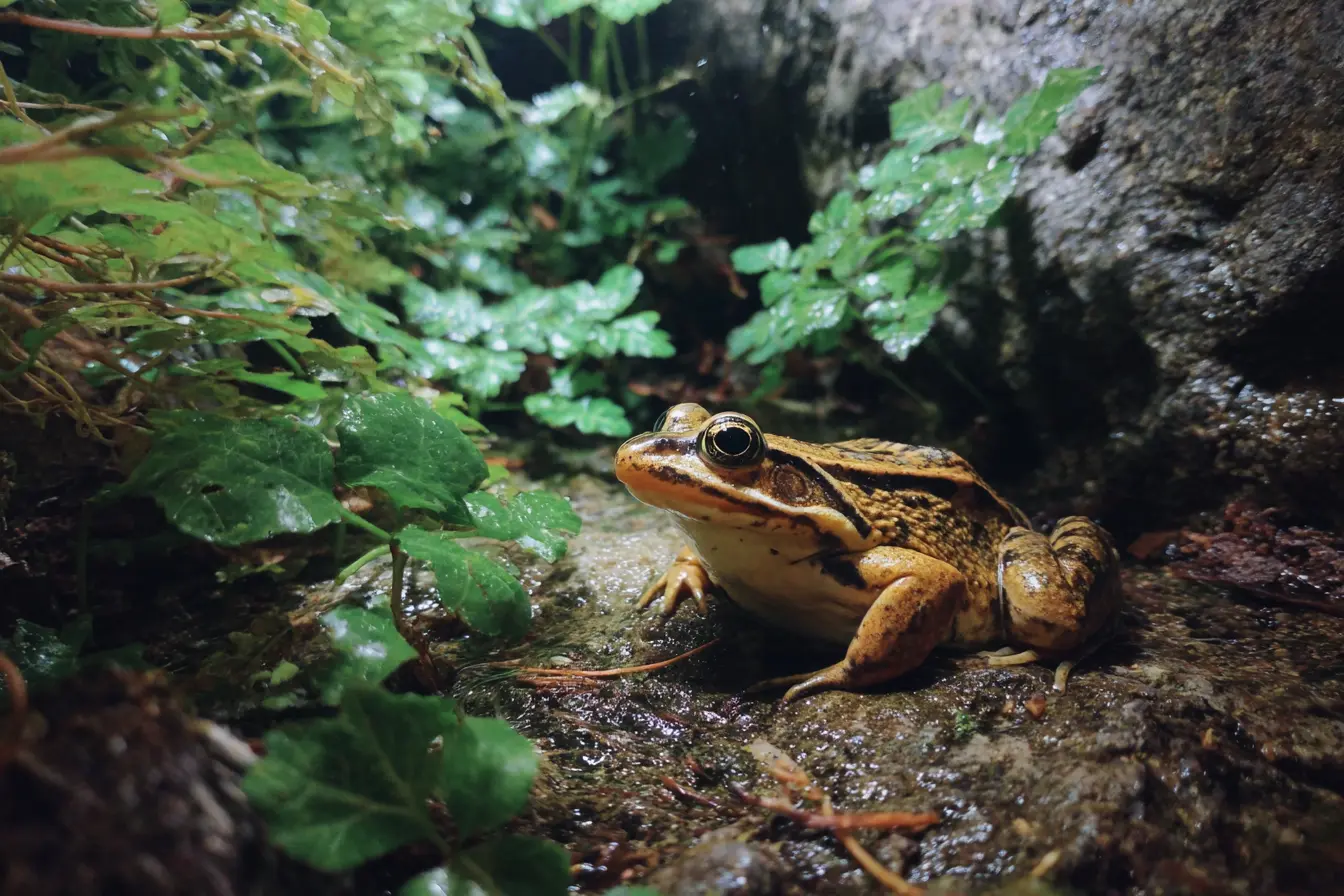
Successfully raising juvenile amphibians is one of the most rewarding aspects of amphibian keeping, but it comes with its own unique set of challenges. Juvenile amphibians have different needs compared to adults—they require carefully controlled environments, smaller food items, and more frequent care to ensure healthy growth and development.
This guide will walk you through everything you need to consider when setting up an enclosure for juvenile amphibians, from habitat design and temperature control to feeding practices and essential maintenance tips.
Understanding Juvenile Amphibian Needs
Why Juveniles Need Special Care
Juvenile amphibians are at a critical stage of development. Their small size, developing immune systems, and rapid growth require:
Higher humidity levels
More frequent feeding
Smaller, safer enclosure spaces to reduce stress
Extra attention to hygiene to prevent disease outbreaks
Understanding these basic needs is the first step toward raising healthy, thriving juveniles.
Choosing the Right Enclosure
Enclosure Size
Juveniles generally do better in smaller, more controlled enclosures compared to adults.
A small plastic terrarium, glass aquarium, or well-ventilated tub is ideal, with enough space to move but not so large that they struggle to find food.
For aquatic species, a shallow water setup is safer for small, fragile tadpoles or metamorphosed juveniles.
Ventilation and Security
Juvenile amphibians can be excellent escape artists due to their small size—ensure the enclosure is escape-proof.
Provide adequate ventilation to prevent mould and stale air, especially in high-humidity setups.
Setup by Type
Terrestrial juveniles: Use a moist substrate like coconut fibre or moss, with lots of hiding places made from cork bark, leaf litter, or small plants.
Aquatic juveniles: Offer clean, dechlorinated water with gentle filtration or frequent water changes. Shallow water is safer for weak swimmers.
Semi-aquatic juveniles: Include both a water section and a land area with easy access between the two.
Substrate Options
Safe, Simple Substrates
Paper towels: Ideal for very young or delicate juveniles, easy to clean and prevents impaction.
Coconut fibre or organic soil: Excellent for burrowing species, holds moisture well.
Sphagnum moss: Great for maintaining humidity and providing cover.
Avoid loose gravel or small stones which can cause impaction if swallowed.
Heating and Lighting
Temperature Control
Juveniles are sensitive to extremes—maintain stable temperatures appropriate for the species.
Use a low-wattage heat mat or ceramic heat emitter if necessary, regulated by a thermostat.
Example ranges:
Tropical species: 22–26°C (72–79°F)
Temperate species: 18–22°C (64–72°F)
Lighting
Most juvenile amphibians do not require UVB lighting but benefit from a natural day-night cycle.
Low-level LED lighting is suitable, especially in enclosures with live plants.
Humidity and Hydration
Keeping Humidity High
Juveniles dehydrate quickly; maintain high humidity by misting regularly.
Use hygrometers to monitor levels, aiming for:
Tropical species: 70–90%
Temperate species: 60–80%
Water Quality
Provide fresh, dechlorinated water at all times.
For aquatic species, regular partial water changes are critical to prevent buildup of waste.
Feeding Juvenile Amphibians
Feeding Frequency
Juveniles eat more frequently than adults due to rapid growth.
Terrestrial juveniles: Feed daily or every other day with appropriately sized live foods.
Aquatic larvae: Feed daily with fine, easily digestible foods like micro-worms or powdered flakes.
Food Choices
Tiny invertebrates: Flightless fruit flies, pinhead crickets, springtails, isopods, or chopped worms.
Aquatic foods: Daphnia, baby brine shrimp, finely crushed pellets, or tadpole-specific diets.
Gut-load all insects to maximise nutritional value.
Supplementation
Calcium powder should be used 2–3 times per week, with a multivitamin every 1–2 weeks to prevent deficiencies.
Essential Enclosure Features
Hides and Cover
Juvenile amphibians feel more secure with ample hiding places.
Use small hides, leaf litter, and plants to provide shelter and reduce stress.
Shallow Water Access
For terrestrial and semi-aquatic juveniles, provide shallow water dishes that allow easy entry and exit to avoid drowning.
Cleaning and Maintenance
Clean frequently to prevent waste build-up and disease outbreaks.
For terrestrial setups: spot clean daily and do a full clean weekly.
For aquatic setups: partial water changes 2–3 times per week are ideal.
Common Mistakes to Avoid
Overcrowding: Too many juveniles in one space can lead to competition, stress, and cannibalism.
Improper prey size: Food that’s too large can cause choking or impaction.
Poor hygiene: Juveniles are especially vulnerable to infections caused by dirty enclosures.
Incorrect humidity or temperature: Can cause dehydration, stress, and slow growth.
Skipping supplements: Leads to calcium deficiencies and poor development.
Conclusion
Setting up a healthy environment for juvenile amphibians requires attention to detail, but the rewards of watching them grow and thrive are well worth the effort. With proper humidity, temperature, a secure and hygienic enclosure, and a nutritious diet, your juveniles will transition into healthy, vibrant adults.
By tailoring their habitat to their unique life stage, you can give juvenile amphibians the best possible start in life, ensuring they grow strong, healthy, and stress-free in your care.
Quick questions
- What should I know about juvenile amphibians care?
- Learn how to care for juvenile amphibians with our guide. Juvenile amphibians need smaller, controlled enclosures, higher humidity, and frequent feeding. Vet Verified can help you compare UK veterinary practices by location, species, services and opening hours before you call.
- When should I contact a vet about juvenile amphibians care?
- Contact a veterinary practice if your pet seems unwell, symptoms are getting worse, you are unsure what to do, or the situation may be urgent. Vet Verified helps you compare practice details, but a vet should advise on your pet's current care.
- Can Vet Verified help me find exotic vets?
- Yes. Use Vet Verified to compare exotic vets across the UK, then check practice profiles and call directly to confirm current availability.
Find a vet
Find a veterinary practice
Compare UK veterinary practices related to this topic. Call the practice to confirm its current services and availability.