Amphibians are a fascinating and diverse group of animals that can make rewarding pets for those willing to meet their specific care requirements. From the iconic dart frogs to the serene axolotls, amphibians offer a variety of choices for prospective pet owners in the UK. This blog post will guide you through your options and what you need to consider before bringing an amphibian into your home.
Popular Amphibian Pets
Frogs
Dart Frogs (Dendrobatidae): Known for their brilliant colors and active daytime behaviours, these frogs are a popular choice. They require a humid environment and a diet of small insects like fruit flies.
Tree Frogs (Hylidae): These arboreal frogs are appreciated for their climbing abilities and vocalisations. They need vertical space in their enclosures to mimic their natural habitat.
Salamanders and Newts
Axolotls (Ambystoma mexicanum): Fully aquatic salamanders that are quite popular due to their unique appearance and regenerative abilities. They require a cool, well-filtered aquarium without strong currents.
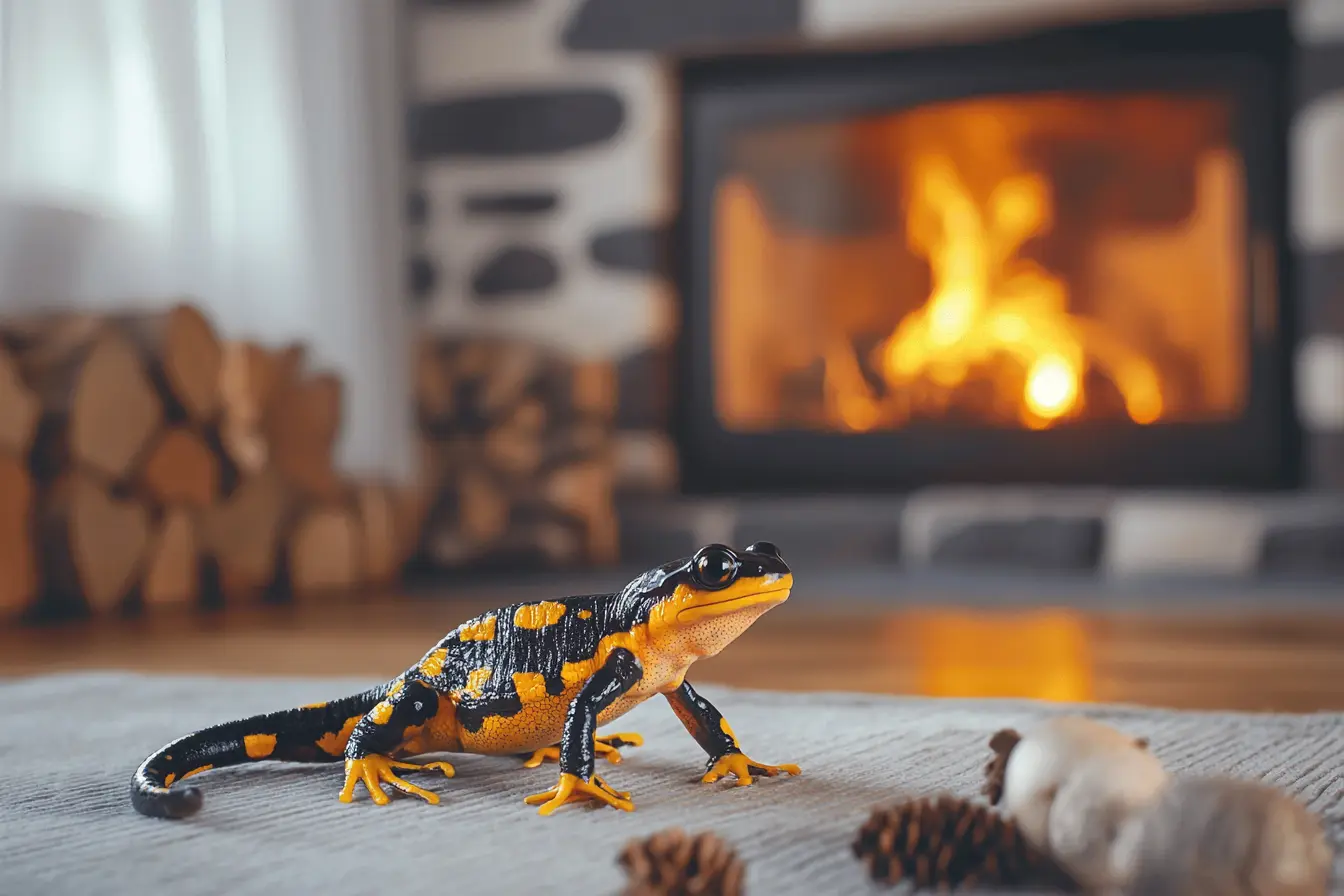
Fire Salamanders (Salamandra salamandra): Terrestrial salamanders that are known for their striking black and yellow markings. They thrive in a moist, well-planted terrarium.
Toads
African Bullfrogs (Pyxicephalus adspersus): Known for their large size and voracious appetite, these toads are better suited for more experienced owners due to their care requirements and potential aggression.
Considerations Before Choosing an Amphibian
Environment and Housing
Enclosure: Amphibians generally require a vivarium with both land and water areas to simulate their natural environment. The size and complexity of the vivarium depend on the species.
Temperature and Humidity: Most amphibians need specific temperature and humidity levels, which must be monitored and maintained consistently to keep your pet healthy.
Diet and Nutrition
Feeding: Amphibians typically eat a diet of insects and worms. Some larger species may require feeder fish or small mammals. It’s important to provide a varied diet enriched with appropriate vitamins and minerals to prevent nutritional deficiencies.
Health Care
Veterinary Care: Amphibians are susceptible to various health issues, including fungal infections and metabolic bone disease. Regular check-ups with a vet experienced in exotic pets are crucial.
Hygiene: Proper sanitation in the enclosure is vital to prevent the buildup of harmful bacteria and fungi.
Legal and Ethical Considerations
Protected Species: Ensure that the species you are interested in is not protected under UK or international laws. Some species may require a license or may be illegal to keep as pets.
Sourcing: Always acquire amphibians from reputable breeders or dealers to avoid contributing to the decline of wild populations.
The Long-term Commitment
Lifespan: Many amphibians have long lifespans, with some species living up to 20 years or more under human care. Consider whether you can commit to the long-term care of your pet.
Conclusion
Amphibians can make excellent pets, but they require a level of care that may be more demanding than more common pets like dogs or cats. Their environmental needs must be precisely controlled, and they can be more sensitive to changes in their care than other types of pets. If you are prepared to invest the time and resources needed to create a suitable home for an amphibian, and are committed to maintaining it, you will be rewarded with a truly unique pet-keeping experience.
Quick questions
- What should I know about amphibians?
- Amphibians, such as dart frogs and axolotls, offer unique pet options for those in the UK who can cater to their distinct care needs. Vet Verified can help you compare UK veterinary practices by location, species, services and opening hours before you call.
- When should I contact a vet about amphibians?
- Contact a veterinary practice if your pet seems unwell, symptoms are getting worse, you are unsure what to do, or the situation may be urgent. Vet Verified helps you compare practice details, but a vet should advise on your pet's current care.
- Can Vet Verified help me find dog vets?
- Yes. Use Vet Verified to compare dog vets across the UK, then check practice profiles and call directly to confirm current availability.
Find a vet
Find a veterinary practice
Compare UK veterinary practices related to this topic. Call the practice to confirm its current services and availability.
Search by species
- Dog vets Find UK veterinary practices that list care for dogs. Compare opening hours, services, facilities and verified profiles, then contact a practice directly.
- Cat vets Find UK veterinary practices that list care for cats. Compare opening hours, services, facilities and verified profiles, then contact a practice directly.
- Exotic vets Find UK veterinary practices that list care for exotic pets. Compare opening hours, services, facilities and verified profiles, then contact a practice directly.